

Minimalism has long been presented as the virtuous path in interior design: clean lines, less clutter, mindful living, and a promise of simplicity in an overstimulated world. It’s not surprising that many view it as the more ethical design choice, encouraging thoughtful consumption and a calmer, more intentional home.
But does minimalism always deliver on this moral reputation, or has the narrative become more complicated than it initially seemed?
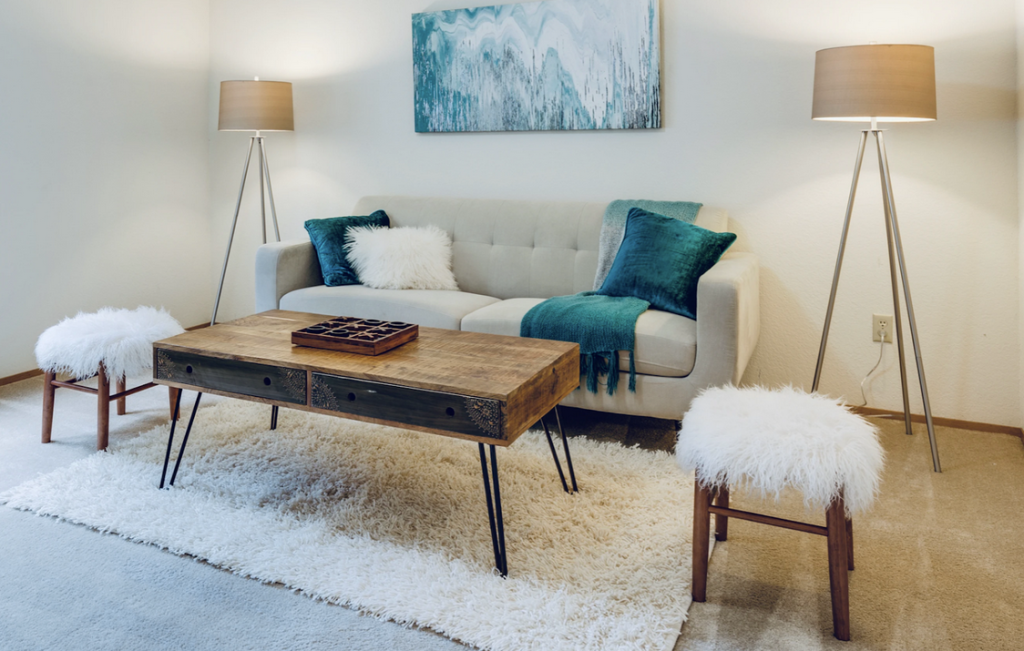
Where Does This Ethical Reputation Come From?
Minimalism is built on the idea of stripping away excess in favour of clarity, function, and serenity. It emerged in the mid-20th century as an art and design movement pushing back against visual overload, and today’s interiors echo that same restraint. For many, this makes minimalism feel inherently responsible: fewer possessions, fewer impulse purchases, fewer resources consumed.
There’s also a psychological side to its appeal. A pared-back space can reduce visual noise, helping some people feel more focused or relaxed. It’s no wonder the style is often tied to wellbeing and mindful living, especially in urban environments where overstimulation is the norm.
Where Minimalism Becomes Morally Complicated
Despite its reputation, minimalism isn’t automatically the most ethical choice. The aesthetic can become quite resource-intensive when applied in a highly curated, design-led way. Many “minimalist” interiors rely on expensive materials, high-end craftsmanship and the repeated replacement of items to maintain that crisp, untouched look.
A room with light parquet flooring, smooth plaster walls, and a single sculptural chair might look serene, but achieving this effect often requires meticulous, and sometimes costly, renovation work. When minimalism becomes about perfection rather than intention, it risks drifting away from its sustainable roots.
There’s also a social dimension to consider. Minimalism can unintentionally glamorise a lifestyle that requires privilege: the space to store out-of-sight belongings, the budget to invest in quality goods, and the time to maintain a pristine home. Ethical living is as much about accessibility as it is about aesthetics.
Consumer Minimalism vs. Intentional Minimalism
A useful distinction lies between defining “consumer minimalism” and “intentional minimalism”.
Consumer minimalism focuses on the look and achieving a calming, curated interior with fresh paint, new built-ins, and perfectly streamlined furniture. The space may feature natural textures, warm oak floors and crisp linen upholstery, but the process of getting there can involve significant consumption.
Intentional minimalism, on the other hand, cares less about appearance and more about purpose. It encourages living with what adds value, repairing rather than replacing, and investing in versatile, long-lasting pieces. A room built on this principle might mix inherited furniture with simple shelving and a neutral rug over built-to-last luxury vinyl tiles.
How to Make Minimalism More Meaningful
Minimalism becomes genuinely ethical when rooted in mindfulness rather than aesthetics alone. A few thoughtful approaches are all you need to make a big difference in creating an ethical, minimalist home.
Use What’s Already There: Before stripping everything back, consider what can be refreshed rather than removed. Sometimes a change in layout or lighting is enough to restore clarity to a space without replacing flooring, cabinetry, or furniture.
Invest in Longevity: When purchasing new pieces, durability matters more than trends. Solid wood tables, natural-fibre textiles and well-made storage options age gracefully and reduce long-term waste.
Embrace Imperfection: A home doesn’t need to resemble a showroom to feel calm. A slightly worn armchair, a gently faded parquet floor or a shelf of well-loved books can contribute character without compromising simplicity.
Avoid Decluttering for the Sake of It: Ethical design isn’t about emptying cupboards only to refill them months later. Mindful editing, keeping what serves a purpose or sparks comfort, maintains authenticity.
Is Minimalism Worthwhile?
Minimalism has real strengths: it encourages thoughtful consumption, supports a sense of calm, and helps many people reconnect with what matters in their environment. But it isn’t inherently more ethical than other design approaches. A maximalist home filled with vintage finds and reclaimed furniture can be far more responsible than a minimalist interior built on constant upgrading.
Ultimately, the morality of minimalism depends on the intention behind it. A home shaped by conscious choices, whether spare and serene or colourful and layered, will always feel more meaningful than one shaped by trends alone.

Monica Costa founded London Mums in September 2006 after her son Diego’s birth together with a group of mothers who felt the need of meeting up regularly to share the challenges and joys of motherhood in metropolitan and multicultural London. London Mums is the FREE and independent peer support group for mums and mumpreneurs based in London https://www.londonmumsmagazine.com and you can connect on Twitter @londonmums
