

Travel

Canada’s Francophone and Anglophone Legacy: Urban Landscapes and Cultural Hubs

Image credit: unsplash https://unsplash.com/photos/aerial-photography-of-toronto-canada-lZbRV_a4Yxg?utm_source=unsplash&utm_medium=referral&utm_content=creditShareLink

Canada’s cities rarely declare their histories outright. They carry them quietly, embedded in sound, spacing, and routine. Language shifts without announcement. Streets widen or narrow without explanation. What feels cultural at first eventually settles into habit, noticed only when it changes.

Moving between Montreal, Quebec City, and Toronto is less about crossing boundaries than adjusting pace. Attention drifts. Behaviour shifts. The cities do not ask to be compared. They ask to be occupied.
Canada’s cities rarely declare their histories outright. They carry them quietly, embedded in sound, spacing, and routine. Language shifts without announcement. Streets widen or narrow without explanation. What feels cultural at first eventually settles into habit, noticed only when it changes. Moving between Montreal, Quebec City, and Toronto is less about crossing boundaries than adjusting pace. Attention drifts. Behaviour shifts. The cities do not ask to be compared. They ask to be occupied. https://unsplash.com/photos/view-of-a-modern-city-skyline-with-lush-trees-PjyfjC0XnhU?utm_source=unsplash&utm_medium=referral&utm_content=creditShareLink Montreal, Encountered Slowly Montreal does not present a single surface. Streets change character without warning. Conversations overlap. Old stone and newer structures sit close together, neither asserting priority. In Montreal, public life feels close to the street. People linger without planning to. Music appears briefly, then fades. Language moves fluidly through daily routines without being framed as identity. The city feels comfortable with ambiguity. Space That Encourages Pause Sidewalks widen unexpectedly. Parks interrupt neighbourhoods without hierarchy. You stop because stopping fits the space, not because anything has asked you to. These pauses feel unremarkable. They repeat often enough that they stop feeling intentional. Culture here blends into routine, visible only when you slow down enough to notice it. Nothing feels staged. Eastward Without Leaving the Tone Behind Leaving the city does not feel decisive. The Montreal to Quebec train carries the same atmosphere forward, smoothing distance rather than breaking it. Outside, density softens. Inside, conversation stays low. Arrival does not announce a new beginning. The transition feels absorbed rather than marked. Quebec City and Defined Edges Quebec City feels held together more tightly. Streets gather. Buildings cluster. Movement feels guided without being directed. In Quebec City, public space does not sprawl. It frames. You notice how often routes fold back on themselves, how elevation changes alter pace. The city feels deliberate, but not rigid. Language as Background Texture Here, language is not highlighted. It fills space naturally — on signs, in passing conversation, in the cadence of daily exchange. You don’t need to follow every word to sense orientation. Tone carries meaning. Silence carries its own rhythm. Understanding arrives indirectly. Distance That Alters Posture The shift westward happens gradually. Space opens. Streets widen. Movement becomes more linear. Taking the Toronto to Montreal trains feels like easing into a different civic rhythm rather than crossing a cultural line. You adjust posture before you adjust expectation. Speed increases subtly. Structure becomes more visible. Toronto and Continuous Motion In Toronto, the city rarely pauses. Streets extend. Neighbourhoods unfold outward. Movement feels directional. Public space supports flow more than gathering. You pass through rather than linger. Culture appears in designated moments rather than overlapping with routine. The city feels confident in motion. https://unsplash.com/photos/aerial-photography-of-toronto-canada-lZbRV_a4Yxg?utm_source=unsplash&utm_medium=referral&utm_content=creditShareLink Organisation Without Intimacy Toronto’s cultural centres feel clear and defined. You know where to go. You know what will happen there. Participation feels intentional. This clarity creates efficiency. It also creates distance. You enter spaces prepared, then leave them just as deliberately. Culture feels contained rather than diffuse. Similar Functions, Different Temperatures Despite their differences, these cities perform similar work. They gather people. They host exchange. They organise daily movement. What shifts is temperature. Some spaces invite pause. Others prioritise flow. Neither approach dominates. Both persist. The contrast lives quietly in habit. Learning Without Being Told Understanding these cities does not come from explanation. It comes from repetition. Walking the same route twice. Hearing the same street at different hours. Noticing where people stop and where they don’t. The cities teach through use. No one instructs you. Urban Memory That Accumulates Slowly Over time, impressions layer. Stone versus glass. Narrow routes versus open grids. Overlap versus separation. These differences are not symbolic. They are functional, shaped by long use rather than intention. History remains present because it continues to operate. What Lingers Without Resolution Later, what stays with you is not a list of distinctions. It is a shift in awareness — how language altered atmosphere, how space shaped behaviour, how movement adjusted without instruction. Canada’s urban legacies do not compete. They coexist, shaping cities that feel distinct without needing to define themselves against one another. The contrast remains gentle, experienced not as division, but as variation that continues quietly, whether or not you are paying attention.
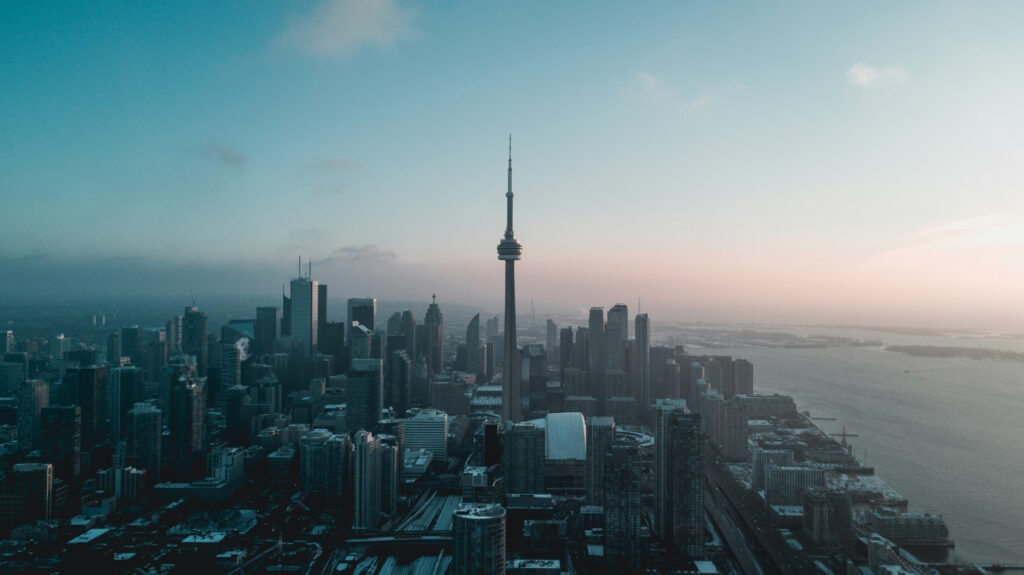

Image credit: unsplash

Montreal, Encountered Slowly

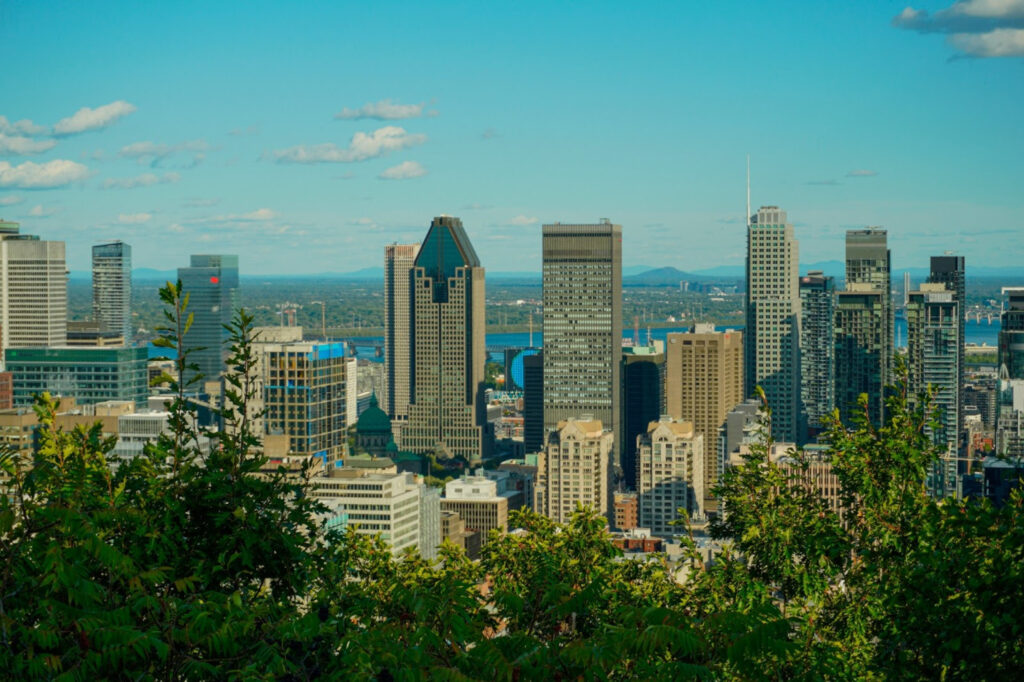
Montreal does not present a single surface. Streets change character without warning. Conversations overlap. Old stone and newer structures sit close together, neither asserting priority.

In Montreal, public life feels close to the street. People linger without planning to. Music appears briefly, then fades. Language moves fluidly through daily routines without being framed as identity.

The city feels comfortable with ambiguity.


Space That Encourages Pause

Sidewalks widen unexpectedly. Parks interrupt neighbourhoods without hierarchy. You stop because stopping fits the space, not because anything has asked you to.

These pauses feel unremarkable. They repeat often enough that they stop feeling intentional. Culture here blends into routine, visible only when you slow down enough to notice it.

Nothing feels staged.


Eastward Without Leaving the Tone Behind

Leaving the city does not feel decisive. The Montreal to Quebec train carries the same atmosphere forward, smoothing distance rather than breaking it.

Outside, density softens. Inside, conversation stays low. Arrival does not announce a new beginning.

The transition feels absorbed rather than marked.


Quebec City and Defined Edges

Quebec City feels held together more tightly. Streets gather. Buildings cluster. Movement feels guided without being directed.

In Quebec City, public space does not sprawl. It frames. You notice how often routes fold back on themselves, how elevation changes alter pace.

The city feels deliberate, but not rigid.


Language as Background Texture

Here, language is not highlighted. It fills space naturally – on signs, in passing conversation, in the cadence of daily exchange.

You don’t need to follow every word to sense orientation. Tone carries meaning. Silence carries its own rhythm.

Understanding arrives indirectly.


Distance That Alters Posture

The shift westward happens gradually. Space opens. Streets widen. Movement becomes more linear.

Taking the Toronto to Montreal trains feels like easing into a different civic rhythm rather than crossing a cultural line. You adjust posture before you adjust expectation.

Speed increases subtly. Structure becomes more visible.


Toronto and Continuous Motion

In Toronto, the city rarely pauses. Streets extend. Neighbourhoods unfold outward. Movement feels directional.

Public space supports flow more than gathering. You pass through rather than linger. Culture appears in designated moments rather than overlapping with routine.

The city feels confident in motion.

Canada’s cities rarely declare their histories outright. They carry them quietly, embedded in sound, spacing, and routine. Language shifts without announcement. Streets widen or narrow without explanation. What feels cultural at first eventually settles into habit, noticed only when it changes. Moving between Montreal, Quebec City, and Toronto is less about crossing boundaries than adjusting pace. Attention drifts. Behaviour shifts. The cities do not ask to be compared. They ask to be occupied. https://unsplash.com/photos/view-of-a-modern-city-skyline-with-lush-trees-PjyfjC0XnhU?utm_source=unsplash&utm_medium=referral&utm_content=creditShareLink Montreal, Encountered Slowly Montreal does not present a single surface. Streets change character without warning. Conversations overlap. Old stone and newer structures sit close together, neither asserting priority. In Montreal, public life feels close to the street. People linger without planning to. Music appears briefly, then fades. Language moves fluidly through daily routines without being framed as identity. The city feels comfortable with ambiguity. Space That Encourages Pause Sidewalks widen unexpectedly. Parks interrupt neighbourhoods without hierarchy. You stop because stopping fits the space, not because anything has asked you to. These pauses feel unremarkable. They repeat often enough that they stop feeling intentional. Culture here blends into routine, visible only when you slow down enough to notice it. Nothing feels staged. Eastward Without Leaving the Tone Behind Leaving the city does not feel decisive. The Montreal to Quebec train carries the same atmosphere forward, smoothing distance rather than breaking it. Outside, density softens. Inside, conversation stays low. Arrival does not announce a new beginning. The transition feels absorbed rather than marked. Quebec City and Defined Edges Quebec City feels held together more tightly. Streets gather. Buildings cluster. Movement feels guided without being directed. In Quebec City, public space does not sprawl. It frames. You notice how often routes fold back on themselves, how elevation changes alter pace. The city feels deliberate, but not rigid. Language as Background Texture Here, language is not highlighted. It fills space naturally — on signs, in passing conversation, in the cadence of daily exchange. You don’t need to follow every word to sense orientation. Tone carries meaning. Silence carries its own rhythm. Understanding arrives indirectly. Distance That Alters Posture The shift westward happens gradually. Space opens. Streets widen. Movement becomes more linear. Taking the Toronto to Montreal trains feels like easing into a different civic rhythm rather than crossing a cultural line. You adjust posture before you adjust expectation. Speed increases subtly. Structure becomes more visible. Toronto and Continuous Motion In Toronto, the city rarely pauses. Streets extend. Neighbourhoods unfold outward. Movement feels directional. Public space supports flow more than gathering. You pass through rather than linger. Culture appears in designated moments rather than overlapping with routine. The city feels confident in motion. https://unsplash.com/photos/aerial-photography-of-toronto-canada-lZbRV_a4Yxg?utm_source=unsplash&utm_medium=referral&utm_content=creditShareLink Organisation Without Intimacy Toronto’s cultural centres feel clear and defined. You know where to go. You know what will happen there. Participation feels intentional. This clarity creates efficiency. It also creates distance. You enter spaces prepared, then leave them just as deliberately. Culture feels contained rather than diffuse. Similar Functions, Different Temperatures Despite their differences, these cities perform similar work. They gather people. They host exchange. They organise daily movement. What shifts is temperature. Some spaces invite pause. Others prioritise flow. Neither approach dominates. Both persist. The contrast lives quietly in habit. Learning Without Being Told Understanding these cities does not come from explanation. It comes from repetition. Walking the same route twice. Hearing the same street at different hours. Noticing where people stop and where they don’t. The cities teach through use. No one instructs you. Urban Memory That Accumulates Slowly Over time, impressions layer. Stone versus glass. Narrow routes versus open grids. Overlap versus separation. These differences are not symbolic. They are functional, shaped by long use rather than intention. History remains present because it continues to operate. What Lingers Without Resolution Later, what stays with you is not a list of distinctions. It is a shift in awareness — how language altered atmosphere, how space shaped behaviour, how movement adjusted without instruction. Canada’s urban legacies do not compete. They coexist, shaping cities that feel distinct without needing to define themselves against one another. The contrast remains gentle, experienced not as division, but as variation that continues quietly, whether or not you are paying attention.
Image credit: unsplash

Organisation Without Intimacy

Toronto’s cultural centres feel clear and defined. You know where to go. You know what will happen there. Participation feels intentional.

This clarity creates efficiency. It also creates distance. You enter spaces prepared, then leave them just as deliberately.

Culture feels contained rather than diffuse.


Similar Functions, Different Temperatures

Despite their differences, these cities perform similar work. They gather people. They host exchange. They organise daily movement.

What shifts is temperature. Some spaces invite pause. Others prioritise flow. Neither approach dominates. Both persist.

The contrast lives quietly in habit.


Learning Without Being Told

Understanding these cities does not come from explanation. It comes from repetition. Walking the same route twice. Hearing the same street at different hours. Noticing where people stop and where they don’t.

The cities teach through use.

No one instructs you.


Urban Memory That Accumulates Slowly

Over time, impressions layer. Stone versus glass. Narrow routes versus open grids. Overlap versus separation.

These differences are not symbolic. They are functional, shaped by long use rather than intention.

History remains present because it continues to operate.


What Lingers Without Resolution

Later, what stays with you is not a list of distinctions. It is a shift in awareness – how language altered atmosphere, how space shaped behaviour, how movement adjusted without instruction.

Canada’s urban legacies do not compete. They coexist, shaping cities that feel distinct without needing to define themselves against one another.

The contrast remains gentle, experienced not as division, but as variation that continues quietly, whether or not you are paying attention.