

Ah, freedom. The word we print on tote bags, chant at rallies, sprinkle across Instagram like Parmigiano on pasta. We live in the age that claims to worship it more than any other… and yet, if you listen closely, something feels off. Like a slightly sour note in an otherwise well-rehearsed choir. No, we’re not living under tyrants twirling moustaches and banning books at dawn. Our century prefers a more refined tyranny – scented, even. It doesn’t forbid; it suggests. It doesn’t punish; it reassures. It doesn’t roar; it whispers: “Don’t worry. We’ll make life easier for you. Just follow the script.”
And before you know it, you’re knee-deep in what I call in Italian conformismo col sorriso – the polite, perfumed pressure to stay tidy, predictable, unproblematic. A kind of moral chamomile tea.
The soft censorship nobody admits exists
This isn’t the censorship of oppressive regimes. This is the censorship of politeness, algorithms, and the collective terror of sticking out like a crooked daisy in a perfectly trimmed English lawn.
It shows up everywhere:
– in the words we don’t use,
– the questions we don’t ask,
– the risks we don’t take
because someone, somewhere, might raise an eyebrow.
As Milan Kundera once wrote, “Life is elsewhere.” Well, nowadays, life is outside the comfort zone, and yet half of society seems to have pitched a glamping tent right inside it.
We’ve become so allergic to mistakes that we treat them like gluten – tragic, inconvenient, and best avoided at all costs.
But here’s the inconvenient truth
Freedom isn’t comfort. Freedom is friction.
It’s doubt. It’s conflict. It’s getting things gloriously, messily wrong and starting again with a better question.
Creativity doesn’t grow in padded rooms. Authenticity doesn’t flourish in echo chambers. And critical thinking certainly doesn’t bloom when every opinion needs a “trigger warning” longer than the opinion itself.
We talk endlessly about empowering young people – then panic the moment they fall, fail, flounder, or discover something not on the lesson plan.
It’s no wonder so many teens are exhausted: the world expects them to be exceptional, serene, well-adjusted, eco-friendly, socially conscious, digitally literate, emotionally intelligent and eternally cheerful.
Enough.
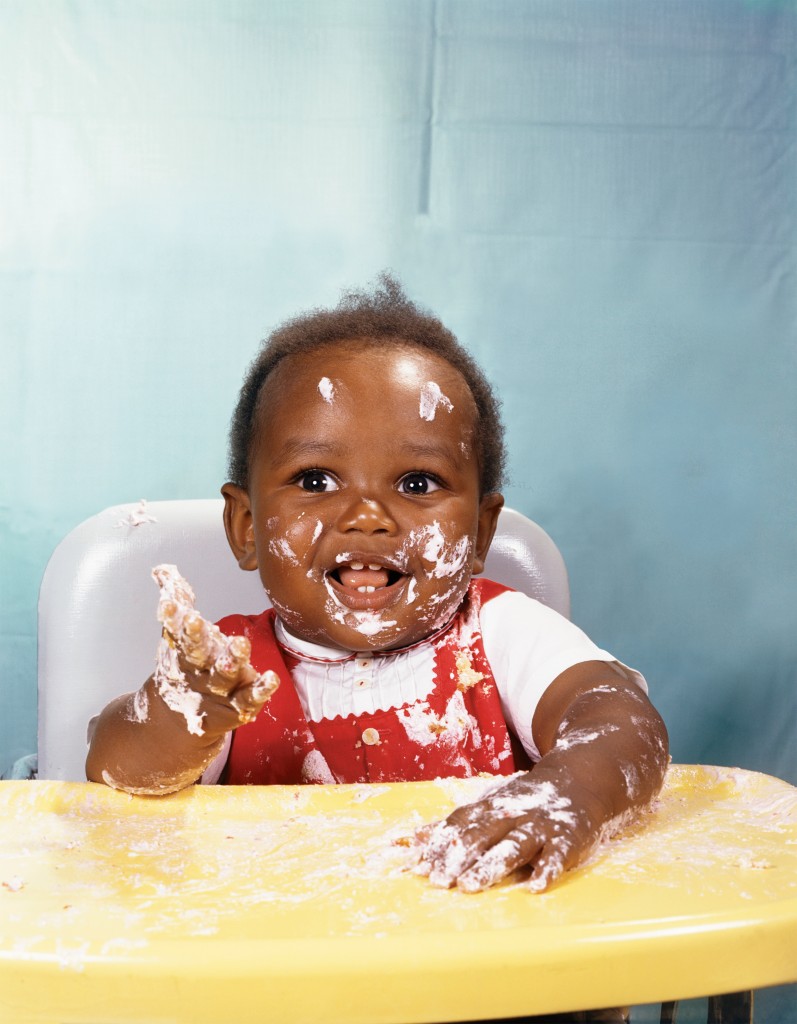
A childhood without mistakes is like a novel without plot twists – unbearably dull and unbearably misleading.
Let them err – It’s practically a curriculum
Socrates annoyed an entire city simply by asking questions.
Woolf scandalised London by writing as she pleased.
Mary Shelley invented a monster during a thunderstorm and changed literature forever.
Imagine if any of them had worried about being “too disruptive”. We’d have nothing but beige wallpaper and inspirational quotes.
My own grandmother (a woman capable of telling off a bishop before dessert) once said to me: “If you’ve never embarrassed yourself in public, then you’ve never truly lived – or laughed properly. So spill the soup, trip on the stairs, sing off-key at the concert – whatever it is, own it, darling. That’s how you learn to be unforgettable.”
We live in a time that worships freedom like it’s a designer label on sale – posted in bold type across Instagram bios and inspirational quotes – but the irony is almost delicious. For all our declarations of independence, a whispering conformity sneaks into our lives, not as a gavel or a warning, but as a gentle suggestion: “Better stay safe. Better blend in.” It is subtle, seductive, and cruel in the most polite way.
Consider the everyday choices we don’t make. The daring haircut you’ve been itching to try? The novel you never dared submit? The opinion you swallowed to keep the peace at the PTA meeting? All casualties of a polite, invisible tyranny that prizes comfort over courage. We’ve traded the exhilarating mess of imagination for a curated, colour-coded existence.
I was reminded of this recently while re-reading Virginia Woolf – yes, the woman who could make a single afternoon in Bloomsbury feel like a revolution. Woolf understood that thought itself is a rebellion, that daring to wander mentally into the uncharted, however perilous, is a declaration of independence. And yet, how many of us are actually practising this daily?
When did the audacity to question become a risk too great to take?
The danger is particularly acute for our children, those little conspirators in the making. How often do we, with the best intentions, herd them into neat boxes of expected success? A-levels, trophies, praise for being “good” rather than “bold.” In this climate, failure is not an option – yet failure is the very crucible of genius. Remind yourself of Edison’s thousands of attempts or J.K. Rowling’s manuscript rejections. The discomfort, the mistakes, the ignoble flops: they are the scaffolding of brilliance.
So, what is a modern parent to do? Encourage questioning. Celebrate mistakes. Insist on imagination as a non-negotiable. This isn’t about cultivating chaos; it’s about preserving the electric spark that makes life, and human thought, deliciously unpredictable. We must resist the slow, smiling oppression of the comfort zone. We must teach our children, and ourselves, that liberty is not a banner to hang on a wall – it’s a muscle to flex daily.
And yes, sometimes it is terrifying. You might offend, fail, or look foolish. But these bruises are badges of honour. They are the proof that you have lived in a space that is uncomfortable, exhilarating, and utterly alive. Because the truth is, conformity may be easy, but it is not free. Freedom demands rebellion. Freedom demands imagination. Freedom demands courage.
So, dear reader, I issue this manifesto with the gentlest of nudges and the cheekiest of winks: resist the velvet chains. Question the well-meaning diktats. Encourage your children – and yourself – to stumble gloriously. Read, argue, wonder. Fail, laugh, and fail again. Because, in the end, a life fully lived is messy, irreverent, and fiercely individual – and that, in today’s world, is the ultimate act of defiance.

Lady Rantingham: The unconventional Voice with a bit of sass
Meet Lady Rantingham, a witty and rebellious spirit who brings a fresh twist to the “Rant” theme. While her name might evoke a touch of aristocracy, she’s anything but conventional. With a playful, humorous tone and a slight air of authority, Lady Runtingham is here to run riot on just about anything – especially the things that bother her.
Whether it’s the little annoyances of everyday life or the larger absurdities of the world around her, Lady Runtingham isn’t afraid to call out what grinds her gears. Her rants are filled with sharp wit, unfiltered thoughts, and an unapologetic perspective that blends rebellion with a dash of humour.
Her commentary goes beyond just mockery; she touches on everything from societal quirks to the frustrating intricacies of modern life, all while maintaining a sense of lighthearted authority. Lady Runtingham isn’t just runting about the monarchy — she’s ranting about anything that makes her roll her eyes.
