

Storage is rarely something families set out to organise for its own sake. It usually appears when something else is already in motion. A move takes longer than planned. A renovation spreads into more rooms than expected. A home that once felt manageable starts to feel tight. In a city where space is limited and timing often slips, storage becomes a practical necessity rather than a lifestyle choice.
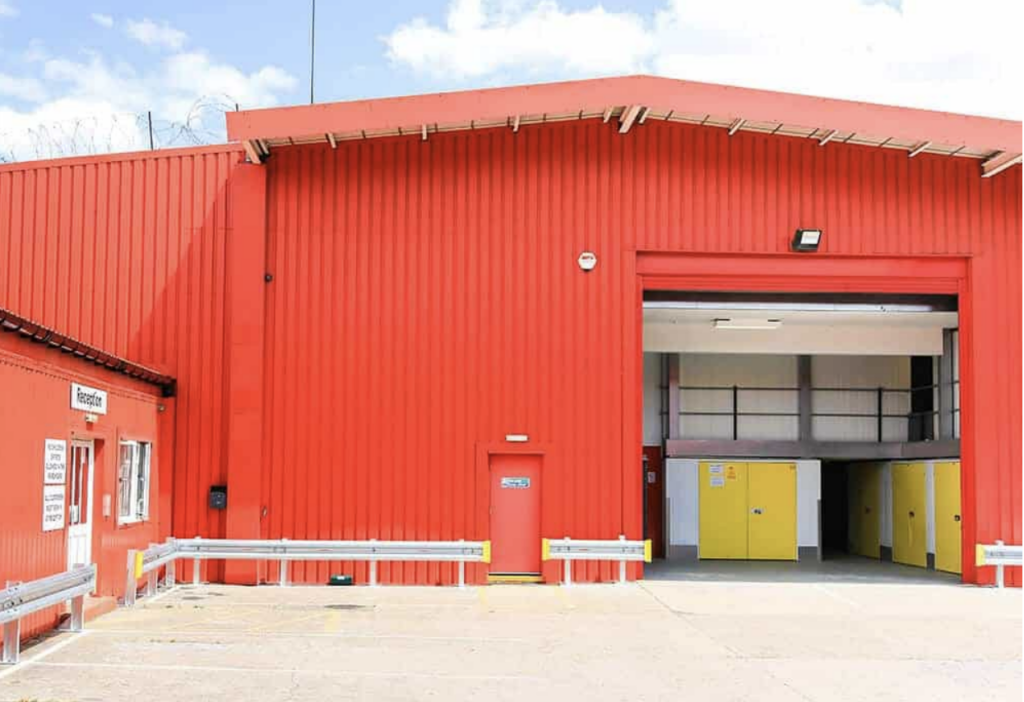
This is the context in which Henfield Storage operates. The company has been running since 2003 and now manages several indoor self-storage facilities across the city. Its service is built around a small number of clear elements: indoor units, transparent pricing, and a free collection service. None of these are unusual on their own. What stands out is how consistently they are applied and how little effort is required from the families using them.
For households already dealing with change, that matters.
Storage as a Response to Timing Gaps
Moves in London are rarely neat. Even when plans are clear on paper, the reality often looks different. Tenancies end before the next property is ready. Completion dates shift. Repairs or cleaning take longer than expected. These gaps are not dramatic, but they create immediate practical problems.
Belongings still need to be removed on time. Furniture has to go somewhere dry and secure. Boxes cannot simply be stacked in a hallway while waiting for keys. During these periods, storage stops being optional and becomes part of the process.
Families often use Henfield Storage during these transition periods because the service removes several steps at once. Items are collected and stored indoors, without the need to hire a van, organise parking, or ask for temporary space elsewhere. Storage acts as a holding solution rather than a long-term commitment, giving families time to complete the move properly instead of rushing decisions.
The key point here is not convenience, but continuity. Storage allows one stage of the move to finish before the next begins.
Clear Pricing in Situations That Are Already Expensive
When storage is needed unexpectedly, cost clarity becomes important very quickly. Families arranging storage are often doing so alongside other expenses. Deposits, removals, renovation work, school costs, or childcare arrangements may already be in play. Adding another unclear or open-ended cost makes planning harder than it needs to be.
Henfield Storage sets pricing according to unit size and length of use, with charges explained upfront. Storage can be adjusted without long-term commitment, which is particularly relevant when the duration of use is uncertain. This allows households to budget realistically rather than guessing how long storage might be needed.
Clear pricing also reduces the likelihood that storage lingers beyond its intended purpose. When costs and terms are easy to understand, it becomes easier to decide when storage is no longer required.
Collection That Reflects Urban Living
The free collection service is often one of the most practical aspects of the service, particularly in a city where transport is rarely straightforward. Parking restrictions, narrow staircases, shared entrances, and limited access all make moving belongings more complicated than it appears.
For families without access to a van, or without the time to coordinate multiple trips, collection removes a major logistical barrier. Items are collected directly and placed into indoor storage units, reducing the number of arrangements that need to be made during an already busy period.
Importantly, collection is part of the standard service rather than an optional extra. This removes uncertainty and avoids the need to weigh up additional costs or decide whether collection is worth it. For families trying to keep things simple, that integration makes a noticeable difference.
Why Indoor Storage Matters for Families
All units provided by Henfield Storage are located indoors. This is particularly relevant for the types of belongings families tend to store. Furniture, clothes, paperwork, children’s items, and electrical goods are all sensitive to damp and temperature changes.
Indoor storage reduces exposure to these conditions without requiring families to think about it. While environmental control is not positioned as a specialist feature, the indoor format suits everyday household storage and aligns with what families typically need during short- and medium-term transitions.
This becomes especially relevant when storage is used during renovations or moves, where items may need to be stored for several weeks or months rather than days.
Storage During Home Renovations
Renovation work often affects more of the home than initially expected. Rooms that were meant to remain usable become temporary workspaces. Furniture needs to be moved, but still accessed. Belongings cannot simply be stacked in another room without getting in the way.
Storage is commonly used during these periods to keep items out of the house while work is underway. Furniture and personal belongings can be removed temporarily, stored indoors, and returned once the space is ready. This allows renovation work to proceed without requiring families to live around piles of furniture or boxed-up rooms.
In these situations, storage functions as a practical extension of the home rather than a permanent solution.
Managing Seasonal and Overflow Items
Smaller homes often struggle to accommodate items that are not needed year-round. Seasonal clothing, sports equipment, children’s items that are no longer in use, or inherited belongings can quickly overwhelm available space.
Families use storage to manage this overflow without making permanent decisions about what to keep or discard. Items can be stored safely and accessed when needed, allowing living spaces to remain functional day to day.
This kind of use is often ongoing but flexible. Storage may be used for a few months at a time, then adjusted or paused as circumstances change.
Storage for Home-Based Work
Some families also use storage to support work carried out from home. Stock, tools, or equipment can take over living areas if there is nowhere else to keep them. Storage allows these items to be kept separately while remaining accessible.
This is particularly useful for households where work and family life share the same space. Storage provides a boundary without requiring additional premises or long-term leases.
Again, the emphasis is on flexibility rather than permanence.
A Service Built on Consistency
Henfield Storage has been operating for more than two decades, and its approach has remained steady during that time. Facilities continue to focus on indoor units, local access, and clear terms rather than frequent changes to service structure or pricing models.
This consistency reduces the learning curve for repeat users. Families returning to storage do not need to reassess unfamiliar processes or navigate new terms. The service works in the same way each time.
For households that may use storage at different points over many years, this predictability builds quiet confidence.
Staff Interaction and Communication
Communication around storage tends to be practical rather than sales-driven. Questions are answered directly. Terms are explained clearly. The focus remains on helping families arrange storage that fits their immediate needs rather than pushing longer commitments.
This matters in situations where time is limited and decisions need to be made quickly. Clear communication reduces friction and helps storage remain a background task rather than a central concern.
Storage as Part of Family Transitions
Across moves, renovations, and changes in living arrangements, storage plays a similar role. It creates time. It allows decisions to be made properly rather than under pressure. It reduces the number of problems that need to be solved at once.
Henfield Storage operates within these moments without drawing attention to itself. The service does what it is meant to do and then steps out of the way.
Overall View
Henfield Storage does not present itself as a lifestyle brand or a clever solution. It functions as a practical service designed to support families during periods of change. Its long-standing presence, indoor facilities, transparent pricing, and integrated collection service contribute to a predictable and straightforward experience.
For families in London managing moves, renovations, or shifts in how they use their homes, it offers storage that fits into everyday life without adding unnecessary complexity.

Monica Costa founded London Mums in September 2006 after her son Diego’s birth together with a group of mothers who felt the need of meeting up regularly to share the challenges and joys of motherhood in metropolitan and multicultural London. London Mums is the FREE and independent peer support group for mums and mumpreneurs based in London https://www.londonmumsmagazine.com and you can connect on Twitter @londonmums
