

If you walked the halls of Toy Fair London 2026 expecting one shouty, fight-for-it Christmas toy, you’d have left confused but oddly optimistic. This year delivered something better: a market that has finally found its footing.
UK toy sales rose 6% last year, with strong growth in games and puzzles. Licensed toys – driven by Stranger Things, Wicked and Minecraft – now account for over a third of the market. But licensing alone isn’t enough. A third of the British Toy & Hobby Association’s 30 Hero Toys are priced at £15 or under, proving innovation isn’t just for premium budgets.
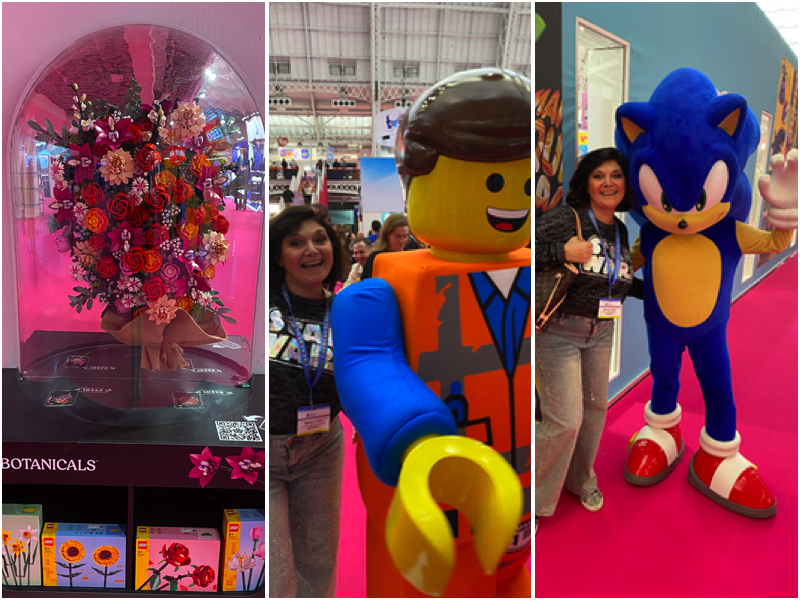
The message is refreshing: play should last, include everyone, have no age limit, and doesn’t need to be perfect to be brilliant. There may not be one toy everyone fights over – but there is something better: a richer, more interesting play landscape that reflects how families actually live now.
And frankly, it’s about time.
Here’s what will shape play in 2026.
Imagination over batteries
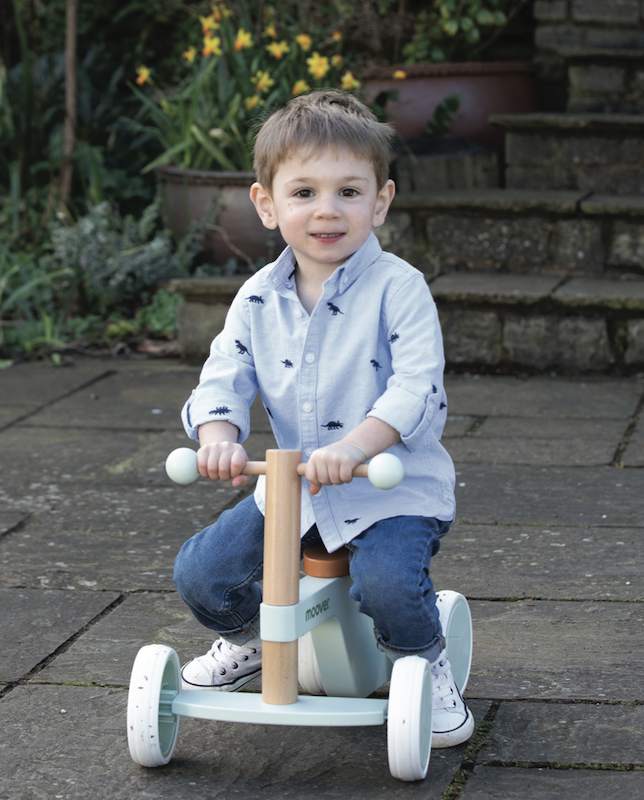
One clear message was a deliberate move away from battery-powered everything. Brands are leaning into toys that last, replay well and don’t need charging every six months. Manufacturers have realised that imagination is the most sustainable power source. Parents want investments, not landfill in waiting.
Learning, but make it a story
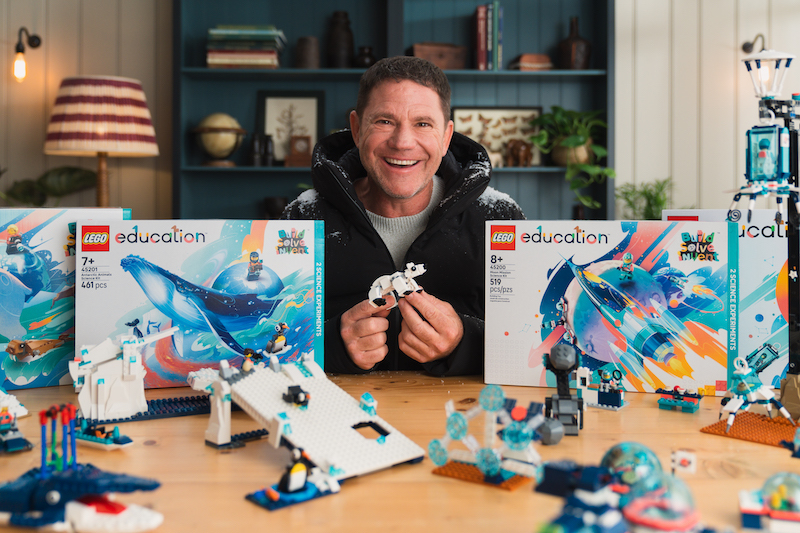
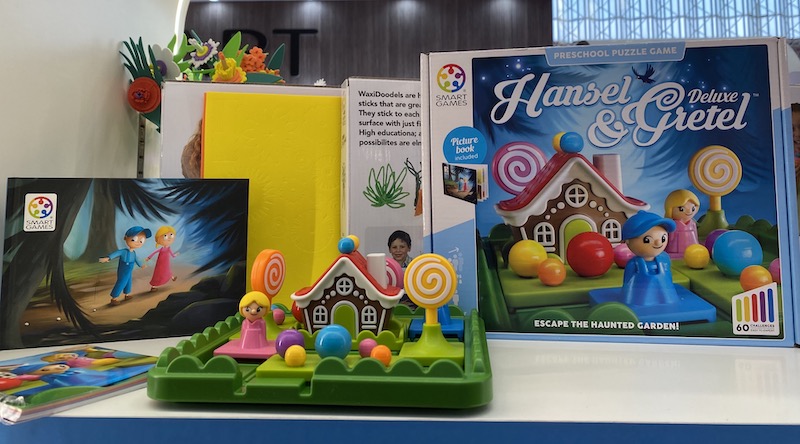
Educational toys have stopped feeling like homework. The strongest products now wrap learning inside stories and characters rather than worksheets. Smart Games’ Hansel & Gretel Deluxe combines physical puzzle play with a storybook, while LEGO launches four Education STEM sets to inspire scientific discovery at home. Children don’t want to be taught; they want to be invited in.
Kidults are here to stay
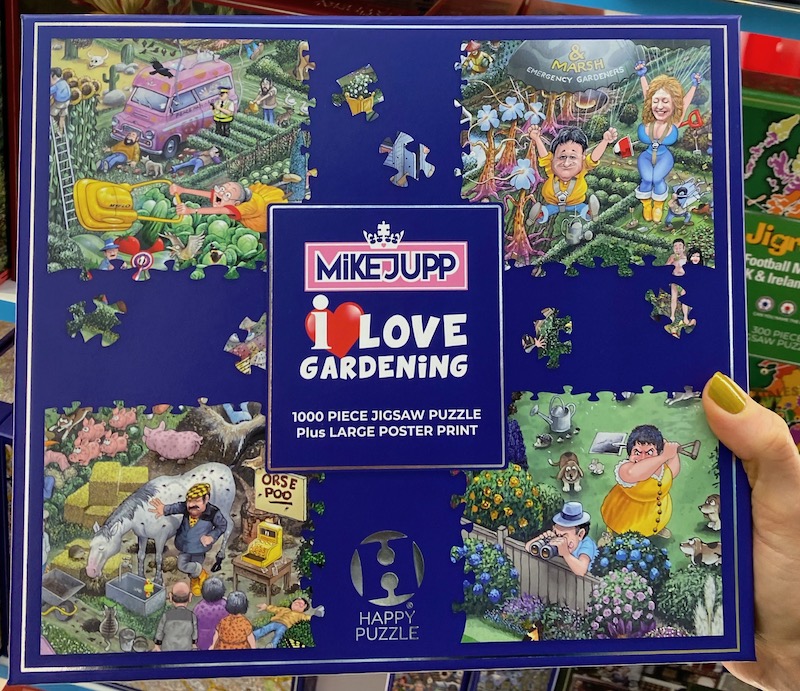
Adult play is no pandemic blip. Puzzles, brain games and beautifully designed objects for grown-ups are now permanent fixtures. Happy Puzzle impressed with witty illustrated scenes, from gardening to healthcare themes. Circana data backs this up: 76% of 18–34-year-olds bought a toy for themselves last year. Play is officially ageless.
Monsters, Weirdness and the end of “Nice”
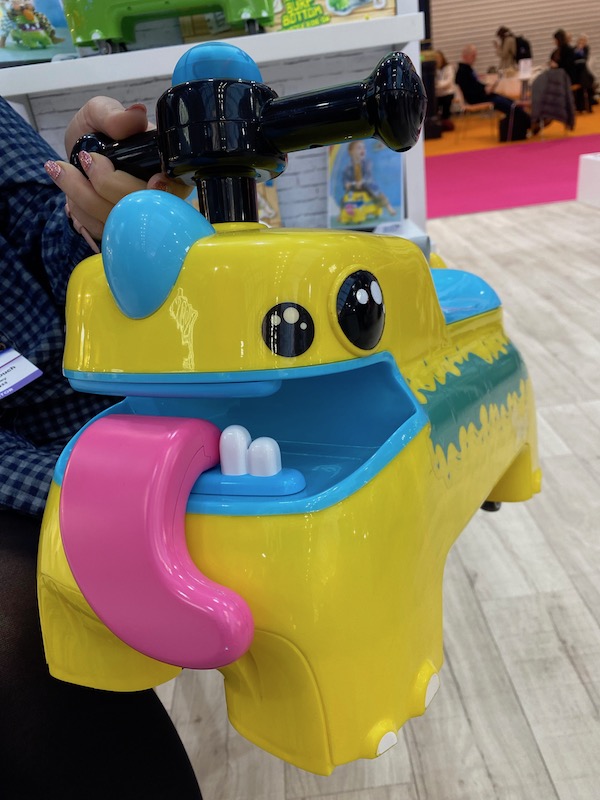
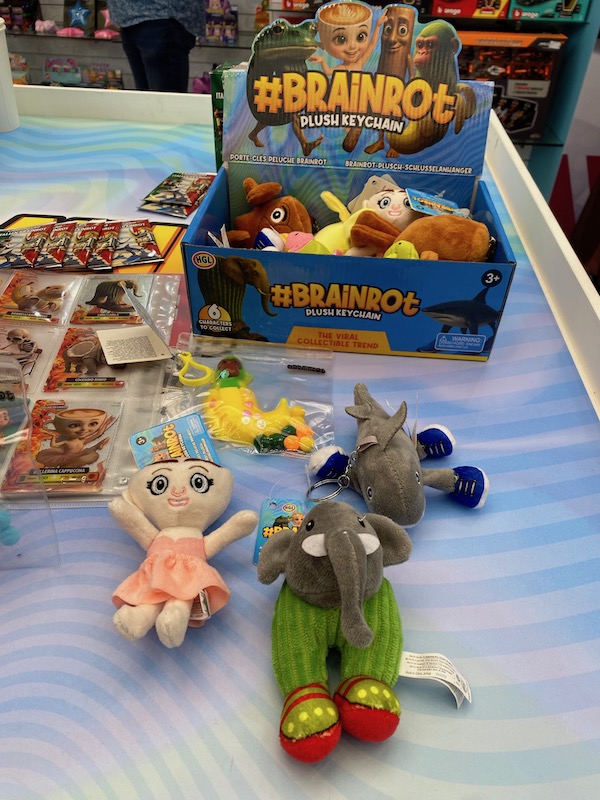
Cute had a good run. 2026 belongs to the odd and deliberately wrong. With Stranger Things looming large and Gen Alpha humour leaning into irony, “brain rot” characters are everywhere. Even toddler toys have attitude – Snootz ride-ons, particularly Sir Lickalot, target 18 months with a wink rather than a lullaby. Perfection is boring. Kids want personality, even if it’s a bit unhinged.
Space is back – Smarter
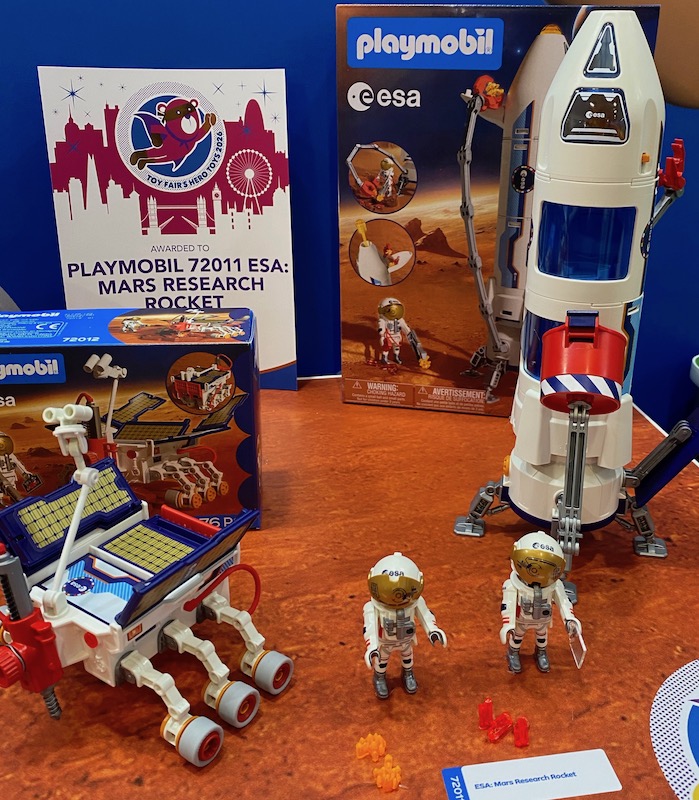
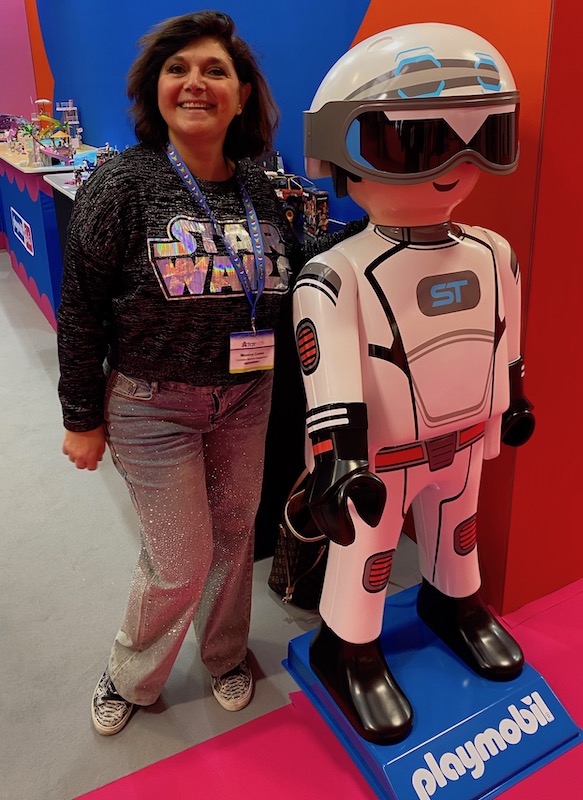
Space never really goes away, but this year it felt less sci-fi spectacle and more quiet ambition. Playmobil’s Space Station focuses on curiosity and engineering thinking, not flashy lights. Imagination does the heavy lifting.
Create, Film, Escape
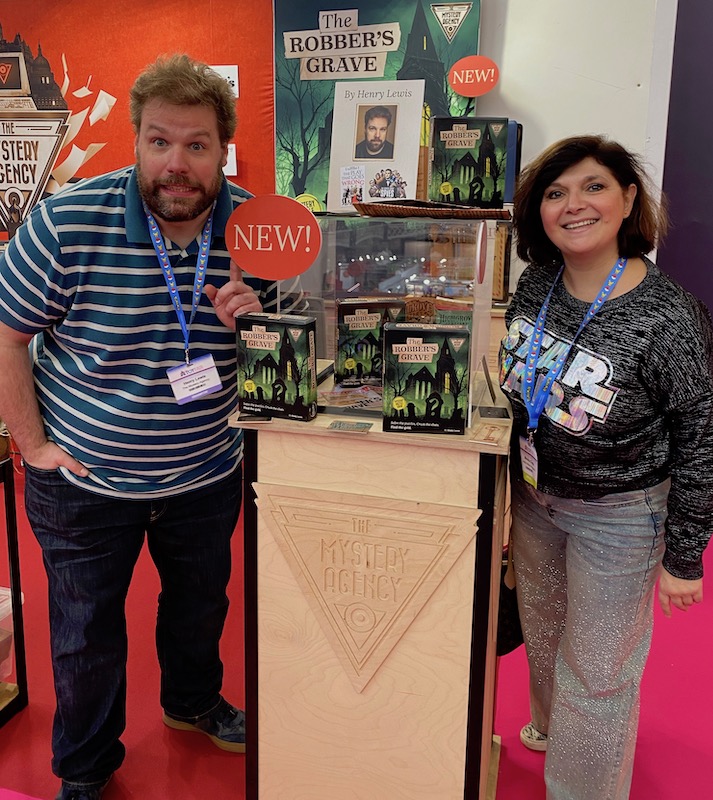
Toys are becoming experiences rather than objects. Stikbot Shinies combines figures with a green screen app for stop-frame animation, while The Mystery Agency delivers escape rooms in a box. Children want to create content, not just consume it.
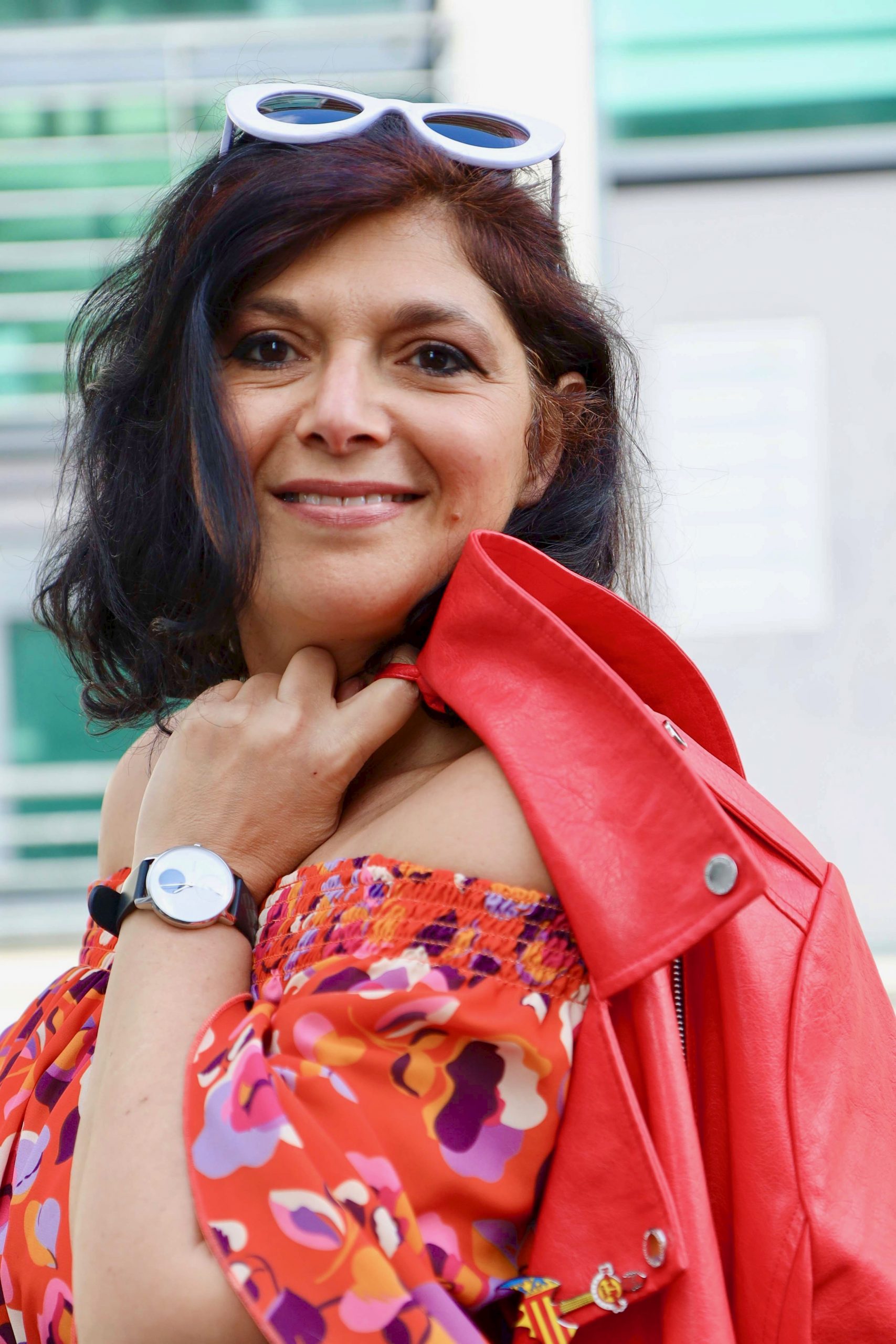
Monica Costa founded London Mums in September 2006 after her son Diego’s birth together with a group of mothers who felt the need of meeting up regularly to share the challenges and joys of motherhood in metropolitan and multicultural London. London Mums is the FREE and independent peer support group for mums and mumpreneurs based in London https://www.londonmumsmagazine.com and you can connect on Twitter @londonmums
