

The wait is almost over, and the beginning of the end is officially in sight. Netflix’s flagship sci-fi horror phenomenon, Stranger Things, is returning for its fifth season and part two of the final season, bringing the story of Hawkins, Eleven and the Upside Down to a close. The Duffer Brothers have confirmed that the concluding season will premiere on Christmas Day 2025 in the US, landing in the UK on Friday, 26 December at 1am GMT – a festive release that feels deliberately symbolic for a series built on nostalgia, ritual and shared experience.
This announcement is more than just a date in the diary. It marks the closing chapter of one of the most influential television shows of the past decade. Since its debut in 2016, Stranger Things has grown from an unexpected sleeper hit into a global cultural force, shaping how we talk about streaming, fandom and event television. As it gears up for its final battle, it’s worth asking: why does this show still grip the world so completely?

The heartbeat of Hawkins
At its core, Stranger Things works because it understands something deceptively simple: story comes first, spectacle second. While the monsters have grown bigger and the stakes higher, the emotional centre has always remained human.
The friendship between Mike, Eleven, Dustin, Lucas and Will is the show’s anchor. Their awkwardness, loyalty and emotional honesty feel real, even when the world around them collapses into supernatural chaos. Audiences haven’t just watched these characters fight monsters – they’ve watched them grow up. That long-term emotional investment is rare, and it’s one of the reasons the series has retained its grip for so long.
Nostalgia, done properly
Stranger Things doesn’t merely reference the 1980s; it inhabits it. The series channels the spirit of Spielberg, Stephen King and early genre cinema with genuine affection rather than parody. The bikes, basements, synths and soft lighting aren’t decorative – they’re part of the emotional language of the show.
For older viewers, it’s a powerful hit of memory. For younger audiences, it’s an invitation into a mythic version of a decade they never lived through. That cross-generational appeal has turned Stranger Things into a rare family viewing experience, uniting parents and teenagers around the same story.
A perfect blend of genres
Few shows juggle tone as confidently as Stranger Things. It is simultaneously a coming-of-age drama, a sci-fi thriller, a horror series and, at times, a romantic tragedy. One episode might centre on adolescent jealousy; the next on body-snatching creatures from another dimension.
This genre fluidity keeps the show fresh. Just as viewers settle into one rhythm, the story shifts – darker, funnier or more emotionally raw. Season 4, in particular, leaned heavily into psychological horror with Vecna, offering a villain who was not just terrifying, but disturbingly intimate.
Characters that became icons
The show’s popularity is inseparable from its characters. Eleven remains one of the most recognisable figures of modern television – powerful, vulnerable and deeply human. Steve Harrington’s evolution from stereotypical high-school antagonist to beloved protector became one of the series’ most unexpected triumphs. Joyce Byers’ relentless maternal instinct, Hopper’s bruised masculinity and the tragic sensitivity of characters like Max all contribute to a world that feels emotionally lived-in.
Strong performances elevated every season. Winona Ryder’s return to mainstream television felt like a cultural correction, while David Harbour gave Hopper a bruised heart beneath the bravado. Season 4’s introduction of Jamie Campbell Bower as Vecna added a chilling new depth, blending body horror with emotional trauma.
A true cultural event
In an age of endless content, Stranger Things still manages to feel like an event. Each new season dominates conversation, fuels theories, spawns memes and resurrects music – most famously Kate Bush’s Running Up That Hill, which returned to the charts decades after its release.
The show doesn’t just air; it arrives. Viewers don’t merely watch it – they participate in it. That sense of collective experience is increasingly rare, and it’s a major reason the series continues to matter.
What the final season promises
Season 4 ended with Hawkins literally torn open, the boundary between worlds collapsing and the characters scattered but resolute. The final season promises a reckoning – not just a physical battle against Vecna, but an emotional one. Trauma, sacrifice and loyalty will sit at the heart of the final confrontation.
The Duffer Brothers have hinted at a return to the intimacy of Season 1, even as the scale remains epic. Expect closure, loss, and a deliberate slowing down – a chance to say goodbye properly.
Why Stranger Things endures
Stranger Things became a phenomenon because it trusted its audience. It didn’t rush emotion, underestimate nostalgia or rely solely on spectacle. It told a story about friendship, fear and growing up – and wrapped it in monsters, synths and shadows.
As the countdown to the final season begins, the world isn’t just waiting to see how it ends. We’re preparing to say goodbye to a place that, for nearly a decade, felt oddly like home.
Hawkins is closing its gates. And when it does, it will leave a very Upside-Down-shaped hole in pop culture.
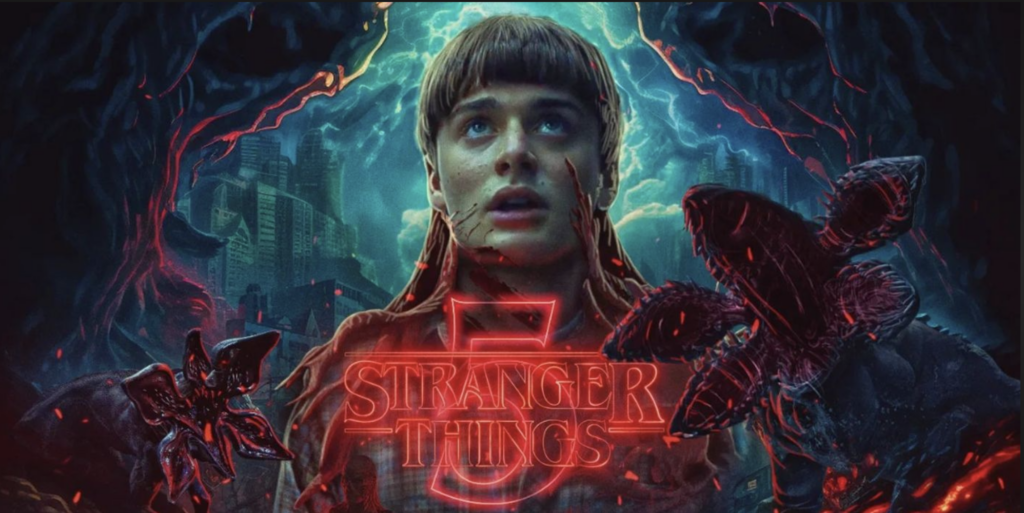
Global release times for part two of the final season:
• US & Canada – Thursday, 25 December at 5pm PST / 8pm EST
• UK – Friday, 26 December at 1am GMT
• India – Friday, 26 December at 6:30am IST
• Singapore – Friday, 26 December at 9am SGT
• Australia – Friday, 26 December at 12pm AEDT
• New Zealand – Friday, 26 December at 2pm NZDT
One last ride. One final battle. And a Christmas television moment the world will share together.

Monica Costa founded London Mums in September 2006 after her son Diego’s birth together with a group of mothers who felt the need of meeting up regularly to share the challenges and joys of motherhood in metropolitan and multicultural London. London Mums is the FREE and independent peer support group for mums and mumpreneurs based in London https://www.londonmumsmagazine.com and you can connect on Twitter @londonmums
