

Sometimes the best stories begin over a glass of wine at a Christmas party. At the last festive gathering at Handel Hendrix House, its director Simon Daniels casually mentioned something that instantly caught my attention: he had recently given a speech at a conference in Bologna about music house museums.
Bologna. My hometown.
Simon went on to say how much he had enjoyed visiting some of Bologna’s musical museums – wonderful, but a little hidden. One in particular stood out: the Museo Internazionale e Biblioteca della Musica, housed in the elegant Palazzo Sanguinetti.
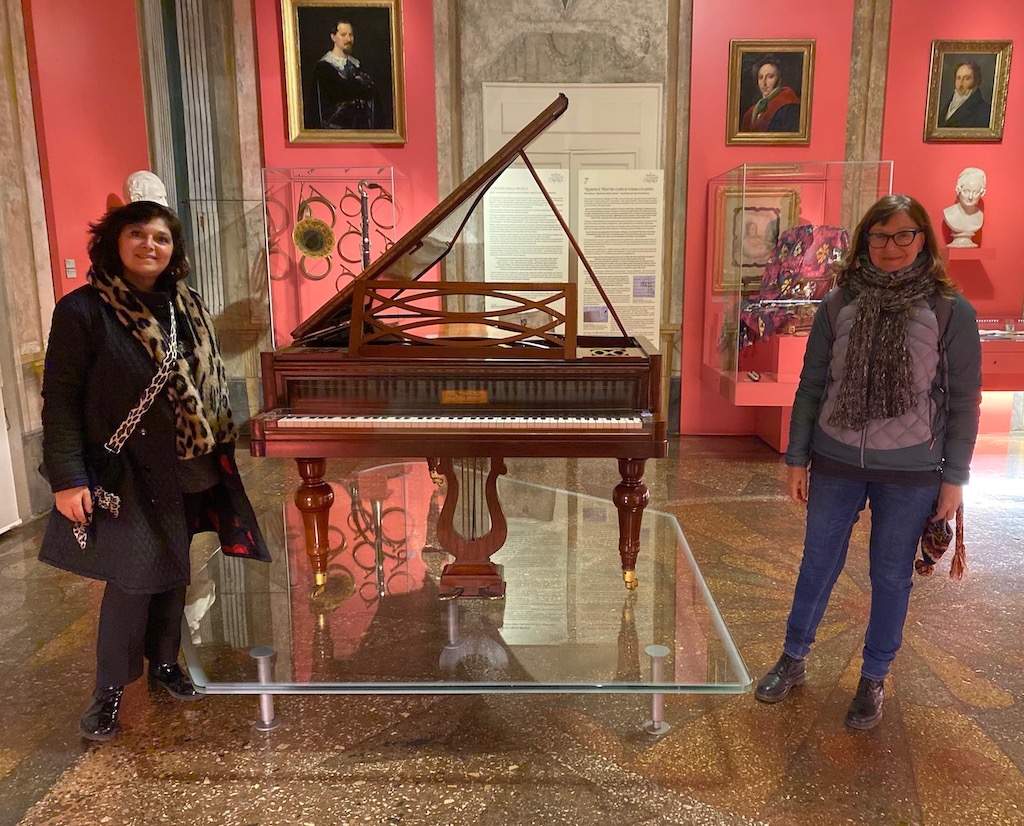
Cue festive curiosity, a touch of hometown pride, and a Christmas holiday mission. I went. And I can confidently say: this is one of Bologna’s most quietly extraordinary cultural gems.
Is the Museo della Musica really worth a visit?
Short answer: absolutely.
Long answer: even UNESCO agrees – and that’s saying something.
Opened in 2004, the Museo Internazionale e Biblioteca della Musica brings together Bologna’s extraordinary musical heritage in one beautifully layered space. It’s not a dusty museum where you whisper and rush through. It’s immersive, playful, intellectual and surprisingly emotional – even if you’re not a music expert.
Where music becomes a family affair
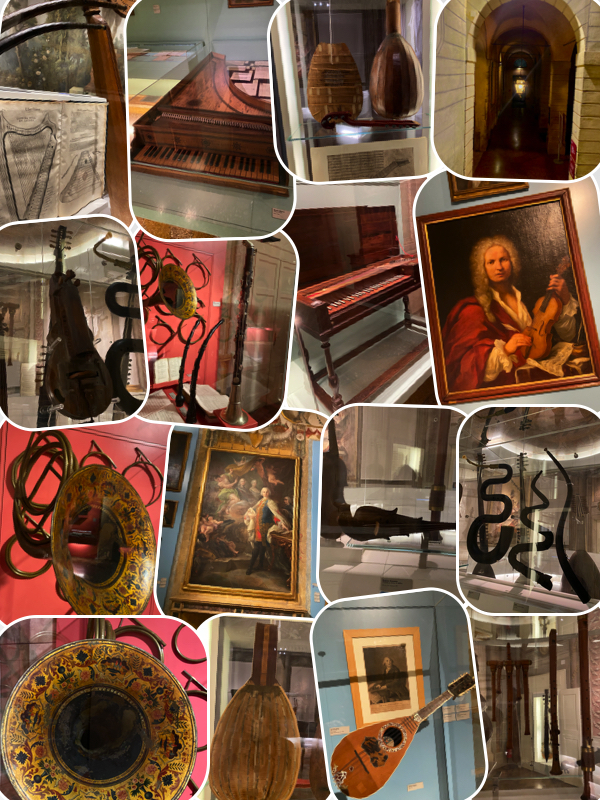
Thanks to the wonderful Valeria, a volunteer at the museum and a retired music teacher, I understood that one of ways the museum explains musical history is by treating instruments like a family tree:
The harp as the great-grandmother
The harpsichord as the grandmother
The pianoforte as the mother
And the modern piano as the child.
Suddenly, centuries of musical evolution make perfect sense – and feel wonderfully human.
Music, maths and Galileo
In the Renaissance, music wasn’t just art – it was science. During Galileo’s era, music was closely linked to mathematics, ratios and harmony. Walking through these rooms, you realise that sound, numbers and beauty were once deeply intertwined.
Instruments with surprising stories
Some exhibits genuinely made me smile. Take the tromba marina from 1702 – a string instrument designed so women could “play a trumpet” without the social impropriety of blowing into a wind instrument. Modesty, but make it musical.
And then there’s the priceless Petrucci book from 1501, the first printed music book in the world. Its value is immeasurable – not just financially, but culturally. It’s a reminder that music has always been something worth preserving, sharing and perfecting.
Vivaldi, reformatories and violin-shaped buildings
Here’s a plot twist I didn’t expect: in Vivaldi’s time, conservatoires were actually reformatories. Music was seen as a path to discipline and redemption. Even the architecture mattered – some buildings were designed in the shape of a violin, optimising acoustics for both performers and listeners.
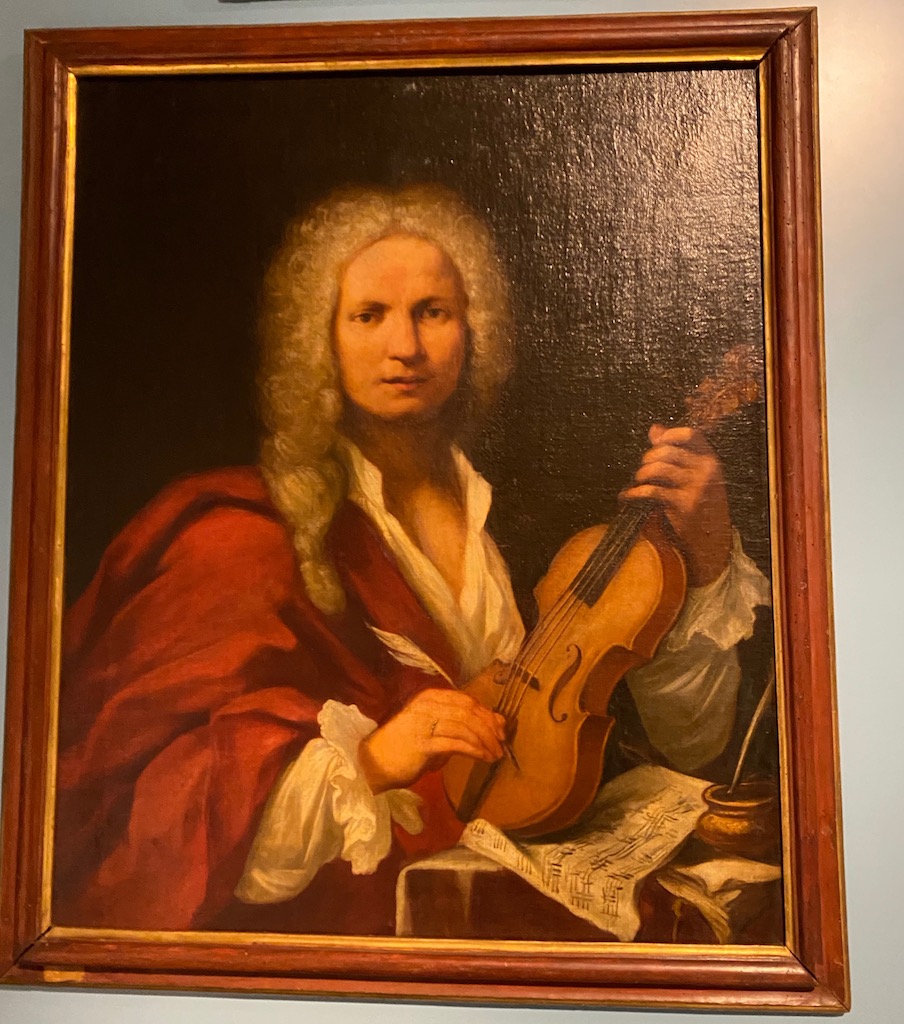
And yes, this museum houses the only known portrait of Vivaldi. Goosebumps moment.
Bologna, opera and Rossini
Bologna’s relationship with Gioacchino Rossini is deeply personal – and beautifully told here. Rossini lived in this very building, and in the 19th-century room you’ll find his actual piano, alongside personal items that make him feel surprisingly close and human.
There’s also a detailed model of Bologna’s 18th-century theatre, built in 1755 – a lively space where audiences stood, chatted and ate during performances. Think less “silent reverence”, more Shakespeare in Love energy.
A museum that tells stories, not just facts
What makes this museum exceptional is its narrative flow. The collections – inspired by the Enlightenment vision of Padre Martini, the museum’s spiritual father – speak for themselves. Mozart, Gluck, Bach, Farinelli, Rossini… they’re not just names on walls, but characters in a living story.
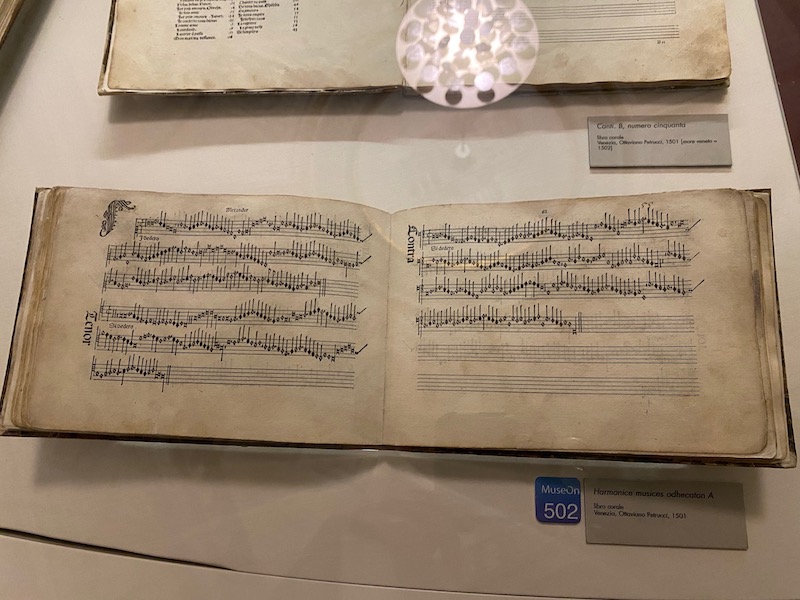
From rare instruments to handwritten scores, from lavish portraits to intimate personal objects, the museum invites you to listen as much as you look.
Why this matters (especially for families)
As editor of London Mums Magazine, I’m always looking for places that educate without intimidating, that inspire curiosity across generations. This museum does exactly that. It proves that culture doesn’t need to shout to be powerful – sometimes it just needs the right space to be heard.
Simon Daniels was right. This museum may be slightly hidden, but it is absolutely unforgettable.
If you find yourself in Bologna – especially with curious children, teenagers, or simply a love of stories well told – put the Museo Internazionale e Biblioteca della Musica at the top of your list.
You don’t just visit it.
You come away hearing the world a little differently.
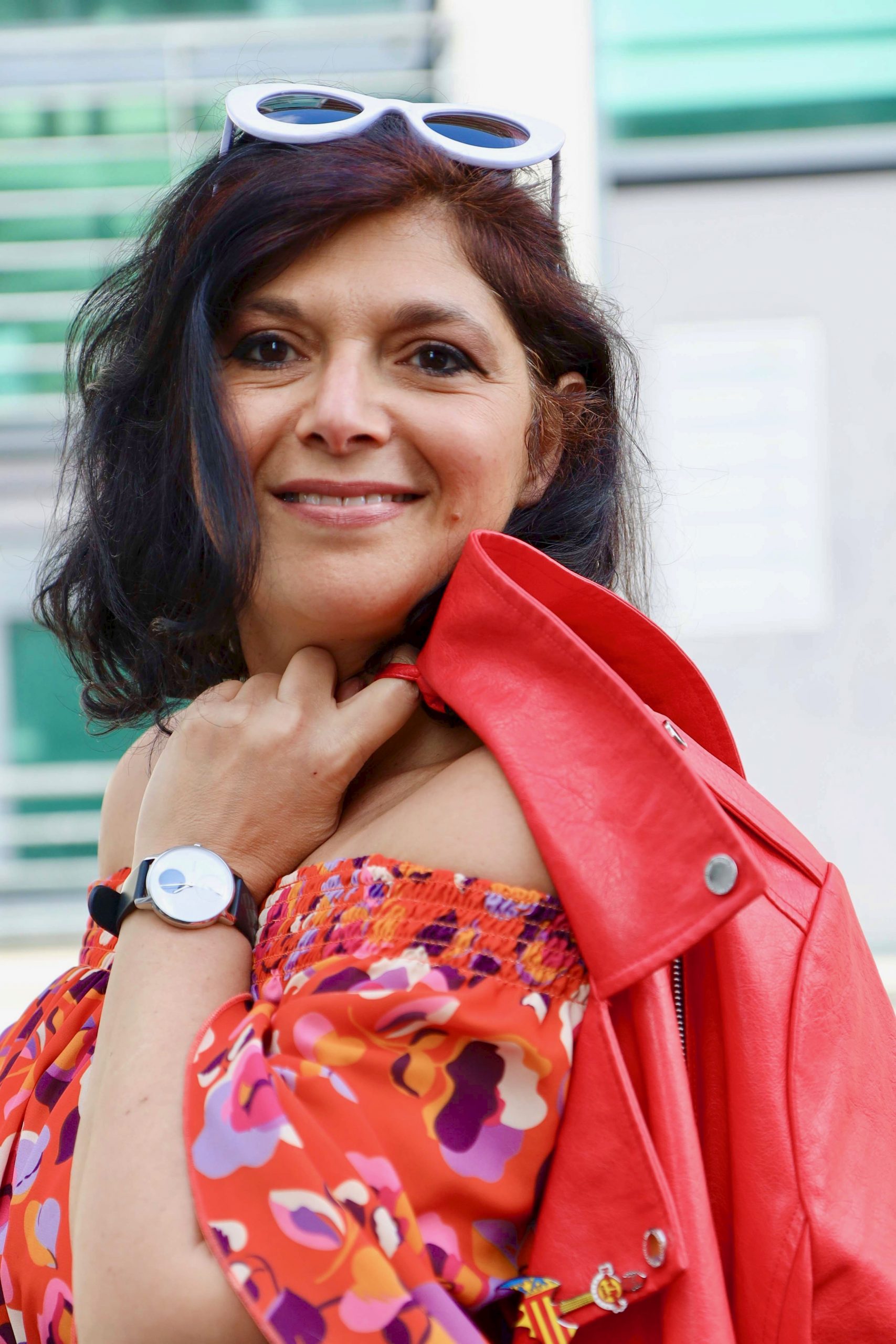
Monica Costa founded London Mums in September 2006 after her son Diego’s birth together with a group of mothers who felt the need of meeting up regularly to share the challenges and joys of motherhood in metropolitan and multicultural London. London Mums is the FREE and independent peer support group for mums and mumpreneurs based in London https://www.londonmumsmagazine.com and you can connect on Twitter @londonmums
