

Your bedroom should feel like an exhale. A place where your heart rate slows, your shoulders drop, and your mind steps off the treadmill for the night.
You don’t need a full renovation to get there. With a few smart adjustments to temperature, light, layout, and fabrics, you can turn the space you have into a calm retreat that helps you drift off and wake up refreshed.

Set The Right Sleep Temperature
Cooler air helps your body power down. Aim for a consistent setting that feels crisp when you tuck in and comfortable when you wake.
A recent guide explained that most people sleep well when the room sits around the mid-60s in Fahrenheit – keeping nights comfortably cool supports deeper rest. This simple tweak often beats fancy gadgets for impact.
If your thermostat is imprecise, use layered bedding so you can fine-tune quickly. A breathable duvet and a light throw let you adjust without fully waking up.
Calm The Lighting
Light is a powerful cue for your internal clock. Treat morning, afternoon, and evening light with care, and your sleep will respond.
One report noted that only about half of people get bright indoor light during daytime hours, which can dull alertness by day and make sleep feel inconsistent by night. Bring in brighter task lighting for day use, then dim it down in the evening.
At night, switch to warm, low lamps. Add blackout curtains if streetlights sneak in. Keep screens out of bed and set a phone night mode so your brain gets a clear message that it’s time to wind down.
Simplify Your Layout
Visual noise creates mental noise. A streamlined room helps your nervous system settle and stay settled.
Start with surfaces. Clear nightstands of anything that blinks, buzzes, or stacks up. Keep the top to a lamp, a book, and water.
Then look at the flow. Make sure you can move from door to bed to bathroom without weaving around clutter. A simple path and tidy floor make late-night trips safer and less stimulating.
Choose Soothing Textures And Bedding
Texture is a shortcut to calm. Soft, breathable fabrics keep your skin comfortable and your body temperature steady.
Many people find natural fibers more forgiving through the night. Consider a bamboo bed linen set for a cool, smooth feel that helps manage heat and moisture. Pair it with a medium-weight duvet, so you’re cozy without overheating.
Finish with two pillow types so you can swap depending on how you sleep that night. A supportive option for side sleeping and a plusher one for back sleeping cover most needs.
Quiet The Noise
Sound is a sneaky sleep thief. Even low-level disruptions can nudge you into lighter stages of sleep.
A health resource emphasized that cooler rooms often pair with better habits like consistent bedtimes and a quieter setup – together, these basics support more reliable rest. Soft-close pads on drawers, felt furniture feet, and a thick rug all help to hush small clatterings.
If traffic or neighbors are an issue, try a steady fan or a white-noise machine. The gentle hum masks spikes from outside so your brain can ignore them.
Freshen The Air
Stale air can feel heavy and reduce comfort. Fresh, lightly humidified air supports easy breathing and a calmer mood.
Open a window for a few minutes each morning and evening when the weather allows. This quick exchange clears out overnight stuffiness and indoor odors.
Add a simple plant if you like the look, but prioritize ventilation first. A small purifier can help if allergies flare at night.
Build An Evening Rhythm
Your body loves patterns. A small, repeatable wind-down tells your brain that sleep is next.
Experts often point to a short routine – dim the lights, cool the room, and step away from intense tasks 30 to 60 minutes before bed. Keep it simple so you can stick with it on busy nights.
Try a two-part flow: light tidy for five minutes, then something soothing like stretching or reading. The goal is to land in bed feeling unrushed and ready.
Keep Tech In Its Place
Screens wake up your brain at the worst time. Set boundaries so your room stays restful.
Charge devices outside the bedroom or across the room. If you need your phone for alarms, use airplane mode and a quiet display.
For late tasks, switch to larger screens at a desk with bright light, then transition to low light in the bedroom. This helps separate work-brain from sleep-brain.
Make Mornings Gentle
How you wake shapes how you sleep later. Calm mornings support calm nights.
Use a gradual alarm so the sound ramps up instead of startling you awake. Place it where you must stand to turn it off.
Open curtains soon after waking to get natural light. A sleep organization highlighted that optimizing light by day and darkness at night can improve sleep quality – small shifts add up.
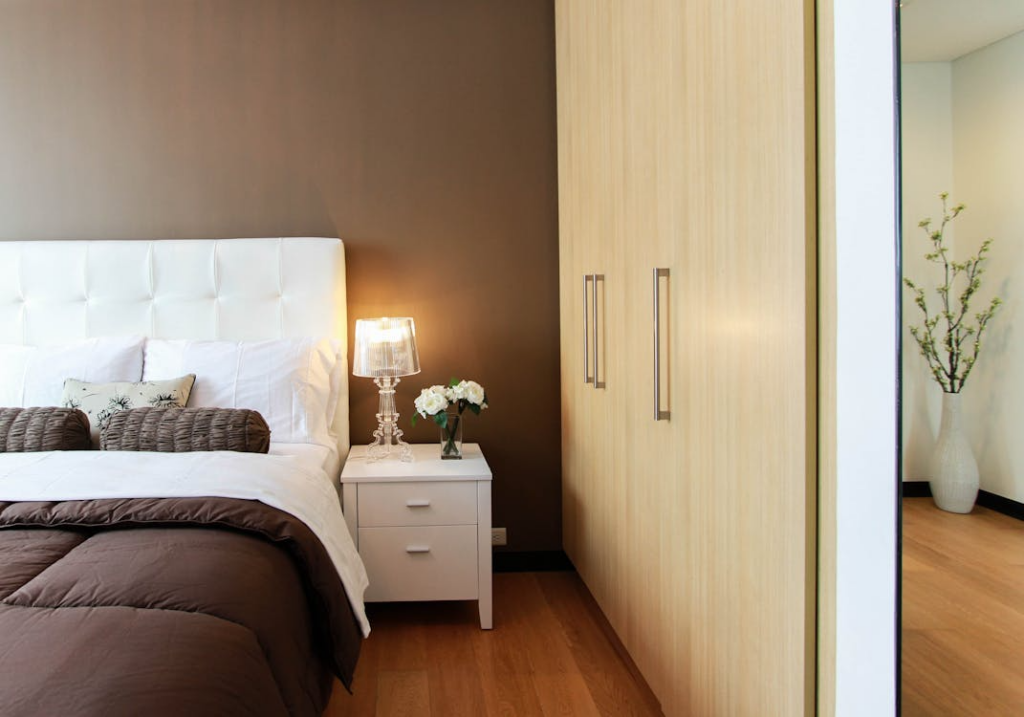
A calmer bedroom is a habit, not a single purchase. Tidy a little each day, keep the room cool, and use light wisely so your body gets consistent cues.
Give yourself a week to adjust. Notice how you feel after a few nights – and keep the changes that make you breathe easier the moment you step inside.

Monica Costa founded London Mums in September 2006 after her son Diego’s birth together with a group of mothers who felt the need of meeting up regularly to share the challenges and joys of motherhood in metropolitan and multicultural London. London Mums is the FREE and independent peer support group for mums and mumpreneurs based in London https://www.londonmumsmagazine.com and you can connect on Twitter @londonmums
