

It is 10:47 pm. The house is finally quiet. You have answered 34 questions today, cleaned something sticky off at least three surfaces, and reheated the same cup of tea twice. Your brain is still buzzing.
Now imagine scrolling through Instagram and seeing another post about CBD drops for calm, cannabis for sleep, mum’s microdosing to cope, or conversations around dry herb vaporizers as an alternative to smoking. It is everywhere. The wellness space is saturated with it.
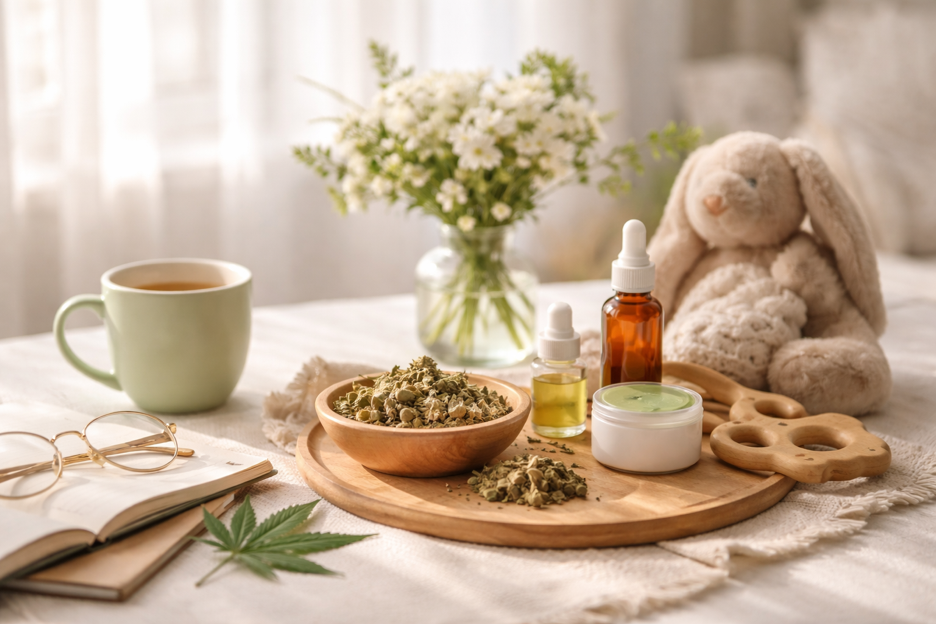
But here is the problem. In the UK, cannabis is still illegal for recreational use. The laws are strict. Science is evolving. And the marketing can be wildly misleading.
At the same time, interest is clearly growing. The UK CBD market was valued at roughly £690 million in 2021, making it one of the largest in Europe, according to the Association for the Cannabinoid Industry. That is not a niche trend. That is mainstream curiosity.
So what is actually legal? What is safe? And what could land you in serious trouble?
If you are a mum trying to make informed choices without risking your health or your record, this is what you need to know.
What Is Legal in the UK

Under the Misuse of Drugs Act 1971, cannabis containing THC is illegal for recreational use in the UK. THC is the compound responsible for the psychoactive high.
Medical cannabis has been legal since 2018, following policy changes by the UK Government. However, prescriptions are tightly regulated and typically reserved for specific conditions such as severe epilepsy or multiple sclerosis. Most prescriptions are issued privately rather than through the NHS.
CBD is treated differently. Cannabidiol is legal provided it contains no more than 0.2 percent THC and is derived from approved industrial hemp strains. The UK Food Standards Agency regulates CBD as a novel food and advises that healthy adults should not consume more than 10 mg per day as a precaution while long-term safety data continues to develop.
In short, CBD products are legal and widely available. THC products without a prescription are not.
Why Are More Mums Exploring Cannabis Related Products?
Parenting pressure is real. According to the Office for National Statistics, women in the UK consistently report higher average anxiety levels than men. Globally, the World Health Organization estimates that around one in five adults experiences a mental health condition each year.
Many women are looking beyond traditional options to support:
• Stress management
• Sleep quality
• Muscle and joint discomfort
• General relaxation
CBD is non-intoxicating, meaning it does not produce a high. That distinction matters for parents who need to stay alert and functional.
At the same time, it is important to be realistic. Research into CBD is ongoing. While early studies suggest potential for anxiety and sleep support, it is not a cure and should not replace professional medical advice where needed.
Dry Herb Vaporizers: A Modern Consumption Method
For those legally using cannabis derived products, dry herb vaporizers are increasingly part of the conversation.
Unlike smoking, which burns plant material and produces combustion toxins, vaporizers heat the herb to release active compounds in vapour form. Research published in Harm Reduction Journal found that vaporization significantly reduces exposure to harmful byproducts compared to smoking.
The device itself is legal to own in the UK. What matters is ensuring any material used complies with UK THC regulations. For mums curious about more advanced options, including THC vape devices and their benefits, guides like this provide insight into how they differ from standard dry herb vaporizers.
From a health perspective, avoiding combustion is generally considered a lower risk option compared to smoking. However, reduced exposure does not mean zero risk, and long term research is still developing.
For mums who value discretion, controlled dosing, and avoiding smoke, vaporizers are often viewed as a more measured approach.
Safety Still Comes First
Legal does not automatically mean risk free.
The Food Standards Agency recommends:
• Purchasing from reputable, lab tested brands
• Staying within the 10 mg CBD daily precautionary limit
• Avoiding products that make exaggerated medical claims
CBD can interact with certain medications because it affects liver enzymes involved in drug metabolism. Anyone pregnant, breastfeeding, or taking prescription medication should consult a healthcare professional before use.
The Royal College of Obstetricians and Gynaecologists advises avoiding cannabis during pregnancy due to potential risks to fetal development.
Informed choice is key.
So, Is It Worth Knowing About?
Cannabis is not just a cultural talking point anymore. It is a regulated, growing sector of the UK wellness market. For mums, the conversation is less about rebellion and more about practical self care.
Understanding the difference between THC and CBD, knowing the legal boundaries, and choosing safer consumption methods if exploring options makes all the difference.
This is not about hype. It is about clarity.
When you know what is legal, what the science actually says, and where the limits are, you are in control of the decision. And for most mums, informed control is exactly the point.

Monica Costa founded London Mums in September 2006 after her son Diego’s birth together with a group of mothers who felt the need of meeting up regularly to share the challenges and joys of motherhood in metropolitan and multicultural London. London Mums is the FREE and independent peer support group for mums and mumpreneurs based in London https://www.londonmumsmagazine.com and you can connect on Twitter @londonmums
