

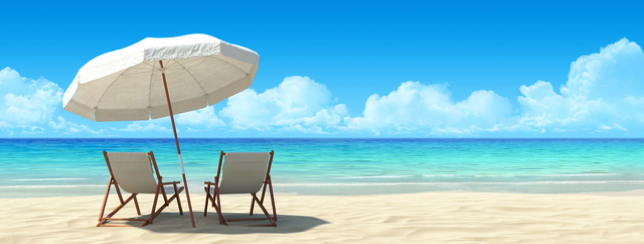
There is something almost unfair about turquoise coastlines. Before you have checked the weather, looked up the local food, or learned a thing about the history of the place, that color has already done the work. It promises release. It hints at distance from routine. It suggests that life might feel lighter near the edge of that water.
For decades, turquoise shorelines have carried a meaning far beyond geography. They have become shorthand for escape, freedom, and the kind of emotional reset people often struggle to describe. But why this particular image? Why not a mountain ridge, a forest trail, or a city skyline at dusk?
The answer sits at the intersection of psychology, culture, and the way modern travel has been packaged, photographed, and imagined.
The Color That Signals Calm and Possibility
Turquoise occupies a powerful visual middle ground. It combines the serenity commonly associated with blue and the freshness linked to green. In environmental psychology, blue spaces are often connected with reduced stress, improved mood, and a greater sense of openness. When water is clear enough to show gradients of aqua, teal, and bright blue in one glance, that effect becomes even stronger.
A turquoise coastline feels legible in an instant. You can see depth, movement, and contrast. The shallow water near shore looks inviting rather than threatening. The horizon appears expansive rather than distant. It creates a sense of access: here is a place you can step into, float in, and lose track of time beside.
That matters more than we often admit. Much of modern life is structured around friction: alerts, deadlines, traffic, screens, and schedules. Turquoise water represents the opposite. It appears effortless. Even when the coastal environment itself is wild and dynamic, the visual impression is one of ease.
From Distant Dream to Global Travel Icon
Postcards, cinema, and the luxury of open space
The turquoise shoreline did not become a universal symbol by accident. It was reinforced for generations through postcards, travel posters, films, magazines, and later social media. These images rarely focused only on the sea. They paired it with white sand, open decks, small boats, sun-washed villages, or empty coves. The message was subtle but consistent: here, life slows down and expands at the same time.
In the mid-20th century, as commercial air travel became more accessible, coastal destinations gained a new cultural role. They were no longer simply places where fishing communities lived and worked. They became imagined zones of reinvention. You went to the coast to disconnect, to celebrate, to recover, or to begin again.
That symbolism has only deepened in recent years. Travelers are not just looking for scenic beauty; they are looking for experiences that feel intentional and immersive. That is part of why interest has grown in formats like a structured coastal marine adventure package, where the appeal is not only the water itself, but the way a trip can help people access it with less logistical noise and more meaningful time on the coast.
Social media accelerated what tourism already knew
Instagram did not invent the fantasy of the turquoise coast, but it did compress it into a universally recognizable visual code. One image can now communicate rest, status, spontaneity, and aspiration all at once. That has made turquoise beaches uniquely powerful in destination marketing, even compared with other beautiful landscapes.
Yet the appeal is not purely performative. The image works because it taps into something older and more instinctive: people are drawn to edges, to transitions, to places where land gives way to water and routine gives way to possibility.
Why Coastal Spaces Feel Like Freedom
Freedom is often described in abstract terms, but coastal environments make it physical. You can move differently there. You walk barefoot. You swim instead of commute. You navigate by light and tide rather than calendar blocks and inbox counts.
The coastline breaks normal rules
Cities tell you where to stand, cross, wait, and move. Offices divide time into measurable units. Even countryside travel can be shaped by routes, weather windows, and terrain demands. A coastline, especially one with clear water and changing marine life, offers a looser rhythm. You can drift, stop, look, dive, float, or simply watch.
That flexibility is part of the emotional charge. The coast feels open-ended. It lets people imagine a temporary life beyond obligation.
Water changes perception of time
Anyone who has spent a day near bright, clear water knows the sensation: time becomes less precise. Hours stretch. Attention narrows in a healthy way. You notice small things again, such as the movement of light under a boat, the shift of wind, the sound of waves over rock.
This is one reason coastal travel remains resilient even as trends change. People may argue over the best type of holiday, but the need for mental decompression is not going anywhere.
The Modern Meaning of Escape
Escape used to mean leaving ordinary life behind. Now it often means recovering a version of yourself that ordinary life has crowded out. That distinction matters.
Today’s travelers are often not chasing luxury in the old sense. They are chasing clarity, novelty, and relief from overstimulation. Turquoise coastlines fit that need almost perfectly because they combine sensory richness with mental spaciousness. They are vivid without being overwhelming.
A few conditions make these places especially potent symbols of freedom:
- visual simplicity and natural contrast
- a strong sense of horizon and scale
- activities that invite presence rather than productivity
- a built-in separation from urban pace and noise
Notice that none of these require extravagance. A turquoise bay does not have to be exclusive to feel transformative. In many cases, its impact comes from the opposite: the reminder that some of the most restorative experiences are elemental.
More Than a Travel Cliché
It is easy to dismiss turquoise coastlines as a marketing cliché, but that misses the deeper truth. Symbols endure because they keep answering real emotional needs. The coastline has become our cultural shorthand for escape and freedom because it reflects what many people are actually missing: room to breathe, room to think, and room to feel less managed.
That does not mean every turquoise destination is untouched or every beach experience is profound. It does mean the image continues to resonate for a reason. When people picture freedom, they often picture themselves at an edge, looking outward, with nothing urgent behind them and open water ahead.
Few landscapes capture that feeling as immediately as a turquoise coast. And in a world that rarely stops asking for more, that promise still feels radical.
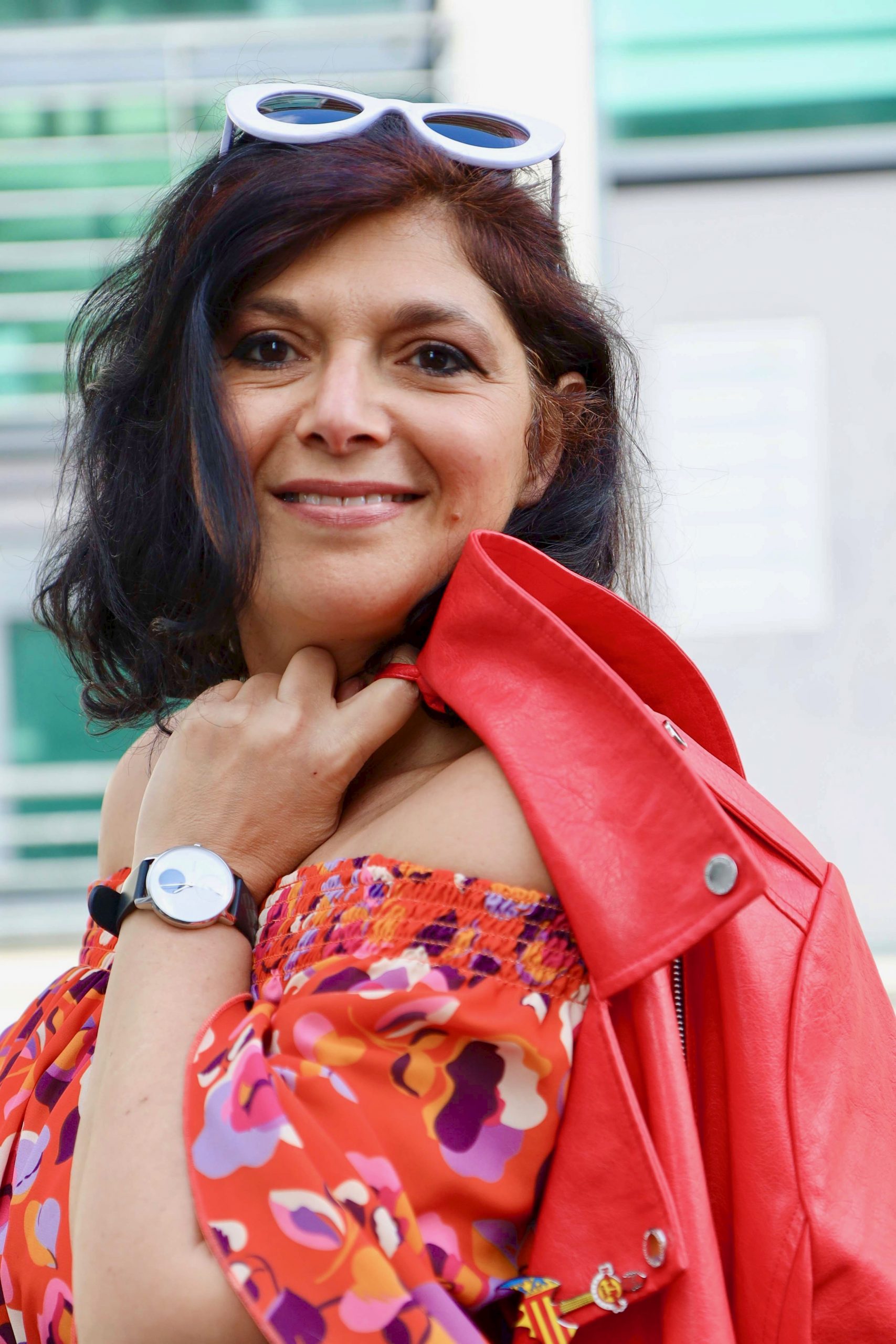
Monica Costa founded London Mums in September 2006 after her son Diego’s birth together with a group of mothers who felt the need of meeting up regularly to share the challenges and joys of motherhood in metropolitan and multicultural London. London Mums is the FREE and independent peer support group for mums and mumpreneurs based in London https://www.londonmumsmagazine.com and you can connect on Twitter @londonmums
