

When several people use the bathroom every morning and evening, the floor has to cope with more than the occasional splash. Water lands beside the bath, damp towels reach the floor, and muddy socks sometimes make it past the door before anyone notices. During winter, colder surfaces and closed windows also mean moisture takes longer to clear.
The right surface should tolerate regular cleaning, feel comfortable under bare feet and suit the amount of moisture the room receives. The condition of the subfloor and the quality of the fitting matter as much as the finish itself.
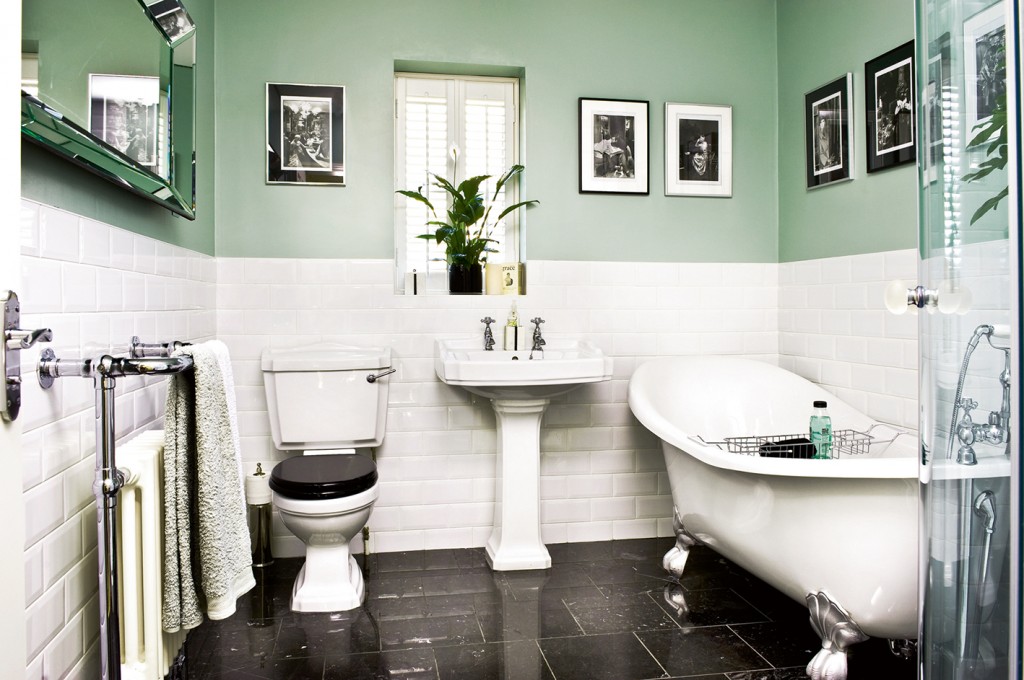
What Is the Best Flooring for a Bathroom Used Every Day?
In a bathroom used by several people every day, flooring for busy family homes has to cope with wet feet, regular cleaning and repeated wear. That puts bathroom-approved LVT high on the shortlist, provided the chosen range is suitable for the room and fitted according to the manufacturer’s instructions.
Comfort also matters when young children use the room. A hard surface may be easy to clean but less pleasant under bare feet on a cold January morning. Most families need a balance between moisture resistance, warmth, maintenance and cost rather than one material that performs best in every respect.
Why LVT and Sheet Vinyl Suit Daily Family Use
Luxury vinyl tile is a practical option when the chosen range is designed for bathroom use and fitted according to its instructions. Many bathroom-approved LVT ranges feel warmer underfoot than ceramic or porcelain tile. Wood, stone and patterned finishes also offer more design choice without the upkeep associated with the natural materials they reproduce.
LVT is installed in separate pieces, so the preparation beneath it and the treatment of joints and edges remain important. If joints or edges are poorly finished, water can reach the layer beneath the floor, particularly near the bath, shower or toilet. Check the exact range rather than assuming every LVT product is suitable for a bathroom.
Sheet vinyl offers many of the same practical benefits. In a small bathroom, one sheet may cover most or all of the floor with few joins. It is easy to wipe clean and can feel less cold than tile. Accurate cutting is essential around sanitary fittings and awkward corners, since gaps at the perimeter can let moisture reach the layer beneath.
When Ceramic and Porcelain Tiles Make Sense
Ceramic and porcelain tiles remain strong choices for bathrooms, especially where the household prefers a firm surface and wants a wide choice of colours, shapes and finishes. Once installed correctly, they tolerate regular cleaning and do not swell after ordinary splashes.
The tiled surface is only one part of the finished floor. Grout lines require cleaning and occasional maintenance, while cracked grout or damaged sealant around the bath can give water a route beneath the visible surface. Families should also check the slip rating of the chosen tile rather than assuming every textured finish offers the same grip.
Tiles can feel cold during winter, particularly in bathrooms without underfloor heating. Electric systems can add comfort underfoot in a small bathroom, while ceramic and stone tiles transfer heat efficiently, so the heating setup and floor finish should be planned together.
Which Materials Need More Careful Checking
Standard laminate should not be assumed suitable for a bathroom. Some manufacturers produce bathroom-rated or waterproof ranges, but the exact product must be chosen and installed for that setting. Ordinary laminate can swell at the edges if water reaches the core, especially around joints that have not been protected correctly.
Engineered wood also needs careful consideration. Check whether the exact range is suitable for bathrooms and follow the manufacturer’s moisture and fitting requirements. Families drawn to a timber appearance may find bathroom-suitable LVT or vinyl easier to maintain.
Why the Subfloor and Fitting Matter
Even a suitable bathroom product can fail when laid over a floor that is uneven, damp or unstable. The fitter should inspect the existing base before installation and decide what preparation is needed. This might include smoothing uneven areas, securing loose boards, dealing with movement, checking moisture levels or adding a suitable layer between the base and the finished floor.
Preparation becomes especially important with LVT because dips, ridges and damaged boards can show through or affect how individual pieces sit together. The correct adhesive or fitting system must match the product, the subfloor and the bathroom conditions.
Edges around the bath, shower, toilet and pipework also need close attention. These are the places where small fitting errors become visible first, while persistent damp in one area may point to water leaks rather than a problem with the surface itself. Ask how the perimeter will be finished and when the room can be used again after fitting.
How to Control Bathroom Moisture Through Winter
The floor finish is only one part of controlling moisture in a bathroom. It cannot correct a leak, weak ventilation or persistent condensation. Repeated steam and limited airflow can keep indoor humidity high, making condensation more likely on colder surfaces. Effective ventilation helps moisture escape before it condenses on walls, windows and other surfaces.
Run the extractor fan while the bath or shower is in use and leave it on for the recommended period afterwards. Where safe and practical, opening the window briefly also helps the room clear. Keep the bathroom door closed while the room is steamy so moisture does not move into colder parts of the home.
Standing water should be wiped up rather than left around the bath or basin. Hang bath mats and towels where air reaches them. If water or dark marks keep appearing in the same place, particularly near pipework, sealant or the toilet base, investigate the cause rather than assuming it is condensation.
For a family bathroom, the best flooring is the one that matches how often the room is used, how much moisture it receives and how well the subfloor can be prepared. Bathroom-suitable LVT and sheet vinyl offer a practical balance of warmth, easy cleaning and moisture resistance, while tile suits households that prefer a harder finish and are prepared to maintain the grout. Whichever option you choose, careful fitting, well-finished edges and good ventilation will play a major part in how well the floor performs through winter.

Monica Costa founded London Mums in September 2006 after her son Diego’s birth together with a group of mothers who felt the need of meeting up regularly to share the challenges and joys of motherhood in metropolitan and multicultural London. London Mums is the FREE and independent peer support group for mums and mumpreneurs based in London https://www.londonmumsmagazine.com and you can connect on Twitter @londonmums
