

It’s 2 a.m., and you’re exhausted, bleary-eyed, and rushing to prepare a bottle for your crying newborn. You rinse it quickly, hoping it’s clean enough, but is it? Most parents have been in this exact moment, and that nagging doubt about whether a bottle is truly clean is something no caregiver should have to live with.
For infants, especially those under three months old, premature babies, or immunocompromised newborns, improperly cleaned bottles aren’t just an inconvenience, they can be a genuine health hazard. Harmful bacteria like Salmonella and Cronobacter can thrive in bottles that aren’t thoroughly sterilized, leading to serious illness in vulnerable little ones.
Yet many parents unknowingly rely on cleaning methods that fall short of true sterilisation. A quick hand-wash or a standard dishwasher cycle may remove visible residue, but microscopic threats often remain. The solution lies in understanding which infant bottle cleaner actually delivers guaranteed sterilisation and how sterile storage practices lock in that cleanliness until feeding time. From automatic bottle washers that eliminate guesswork to smart post-cleaning storage habits, the right approach makes all the difference and gives parents the peace of mind they deserve.
The Critical Importance of Sterilization for Infant Bottle Hygiene
A newborn’s immune system is nowhere near fully developed, making everyday bacterial exposure a far greater threat than it would be for older children or adults. When bottles aren’t properly cleaned and sterilized, harmful microorganisms including Cronobacter sakazakii, E. coli, and Salmonella can multiply rapidly in milk residue left clinging to bottle walls, nipples, and vents. Even a small amount of contamination can trigger vomiting, diarrhea, fever, or more severe infections in infants who simply lack the biological defenses to fight back.
Health-conscious parents understand that visible cleanliness isn’t enough. A bottle can look spotless and still harbor dangerous bacteria in microscopic crevices. This is why guaranteed sterilization — not just washing — becomes a non-negotiable priority, particularly during the first three months of life or for babies born prematurely. The stakes are simply too high to leave hygiene to chance.
That peace of mind parents seek doesn’t come from scrubbing harder or hoping a dishwasher cycle does the job. It comes from using a reliable infant bottle cleaner designed specifically to eliminate pathogens at their source. Whether through steam, UV light, or high-temperature automated cycles, effective cleaning tools eliminate the guesswork entirely. Building a consistent sterilization routine around the right equipment is the most practical step any caregiver can take to protect their infant’s health from the very first feeding.
Types of Infant Bottle Cleaners: From Manual to Automatic
Manual Cleaning Methods: Basics and Limitations
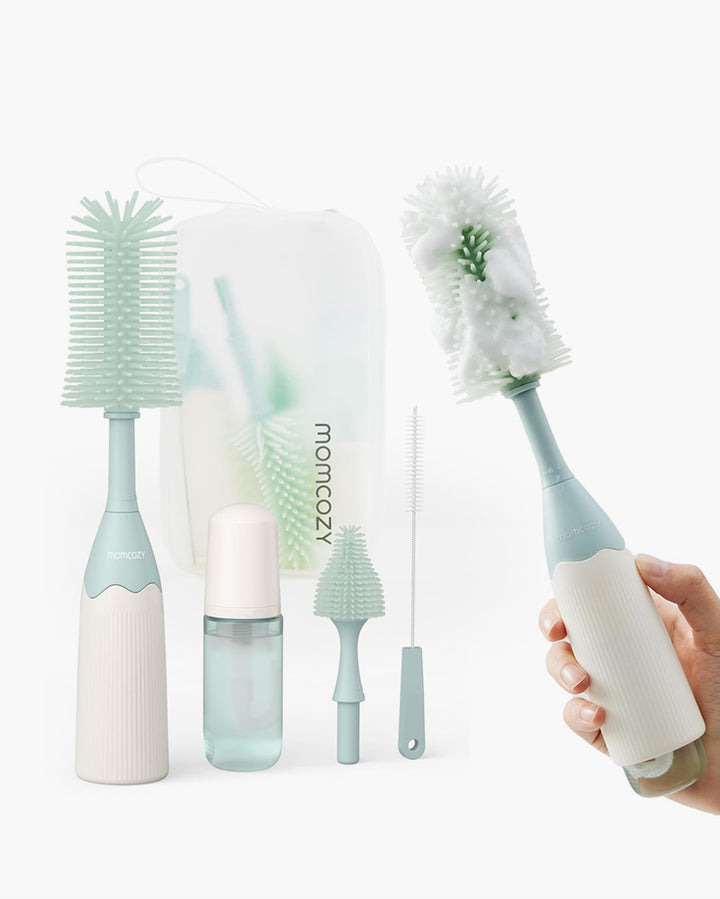
Hand-washing bottles involves rinsing immediately after feeding, scrubbing with a dedicated bottle brush and infant-safe detergent, then rinsing thoroughly under hot running water. While accessible and cost-free, manual cleaning is time-intensive and highly dependent on technique. Tired parents rushing through the process often miss milk residue trapped in nipple vents or narrow bottle necks — exactly where bacteria thrive. Even diligent scrubbing cannot guarantee sterilization, making human error a persistent and unavoidable risk with this approach.
Automatic Bottle Washers: Efficiency and Effectiveness
Automatic bottle washers eliminate the inconsistency of manual cleaning by delivering high-temperature wash cycles that kill pathogens every single time. These machines use pressurized hot water and, in many models, built-in drying functions that reduce moisture — a key factor in preventing bacterial regrowth after cleaning. For parents prioritizing sterile storage, an automatic washer creates a reliable foundation: bottles emerge consistently clean and ready for immediate sterilization or safe storage without handling-related recontamination.
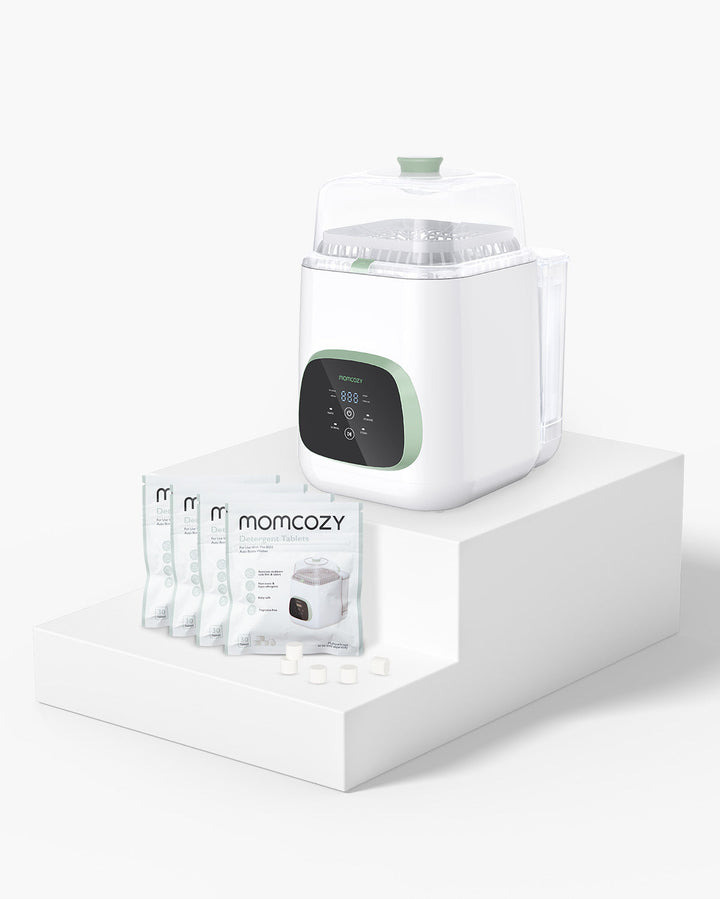
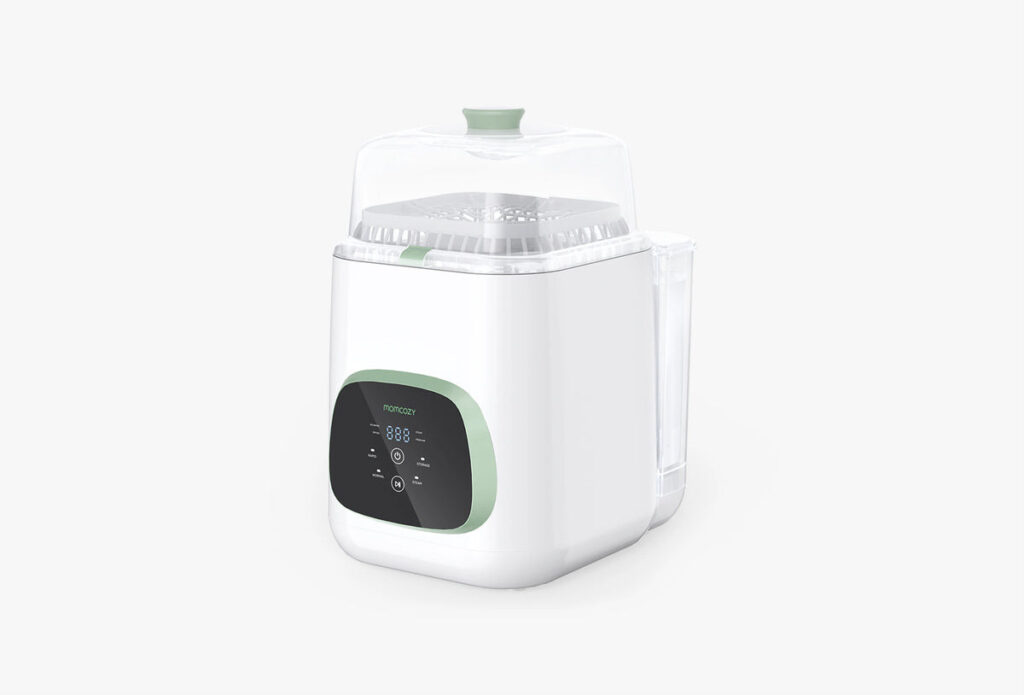
When selecting an automatic bottle washer, look for models with dedicated bottle spray jets designed to reach narrow interiors, a high-heat sanitize cycle exceeding 70°C, and a heated drying option. Compatibility with various bottle brands and nipple sizes matters too, as does a compact footprint for smaller kitchens. Brands like Momcozy, known for their focus on mother and infant care, have developed bottle-cleaning solutions designed with these practical demands in mind. These features collectively ensure that your infant bottle cleaner of choice doesn’t just wash — it genuinely sterilizes, giving every feeding a safe, contamination-free start.
Achieving Sterile Storage: Post-Cleaning Best Practices
Sterilizing a bottle means nothing if recontamination happens during storage. Once bottles are cleaned and sterilized, how they’re dried, handled, and stored determines whether that hygiene is preserved until feeding time. Moisture is the primary enemy — even a single droplet of standing water inside a bottle creates the perfect environment for bacterial regrowth. This is why air-drying on a dedicated, clean drying rack is far safer than towel-drying, which can introduce fibers and surface bacteria. Position bottles and nipples face-down on the rack to allow full drainage, and place the rack away from kitchen splatter zones like sinks and stovetops.
For parents who want an extra layer of protection, UV sterilizer storage units serve a dual purpose: they sterilize and store simultaneously, using ultraviolet light to neutralize bacteria on bottle surfaces continuously. Momcozy’s UV sterilizer options, for instance, are designed to accommodate a full set of bottles overnight, keeping them sterile and ready without requiring any additional handling. When UV sterilizers aren’t practical, airtight storage containers provide a reliable alternative — seal cleaned, fully dried bottles immediately after sterilization to prevent airborne contaminants from settling inside.
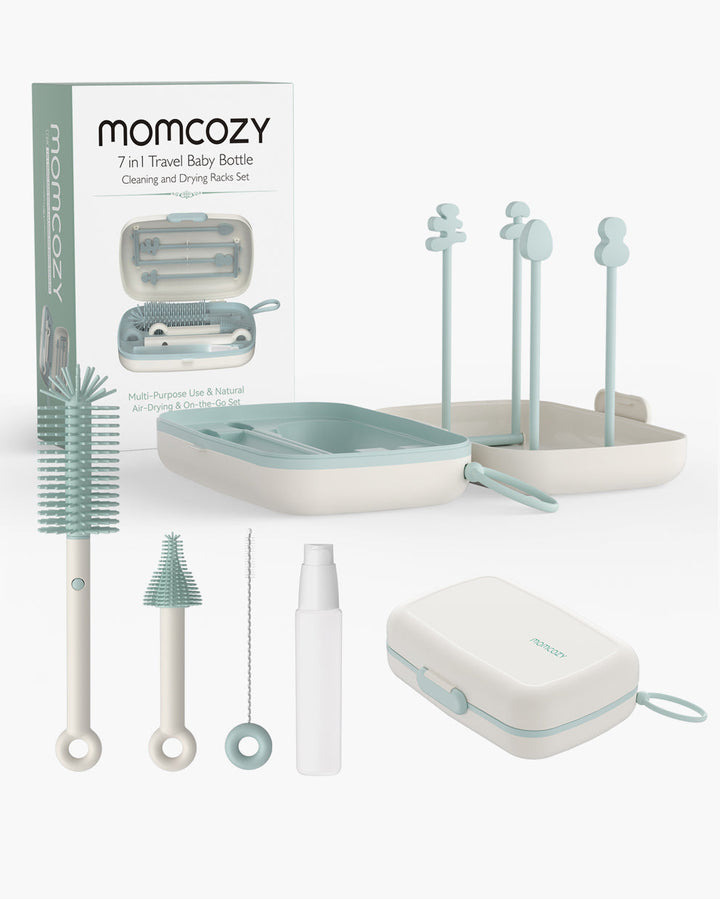
Incorporating sterile storage into your daily routine doesn’t have to be complicated. A simple approach works well: sterilize a full day’s supply of bottles in one session, transfer them directly to a UV storage unit or sealed container without touching the inner surfaces, and retrieve each bottle only at feeding time. Always wash hands thoroughly before handling sterilized equipment. Stored bottles should be used within 24 hours; if that window passes, re-sterilize before use rather than assuming they’ve stayed clean. These consistent habits transform sterilization from a one-time act into an unbroken chain of protection.
Step-by-Step Solution: Using the Best Infant Bottle Cleaner for Sterile Storage
Step 1: Selecting and Using an Effective Cleaner
Choosing the right infant bottle cleaner starts with verifying compatibility — your cleaner should work seamlessly with your bottle brands, including wide-neck and narrow designs. Opt for an automatic bottle washer with a sanitize cycle reaching at least 70°C, as this temperature threshold reliably eliminates common pathogens. Load bottles upside-down so spray jets reach interior surfaces directly. Run the full sanitize cycle without shortcuts, and never interrupt mid-cycle. Once complete, allow the heated dry function to finish entirely before removing any items, ensuring no residual moisture remains that could compromise sterilization.
Step 2: Implementing Sterile Storage Protocols
Once bottles exit the washer fully dry, handle them only by their exterior surfaces — avoid touching rims, nipple interiors, or any part that contacts milk. Transfer bottles immediately into a UV sterilizer storage unit or seal them inside airtight containers. Label each batch with the sterilization time, and commit to a strict 24-hour rule: any bottle unused within that window gets re-sterilized before feeding. Keep stored bottles away from humid areas like above the stove or near the sink. These disciplined steps close every gap between sterilization and feeding, creating an unbroken chain of protection for your infant.
Peace of Mind: How the Right Tools and Habits Ensure Safety
Parenting a newborn brings enough uncertainty without adding anxiety about whether each bottle is truly safe. When an automatic bottle washer handles the heavy lifting delivering consistent high-temperature sanitization regardless of the hour or how exhausted you are; that uncertainty disappears. There’s no second-guessing whether you scrubbed thoroughly enough or whether fatigue caused you to cut corners. The machine runs the same reliable cycle every time, removing human inconsistency from the equation entirely.
Pairing that reliable cleaning with disciplined sterile storage practices compounds the benefit. When bottles emerge from the washer dry and immediately sealed in UV storage units or airtight containers, they stay protected until the moment they’re needed. That unbroken chain of cleanliness, from wash cycle to feeding, is where genuine peace of mind lives. Parents aren’t just hoping the bottle is safe; they know it is, backed by a system designed to eliminate doubt.
The practical benefits extend beyond health assurance. Sterilizing a full day’s supply in one automated session saves significant time, reduces the mental load of repetitive manual washing, and frees caregivers to focus on what actually matters: their baby. Reliability builds confidence, and confidence reduces stress — a meaningful advantage during those demanding early months. Investing in the right infant bottle cleaner and storage routine isn’t just about hygiene; it’s about creating a calmer, more manageable caregiving experience from the very first feeding to the last.
Safe Feeding Starts with the Right System
Every feeding is an opportunity to protect your infant’s health — and that protection begins long before the bottle reaches their lips. Proper sterilization isn’t optional for newborns and vulnerable babies; it’s a fundamental safeguard against the bacterial threats that thrive in improperly cleaned equipment. As we’ve explored, the gap between a visibly clean bottle and a genuinely sterile one is where illness quietly takes hold.
Modern solutions make that gap easy to close. Automatic bottle washers deliver consistent high-temperature sanitization that no amount of manual scrubbing can reliably replicate, while disciplined sterile storage practices — UV units, airtight containers, and strict 24-hour protocols — ensure that cleanliness holds from wash cycle to feeding time. Together, these tools and habits create an unbroken chain of protection that manual methods simply cannot guarantee.
Choosing the best infant bottle cleaner isn’t about chasing the most expensive gadget on the market. It’s about finding a reliable system that fits your routine and removes doubt from the equation entirely. When that system is in place, the 2 a.m. bottle prep becomes one less thing to worry about. Adopt these practices, stay consistent, and give both yourself and your baby the peace of mind that comes from knowing every feeding is as safe as it can possibly be.

Monica Costa founded London Mums in September 2006 after her son Diego’s birth together with a group of mothers who felt the need of meeting up regularly to share the challenges and joys of motherhood in metropolitan and multicultural London. London Mums is the FREE and independent peer support group for mums and mumpreneurs based in London https://www.londonmumsmagazine.com and you can connect on Twitter @londonmums
