

A tattoo that looked exciting at 19 can feel like a completely different story by 35. Laser removal has gotten faster and more effective over the past decade, but the process still trips people up in predictable ways. Most of the frustration and disappointment that comes with removal traces back to a handful of avoidable errors, and knowing them ahead of time can save months of wasted treatment and unnecessary discomfort.
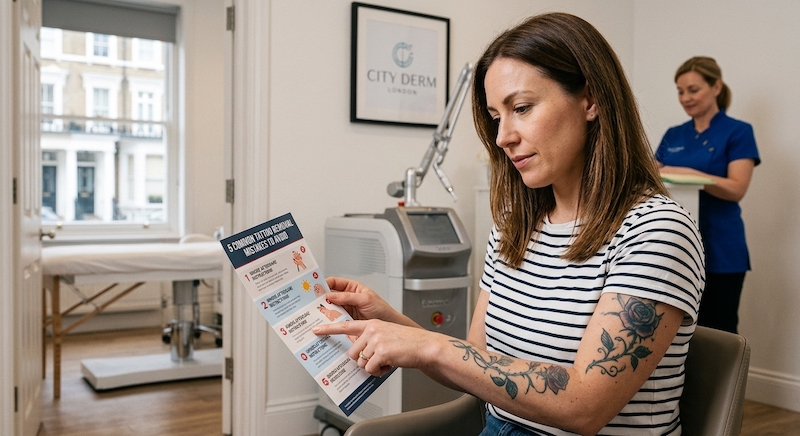
Choosing a Provider Based on Price Alone
A discounted removal session might look like a bargain until it results in scarring, uneven fading, or a tattoo that simply won’t budge after a dozen sessions. Laser removal depends heavily on the equipment used and the skill of the person operating it. Older machines or poorly calibrated lasers can leave pigment trapped in the skin or cause burns that take longer to heal than the tattoo itself would have taken to fade.
Ask what kind of laser a clinic uses before booking anything. Q-switched and picosecond lasers are the current standard because they break down ink particles more efficiently and with less damage to surrounding tissue. A provider that can’t answer basic questions about their equipment or technician training is a red flag, regardless of how attractive the price looks.
Skipping the Consultation and Skin Assessment
Every tattoo removes differently depending on ink colour, depth, layering, and the client’s skin tone. A rushed booking that skips a proper consultation often leads to a treatment plan that doesn’t match the actual tattoo. Black ink responds well to most lasers, but greens, yellows, and light blues require different wavelengths and sometimes more sessions.
A thorough consultation should include a look at your skin type, a discussion of your medical history, and realistic expectations about how many sessions you’ll likely need. Melbourne’s leading tattoo removal clinic builds this assessment into the first visit precisely because it changes the entire treatment plan, not just the price quote. Walking into a session without this step means guessing at a process that works far better with actual planning.
Ignoring Aftercare Instructions
The days immediately following a session matter almost as much as the treatment itself. Skin that’s been hit with a laser is essentially a mild wound, and treating it like nothing happened invites blistering, infection, or pigment changes that weren’t part of the plan. Sun exposure is one of the biggest culprits, since UV rays can cause hyperpigmentation on skin that’s already inflamed.
Basic aftercare isn’t complicated, but it does require consistency. Keeping the area clean, avoiding direct sun for several weeks, skipping the gym for a day or two, and resisting the urge to pick at any scabbing all make a measurable difference in how well the skin recovers. Clinics typically hand out written aftercare sheets for a reason, and ignoring them undercuts the results of an otherwise well-done session.
Expecting Instant Results
Tattoo removal is gradual by design. The laser breaks ink into smaller particles that the body’s lymphatic system clears out over the following weeks, which means visible fading happens between sessions, not during them. Older or heavily saturated tattoos might need eight to fifteen sessions spaced six to eight weeks apart before they’re fully gone.
Impatience causes two common problems. Some people quit after two or three sessions because they don’t see the same fading a friend got from a smaller, simpler tattoo. Others push for treatments closer together than recommended, which increases the risk of skin damage without actually speeding up the ink breakdown. The body needs that recovery window between sessions to do its part.
Trying to Speed Up the Process with Home Remedies
Search engines are full of removal creams, at-home devices, and DIY fading methods that promise shortcuts. Almost none of them work, and several can actively harm the skin. Creams marketed for fading ink rarely penetrate deep enough to reach the pigment, which sits below the epidermis, and some contain acids strong enough to cause chemical burns without touching the tattoo at all.
Sessions with a trained provider using medical-grade lasers remain the only method with real clinical backing. Spending money on unproven products often just delays the actual removal process while adding an extra layer of skin irritation to deal with once real treatment starts.
Getting the Process Right From the Start
Removing a tattoo successfully comes down to patience, a qualified provider, and a willingness to follow the plan laid out during the consultation. Avoiding these five mistakes won’t make the process instant, but it will make it predictable, which is really what most people want when they commit to removal. A clear treatment timeline, proper aftercare, and realistic expectations turn what could be a frustrating year into a straightforward series of appointments with visible progress at each step.

Monica Costa founded London Mums in September 2006 after her son Diego’s birth together with a group of mothers who felt the need of meeting up regularly to share the challenges and joys of motherhood in metropolitan and multicultural London. London Mums is the FREE and independent peer support group for mums and mumpreneurs based in London https://www.londonmumsmagazine.com and you can connect on Twitter @londonmums
