

Ecuador packs four distinct ecosystems into a country roughly the size of Nevada, which means you can stand on a glacier-capped volcano in the morning and wade through Amazon rainforest by nightfall. That geographic compression is exactly what makes it such a productive place to travel: short distances, dramatic payoffs. Here are eight activities that make the most of what the country offers, from the highlands to the islands.
Explore the Historic Center of Quito
Quito’s Centro Histórico is the largest, least-altered historic center in Latin America, and UNESCO named it a World Heritage Site back in 1978 for good reason. Wander past the gold-leaf interior of La Compañía de Jesús church, then climb to the Basílica del Voto Nacional, where you can walk out onto the roof and look over red-tiled rooftops toward the surrounding volcanoes. Plaza Grande and the surrounding streets are packed with colonial-era architecture that’s still in daily use, not roped off as a museum piece.
Give yourself at least half a day here, and go on foot. Quito sits at 9,350 feet, so pace yourself on the hills and drink more water than usual.
Hike or Bike the Avenue of the Volcanoes
South of Quito, the Panamerican Highway cuts through a corridor Alexander von Humboldt nicknamed the Avenue of the Volcanoes. Cotopaxi, one of the world’s highest active volcanoes at 19,347 feet, anchors the route, and its national park offers hikes to the José Ribas refuge at nearly 15,000 feet for those acclimatized enough to handle the altitude. Less strenuous options include biking downhill from the parking area or hiking around Laguna Limpiopungo, a shallow lake ringed by páramo grassland.
Chimborazo, Ecuador’s tallest peak, is technically the point on Earth farthest from its center due to the planet’s equatorial bulge. Guides in nearby Riobamba can arrange day hikes or full climbs depending on experience level.
Visit the Otavalo Market
Every Saturday, the town of Otavalo hosts one of the largest indigenous markets in South America, and it has been running in some form since pre-Incan times. Vendors sell wool sweaters, tapestries, leather goods, and jewelry across a sprawl of streets centered on the Plaza de los Ponchos. Arrive early, before 9 a.m., to see the animal market on the edge of town, where livestock trading still follows old rhythms.
Bargaining is expected but should stay friendly. A modest discount, not a rock-bottom price, is the realistic goal here.
Zip Through the Cloud Forest at Mindo
Mindo sits about two hours northwest of Quito, tucked into a cloud forest that shelters more than 500 bird species, including dozens of hummingbird varieties. Ziplining is the big draw for adrenaline seekers, with cables strung across canyons that offer views straight down into the forest canopy. Beyond the zip lines, tubing down the Mindo River and visiting butterfly farms round out a full day.
Birdwatchers should book a guide for early morning walks, since most species are active before 8 a.m. and go quiet as the day heats up.
Snorkel or Dive in the Galápagos Islands
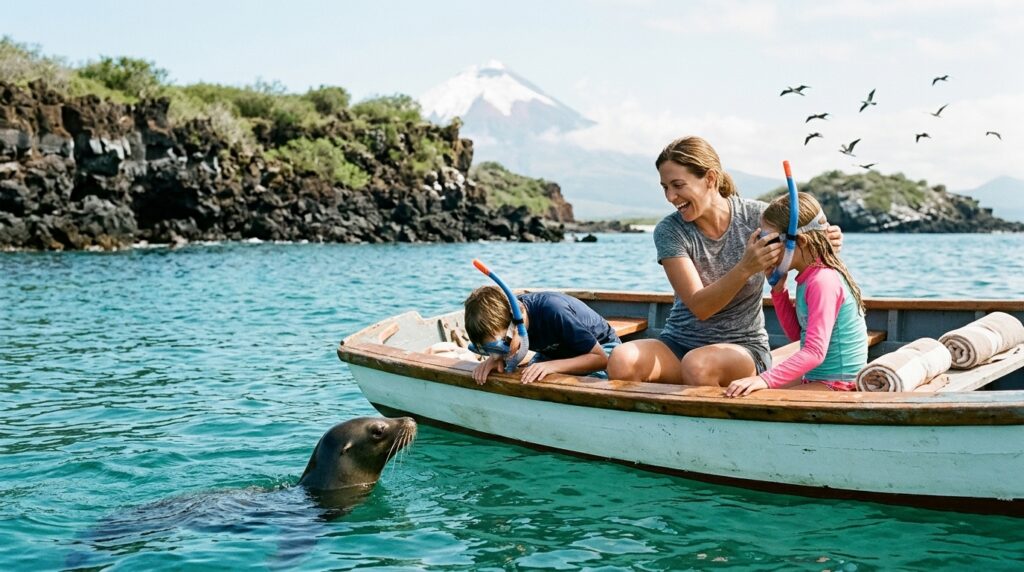
The Galápagos remain the country’s signature destination, and no amount of prior reading fully prepares visitors for swimming alongside sea lions or watching a marine iguana dive for algae. Islands like Santa Cruz, Isabela, and San Cristóbal offer day-trip access to snorkeling sites teeming with reef sharks, sea turtles, and colorful fish. Land-based touring, where visitors stay in a hotel and take day boats out, tends to cost less than a live-aboard cruise while still covering most of the highlights.
Advance planning matters here. Permits, park fees, and limited lodging mean booking several months out, especially for July through September and December through January.
Ride the Devil’s Nose Train
Near the town of Alausí, the Nariz del Diablo railway climbs a nearly vertical rock face using a series of switchbacks engineered in the early 1900s. The train was originally built to connect the highlands to the coast, and the section around the Devil’s Nose remains one of the most impressive stretches of railway construction in South America. The round trip takes about two hours and includes stops with views straight down the canyon walls.
Seats sell out on weekends, so buying tickets a day or two ahead is worth the effort.
Surf or Relax on the Pacific Coast
Ecuador’s coastline gets overlooked next to the Galápagos, but towns like Montañita and Canoa offer consistent surf and a slower pace. Montañita draws a younger, party-oriented crowd, while Canoa stays quieter with wide beaches good for long walks. Whale watching season runs from June through September, when humpbacks migrate along the coast near Puerto López.
For travelers looking to settle into one spot for a few days rather than move between hotels, browsing Ecudaor vacation rentals can turn up beachfront houses and apartments at a fraction of resort pricing, with kitchens that make it easy to shop at local markets instead of eating out every meal.
Explore the Amazon Basin
Ecuador’s Amazon region, often called the Oriente, offers river access to the rainforest without the multi-day travel required in Brazil or Peru. Lodges near Tena or Coca arrange trips to spot pink river dolphins, caimans, and troops of squirrel monkeys, along with visits to indigenous communities who explain traditional uses of rainforest plants. Multi-day stays give a better sense of the ecosystem than a single day trip, since much of the wildlife activity happens at dawn and dusk.
Pack light, breathable clothing, a strong insect repellent, and a dry bag for camera gear.
Planning the Trip
Ecuador’s small size is the real advantage here: it’s possible to combine highlands, coast, and rainforest into a two-week trip without exhausting internal flights or long bus rides. Anchor a plan around one or two of these activities that matter most, then build the rest of the itinerary around travel logistics rather than trying to force in everything at once.

Monica Costa founded London Mums in September 2006 after her son Diego’s birth together with a group of mothers who felt the need of meeting up regularly to share the challenges and joys of motherhood in metropolitan and multicultural London. London Mums is the FREE and independent peer support group for mums and mumpreneurs based in London https://www.londonmumsmagazine.com and you can connect on Twitter @londonmums
