

There are some voices that don’t just define an era – they travel through it, gathering new stories, new layers, and new reasons to sing. Clare Grogan, the forever-energetic front-woman of Altered Images, is one of those voices. From the chaotic, thrilling birth of punk in Glasgow to the bittersweet reflections of motherhood, her journey has been anything but a straight line.
Tickets available via: http://alteredimages.band/
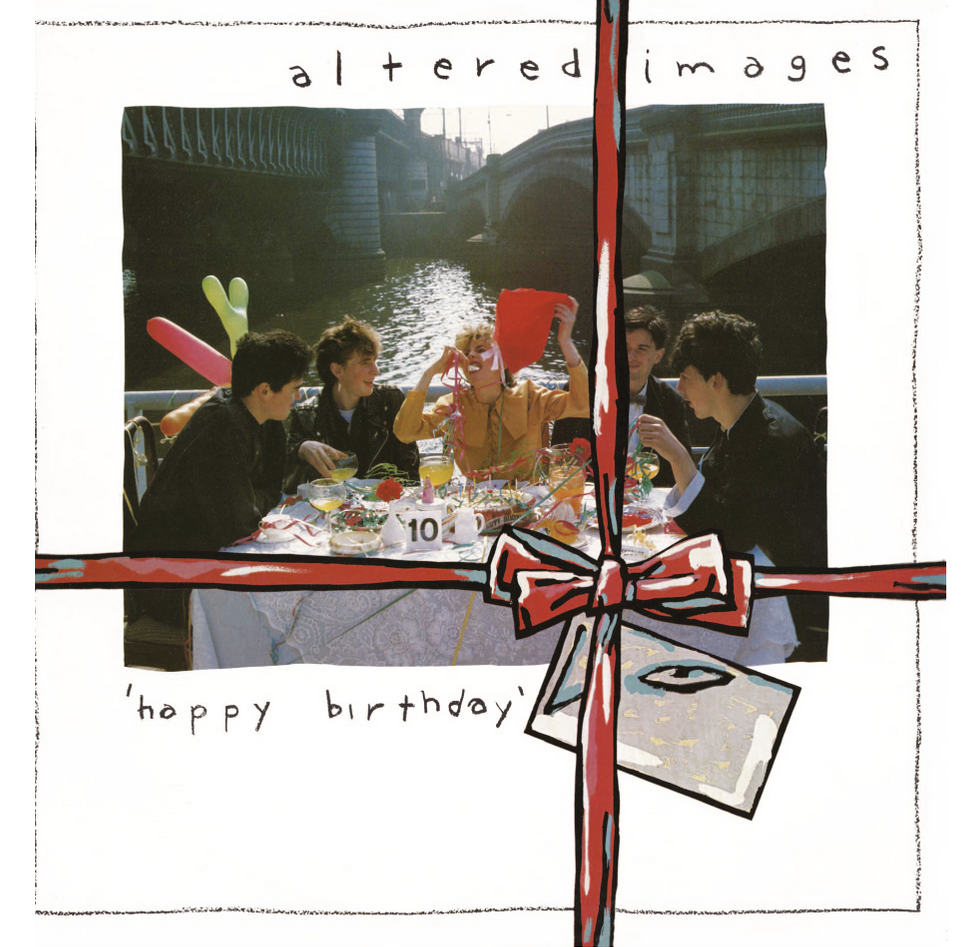
Ahead of Altered Images’ highly anticipated Happy Birthday tour this September, I sat down with Clare to talk about what happens when the girl who was “loud and a bit out there” grows up – without ever growing out of it. We discussed how the Glasgow scene shaped her, the subtle ways the music industry tried to quiet her, and the beautiful, unexpected moment her daughter inspired her to find her way back to the beginning.
She might be celebrating a Happy Birthday, but as you’ll soon read, Clare Grogan is still very much the punk she always was. She just has a lot more to say about it now.
Monica Costa: It’s so nice to meet you. Are you very excited to go back on the road with your old mates?
Clare Grogan: Well, that’s not quite how it’s working. The original band – I haven’t performed with them for many years. But I have been working with my own band, my own Altered Images, for 20 years now. So my Altered Images has actually lasted longer than the original Altered Images! I’m grateful for both experiences of the life, I really, really am. We’ve been touring and doing festivals, going around the country and Europe for a while now, and it’s great fun. But what I haven’t done since it came out is perform some of the songs from the Happy Birthday album, which we’re touring with in September.
Monica Costa: You started out as a bit of a punk artist, and I love punk – it’s my generation too. Punk was never just about the music, it was about refusal. So what were you refusing when you first stepped on that stage?
Clare Grogan: To conform. To be expected to be a certain way just because I was a girl. I absolutely adored Siouxsie and the Banshees, Poly Styrene, The Slits, The Bodysnatchers, these women. Debbie Harry. These women absolutely spoke to me in a massive way. I think that was the beauty of punk. Pre-punk, there were women artists I hugely admired, but I didn’t necessarily relate to them on a personal level – I was too young as well, don’t get me wrong – and it all seemed a bit showbiz. But when punk came along, it opened it up to everybody. I loved that idea. You didn’t have to be a certain type of person to be in a band. You didn’t have to be Californian, for example. You could come from Glasgow and make it happen. That’s exciting.
Monica Costa: Talking of Glasgow, in your early days there, was punk an escape, a confrontation, or just a homecoming?
Clare Grogan: I think it was a massive sort of rebellious act against our parents, to a certain extent. We were rebels without a clue, don’t get me wrong. But there was something about saying, “We’re young and this is how we want to identify, this is what we want to identify with.” And it’s chaos, really. I loved that. I loved the idea of being that because I suppose I was a bit of a goody-two-shoes in many ways. And then suddenly I experienced this moment of thinking, “Oh gosh, I’m not the goody-two-shoes I thought I was.”
Monica Costa: You emerged in a scene that was raw, male-dominated, and uncompromising. Did you feel you had to be louder, sharper, or more defiant to claim your space?
Clare Grogan: I was really bolshie when I first started out. On one level, this is kind of contradictory – I was a wee sister with two gorgeous big sisters who I still love and hang out with, they were a big part of my life, but I was trying to find my own space in the world. Getting noticed was important to me. Suddenly people were going, “Oh, she’s the wee sister, but look what she’s doing.” I only see that in hindsight now – I wasn’t consciously trying to do that, that wasn’t my motivation, but when I look at it now, I think I was just trying to be a standalone Grogan for a moment. And I loved it. I was loud and a bit out there, but I wasn’t looking for trouble. The first feminist I ever came across was my mother. I don’t think she even knew what the word feminist meant necessarily, but she brought me up to know that girls count, girls have a place everywhere and anywhere, and don’t let anyone tell you they don’t. She was one of six sisters and a brother; her father died when they were really young, so it was up to the older sisters to bring up the family. I think that influenced me enormously – that anything was possible. I would say though, as it progressed and success happened, I did question myself more and more.
Monica Costa: That’s interesting, and it’s part of growing up, isn’t it? Pushing boundaries and then reflecting. The music industry looks tough. Did you ever feel pressure to soften your image or conversely to exaggerate your toughness?
Clare Grogan: It’s subtle. The industry has this subtle way of conspiring to take away your confidence. Particularly in the 80s, the press were superstars almost, so they had power. They had the power to make you feel great with a brilliant review and then just cut you right down to size. And then the record label… I was being pulled in a lot of different directions. I don’t think I had it as hard as some people, but it definitely got to me. It really, really did. It stifled me. There was a long period where I almost became afraid to sing. So a lot of this for me in recent years has been about reclaiming it all back to a good place, a really positive place.
Monica Costa: Your music has always balanced sweetness with steel. Is that contrast deliberate, or is it just who you are?
Clare Grogan: I’ve really put thought into it. When I first started song-writing all those years ago, I thought, “I’m not a songwriter,” but I knew I had to come up with something. I really like the idea of a lot of old-fashioned nursery rhymes being these little dainty songs about very dark things that you’re not really aware of on the surface. When I first started song-writing, I took that approach. I liked the idea of it all being a bit sweet, but subtly making my message clear – you know, “leave me alone,” “love and kisses” – they’re all about not being pushed around. And then when I wrote the last album with my husband, Bernard Butler, and Robert Hodgens, a lot of it was inspired by my daughter. When I wrote that album, she was the same age I was when I was travelling about in the back of transit vans going to gigs. Poor Ellie was upstairs in her bedroom not allowed to go out because of Covid. It made me go back to who I was then, that sense of freedom I carved for myself. And it made me really sad about what was going on with Ellie. So there was this bittersweet thing going on.
Monica Costa: I like talking to people from your era because I belong to that generation too. We’ve crossed so many changes – technology, world dynamics, and how women are viewed. Your music reflects those changes. What still gives you that jolt, the same electricity you felt in the early days?
Clare Grogan: Honestly, the audience. The reaction. People love the show. A lot of people, when they come to see it again for the first time after a big gap, they’re not quite sure what to expect. And I think we bring an energy that is really infectious. Of course, nostalgia plays a part, but it’s also about saying we’re still these people. We still have this in us – this great energy, this ability to just shake off our troubles and have a good time. When I look out at the audience, I know they’ve all been through some serious shit, because we all have. You do not get to 63 without life being a rollercoaster. But for that evening, or that afternoon, they are willing to just go, “I remember who I am.” And I love that.
Monica Costa: If you could send one uncompromising message to a young woman picking up a guitar today, what would it be?
Clare Grogan: There’s two messages. One is work hard, and remain true to yourself.
Monica Costa: Love that. Snappy, but everything’s in there. And if someone told you punk is over, what would you say back?
Clare Grogan: Never. Never. It’s a spirit that belongs to all ages, all decades. It’s universal. If you’re not willing to accept the way things are, then you’re a punk, in my opinion. I think there’s a lot out there.
Monica Costa: I hope there will be more punk spirit. Not necessarily with spikes in their heads – that look has mostly gone, though you still see it in Camden Town. But the spirit, as you say. We hope that spirit continues, because without it we’re done. We’re fried. It’s felt very close to that recently, sometimes.
Clare Grogan: I know. I know.
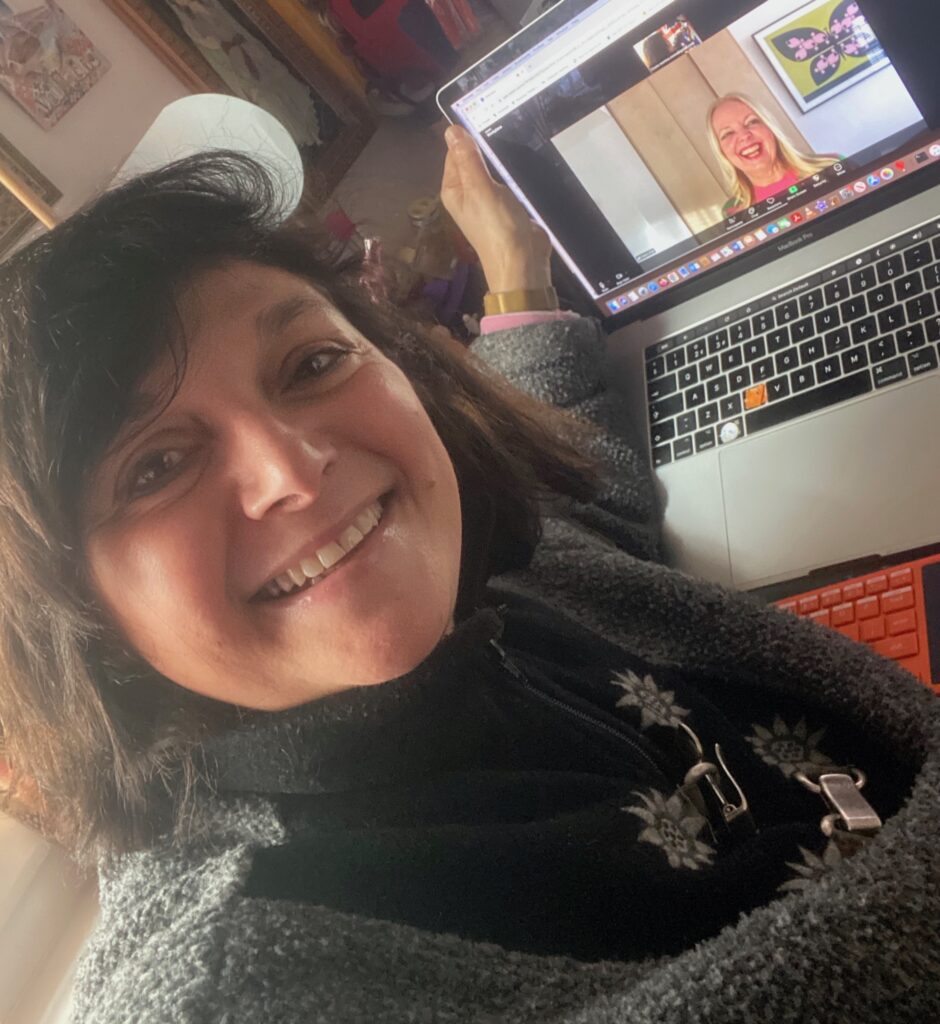
Monica Costa: That’s exactly what I mean. I think I’ve got enough material. You’re great, your music is very inspiring. I can relate to it. Let’s take a little photo together, like a selfie… I’m not very good at this!
Clare Grogan: I can’t see… Done? You look great, you look great!
Monica Costa: It’s a bit funny, but yes! I hope you come to one of the shows.
Clare Grogan: When is the London show happening?
Monica Costa: The 5th of September in Islington. Have a lovely tour!
Clare Grogan: Thank you so much. I love talking to you.
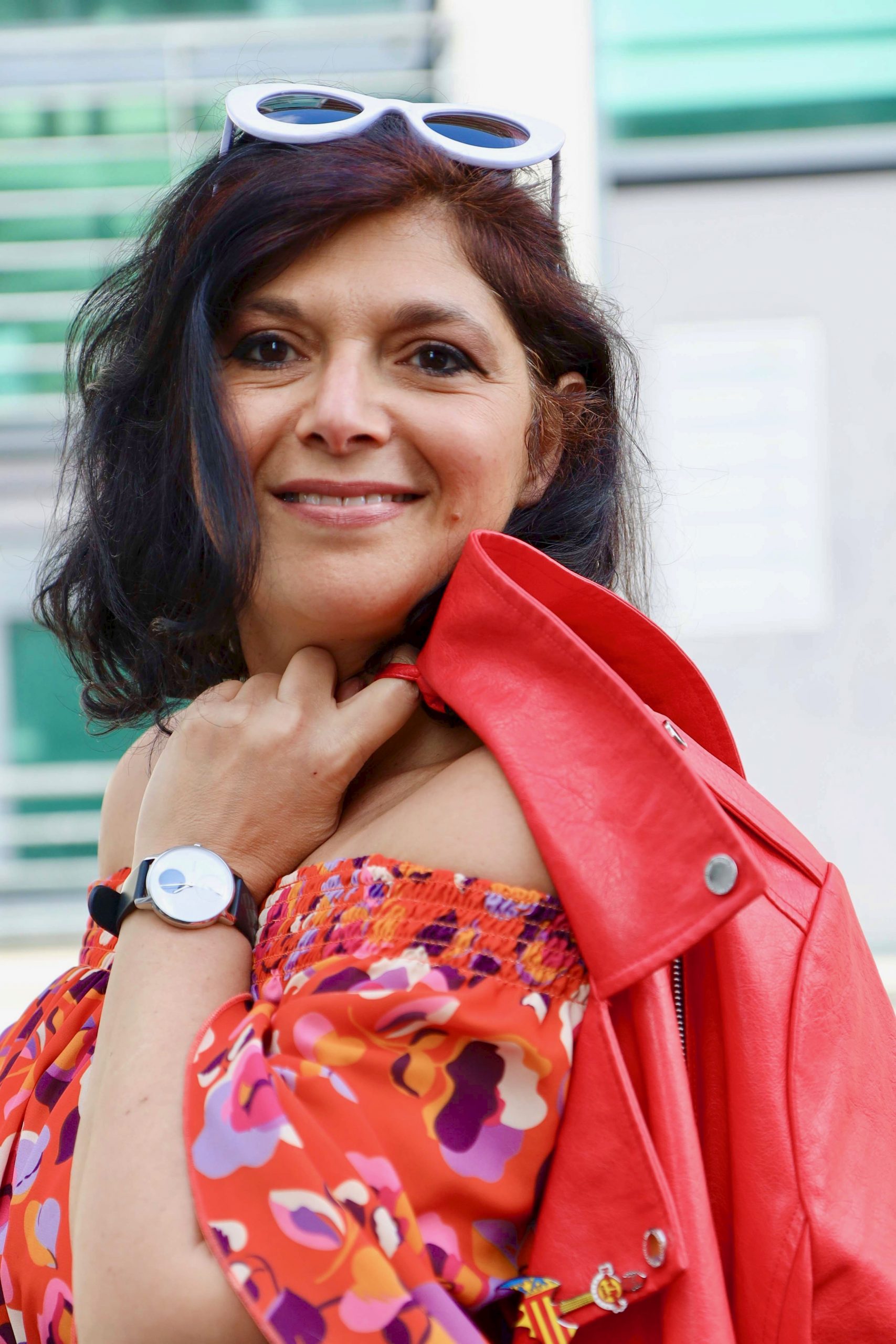
Monica Costa founded London Mums in September 2006 after her son Diego’s birth together with a group of mothers who felt the need of meeting up regularly to share the challenges and joys of motherhood in metropolitan and multicultural London. London Mums is the FREE and independent peer support group for mums and mumpreneurs based in London https://www.londonmumsmagazine.com and you can connect on Twitter @londonmums
