

Some films you watch. Others you sit with. And then there are films like Elisa – the kind that follow you home, settle into your bones, and refuse to leave.
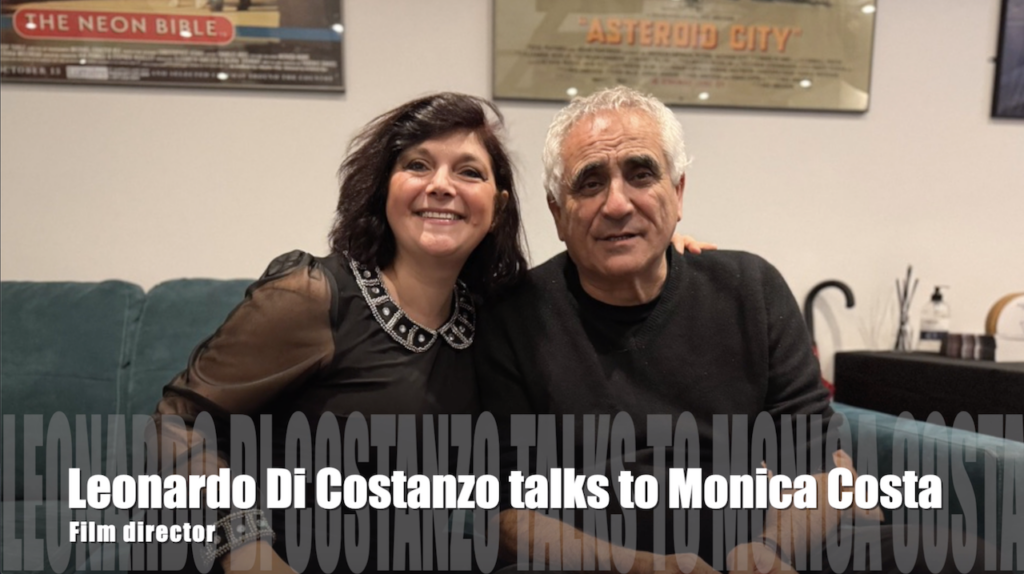
I had the privilege of watching Leonardo Di Costanzo’s latest film at the BFI Southbank on 7 March 2026, as part of the glorious Cinema Made in Italy festival. But here’s the thing that still makes me the day after: I didn’t just watch the film. I got to sit down with the man himself afterwards.
Yes, your favourite Italian-Mum-on-a-mission interviewed director Leonardo Di Costanzo, and we chatted about the real tragedy behind this intense, unflinching drama. And when I say “chatted,” I mean I tried very hard to be a professional journalist while my brain was still processing what I’d just seen on screen.
Spoiler: I mostly succeeded. Mostly.
The story: A woman, a crime, a void
Let me set the scene for you.
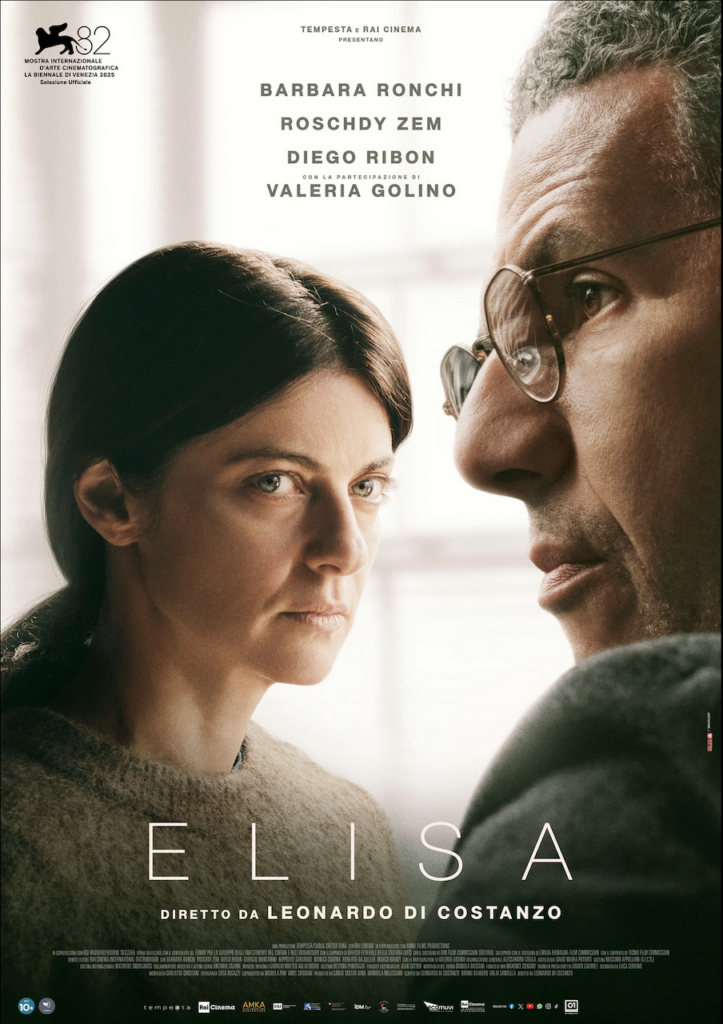
Elisa Zanetti (played by the extraordinary Barbara Ronchi who also stars in one of my favourite Italian crime series, Imma Tataranni) is 35 years old and has spent the last decade in prison. Her crime? She killed her older sister and burned her body. No apparent motive. No explanation. Just silence.
For ten years, Elisa has claimed she remembers almost nothing of that day. She’s been a ghost in her own life, visited regularly by her father (Diego Ribon) – the only family member who hasn’t abandoned her – but otherwise locked inside herself as surely as she’s locked inside the Moncaldo prison.
Then Professor Alaoui (Roschdy Zem) arrives. He’s a famed criminologist specialising in family crimes, invited to the prison as a guest lecturer. And Elisa, for reasons she probably couldn’t explain, agrees to participate in his research.
What follows is a series of conversations – painful, halting, sometimes unbearable – as Elisa begins, for the first time, to remember. To confront. To feel the weight of what she did.
What makes it extraordinary: The silence between words
Here’s the thing about Leonardo Di Costanzo’s films: they breathe. They take their time. And in an age of TikTok attention spans and Michael Bay explosions every three minutes, that’s either going to frustrate you or transport you.
Elisa is a slow film. Deliberately, unapologetically slow. But here’s the secret – it’s the right pace for a story like this. You can’t rush guilt. You can’t hurry redemption. And you certainly can’t fast-forward through the process of a woman rediscovering her own monstrousness.
Di Costanzo, who began his career as a documentarian, brings that patient, observational eye to every frame. His previous films – The Interval, The Intruder, The Inner Cage – have all explored themes of confinement, whether physical or emotional. With Elisa, he goes deeper, into the prison of the self.
When we chatted after the screening, he told me something that stuck: “I was less interested in the crime itself than in the inner journey of the perpetrator.” And that’s exactly what the film delivers. Not a whodunnit – we know she did it from the opening frames – but a whydunnit, and more importantly, a howdoesthepersonwhodunnitlivewiththemselvesafterwardsdunnit.
The setting: Prison, swiss-style
Here’s a detail that made me laugh despite the heavy subject matter. The prison where Elisa is housed isn’t your conventional jail with iron bars and grim cells. It’s a “correctional rehabilitation” facility in Switzerland, which apparently means the inmates live in adorable wooden chalets, wander freely around forested Alpine grounds, and seem to be provided with complimentary muffins.
Honestly, I’ve stayed in Swiss holiday rentals that were less appealing.
Di Costanzo makes the most of this setting, shooting with a wide, generous aspect ratio that contrasts the open, beautiful landscapes with the claustrophobic interiority of Elisa’s mind. It’s a visual reminder that you can be free in body but imprisoned in spirit – and vice versa.
Luca Bigazzi’s cinematography deserves a special mention here. The man knows how to frame a face, how to let silence speak, how to make you feel the weight of a glance.
The performances: Ronchi’s revelation
If you don’t know Barbara Ronchi’s work, Elisa will introduce you properly. She’s been quietly building an impressive career (you might remember her from Settembre or The Hummingbird), but this feels like a breakthrough.
Her Elisa is a study in contradiction. Quiet but not meek. Removed but not cold. When she finally breaks down – and she does, spectacularly – it’s not a cinematic meltdown with dramatic music and tears perfectly framing her face. It’s ugly. Real. The kind of crying that makes you look away because you feel like you’re intruding.
One critic I read complained that “just because someone committed a homicide doesn’t make them interesting.” To which I say: you missed the point entirely. Elisa isn’t meant to be “interesting” in the conventional sense. She’s meant to be human – flawed, damaged, capable of terrible things, and still worthy of our attention.
Roschdy Zem, as Professor Alaoui, provides the perfect counterbalance. His approach is clinical but not cold, professional but genuinely curious. He’s not there to judge Elisa but to understand her – and through that understanding, to help us understand too.
And then there’s Valeria Golino. Yes, that Valeria Golino, popping up in a fiery cameo as the mother of a murdered son. She’s part of the audience attending Alaoui’s lectures, and her presence is a reminder of something crucial: the victims’ families are always there, even in stories about perpetrators. Her scene is brief but devastating – a woman whose grief has hardened into something sharp and unyielding.
The real story behind the film
Here’s what I learned from Di Costanzo during our chat.
Elisa is loosely inspired by Io volevo ucciderla (“I wanted to kill her”), a book by criminologists Adolfo Ceretti and Lorenzo Natali based on their studies and conversations with real criminals. The film doesn’t adapt a specific true crime but rather draws on the process of these conversations – the slow, painful work of getting someone to confront what they’ve done.
Di Costanzo wanted to explore “the complexity of a figure capable of pain, coldness, manipulation, and ultimately a very human desire to be heard.” He told me he hopes the film “raises questions rather than offers answers” and inspires “the same ethical and emotional disorientation that guided my gaze while writing and directing.”
Did it work? Absolutely. I left the cinema with more questions than answers – about guilt, about forgiveness, about whether some acts are simply unforgivable. About what I would do if someone I loved did something unthinkable. About whether any of us really know what we’re capable of.
The London Mums verdict
Right, let’s get practical. Is Elisa for everyone?
No. Absolutely not.
If you want a light evening out, a bit of escapism, something to chat about over dinner afterwards, this is not your film. Elisa is heavy. It’s intense. It sits with discomfort rather than resolving it. There are no easy answers, no cathartic moments of forgiveness, no tidy endings.
But if you’re willing to go on that journey – to sit in the darkness with a woman confronting her own monstrosity – it’s profoundly rewarding. It’s the kind of film that makes you think about it days later. Weeks later. The kind you recommend to friends with a warning: “It’s not easy, but it’s worth it.”
And for anyone interested in Italian cinema, in women’s stories, in the messy complexity of human emotion? It’s essential viewing.
What’s next for Elisa
The film had its world premiere in competition at the 82nd Venice International Film Festival on 4 September 2025, where it was nominated for the Golden Lion.
UK release dates are still TBC, but keep an eye on Rai Cinema International Distribution for updates. I’ll update this review as soon as I know more.
Elisa screened at the Cinema Made in Italy festival 2026 at BFI Southbank. A huge thank you to Leonardo Di Costanzo for his time and insights, and to the festival team for making it happen.
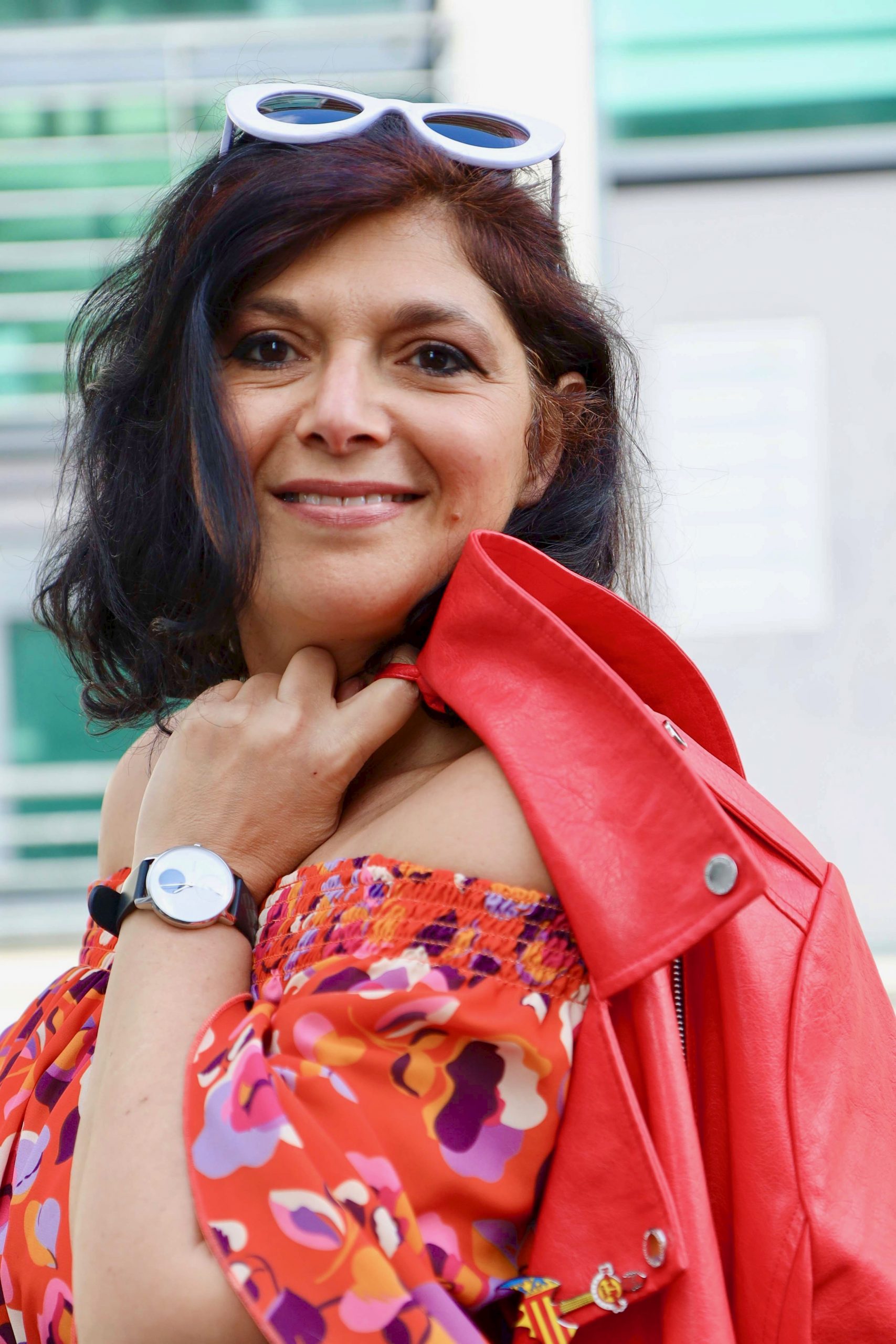
Monica Costa founded London Mums in September 2006 after her son Diego’s birth together with a group of mothers who felt the need of meeting up regularly to share the challenges and joys of motherhood in metropolitan and multicultural London. London Mums is the FREE and independent peer support group for mums and mumpreneurs based in London https://www.londonmumsmagazine.com and you can connect on Twitter @londonmums
