

We all want the best for our kids, right? We track their doctor visits, make sure they eat their veggies (mostly!), and keep them safe. But I have to admit, one thing I kept putting off was a proper eye exam. I always figured I’d notice if my kid had trouble seeing. Turns out, I was wrong – and the eye doctor set me straight.
Early detection and care are game-changers for kids’ vision. It’s truly never too early to start caring for their eyes. Here’s a breakdown of what I learned about check-ups, prescriptions, and making sure my kids see the world clearly.
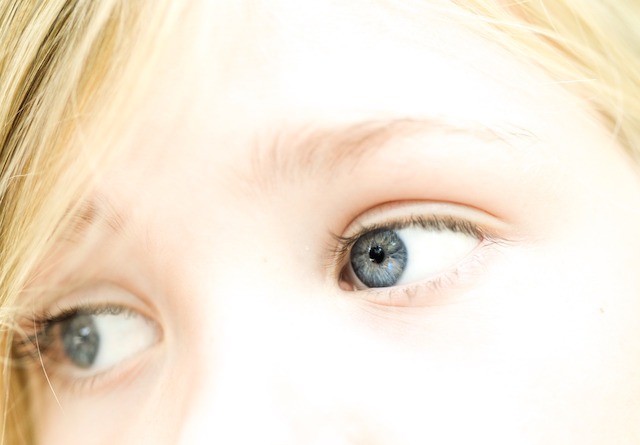
Why those early eye exams matter
It’s easy to think vision issues are obvious, but kids are masters at adapting, and they don’t always realize they aren’t seeing perfectly. Things like a lazy eye (amblyopia), crossed eyes (strabismus), or just being super short-sighted can be sneaky.
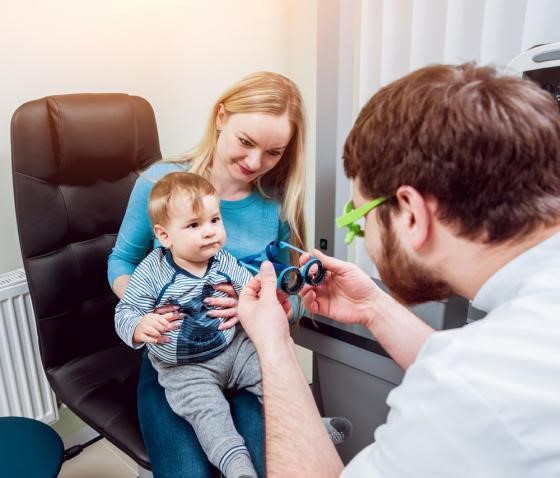
The American Optometric Association suggests a baby’s first eye exam should happen around 6 months old. Seriously! And regular check-ups should continue as they grow. While your pediatrician does a basic screening, a visit to an optometrist or pediatric ophthalmologist is essential for a truly thorough look. Catching these things early makes treatment so much easier and gives them the best shot at healthy vision for life.
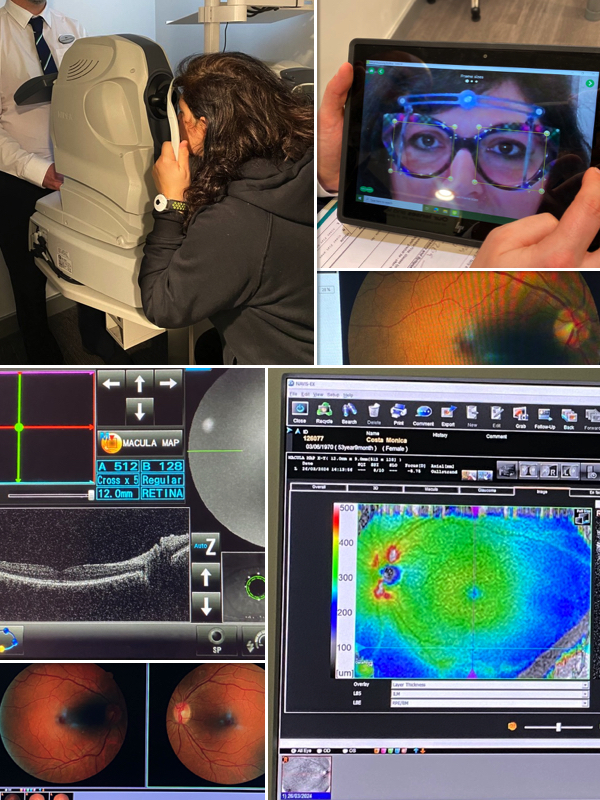
When to schedule that first appointment
My eye doctor’s timeline was simple:
- First exam: By 6 months of age. This is mainly to catch any developmental red flags.
- Follow-up: Around age 3. Just a quick check to ensure everything is on track before they head into preschool.
- School Age (5-6 years old and up): Every two years, or as often as your eye doctor recommends.
Their little eyes are still developing in those early years. If we don’t catch issues quickly, it can mess with their ability to focus, read, or even play sports, potentially leading to long-term struggles.
Glasses and contacts: Decoding the prescription
If your child needs glasses, you’ll get a prescription. It basically tells you what kind of lens they need (spherical for general issues, cylindrical for astigmatism) and how strong the correction needs to be.
One thing to remember: their eyes change! Their prescription might be a moving target until they hit their late teens. Keeping up with regular exams means you’re always ahead of eye strain and those “I have a headache” complaints.
When you’re picking out frames, comfort and style are huge! If they like their glasses, they’ll actually wear them. As they get older and more responsible, you can look into contact lenses, but your eye care provider will let you know when they’re ready.
When sight affects success
I never fully grasped how tied vision is to learning. If a child can’t see the whiteboard or a book clearly, it’s not just a minor annoyance – it impacts everything.
Untreated vision problems can make kids struggle in school. Imagine having to strain just to see the letters on the page; that can quickly lead to frustration, distraction, or even behavioral issues. Regular check-ups are like giving them a cheat sheet for school success, ensuring nothing gets in the way of their learning.
Easy tips for happy eyes
Beyond the doctor’s office, there are simple things we can do at home:
- Practice the 20-20-20 Rule: For all that screen time, remind them: every 20 minutes, look at something 20 feet away for 20 seconds. It’s a great strain-buster!
- Feed Their Eyes: Load up on foods with vitamins A and C, and omega-3s. Think carrots, spinach, and fish like salmon. Good for the body, great for the eyes.
- Embrace the Outdoors: Natural light is actually helpful for eye development. Encourage them to get outside, play, and take a walk!
- Keep Exams Fun: Talk about the eye doctor visit positively and celebrate their healthy eyes afterward. It helps them feel less anxious about it.
When to call the eye doctor NOW
You know your kid best! If you notice any of these signs, don’t wait:
- Squinting or rubbing their eyes constantly.
- Complaining of headaches or that their eyes hurt.
- Holding books, tablets, or phones super close to their face.
- Struggling to read or see things far away.
- A noticeable change in how they act, especially getting frustrated with homework.
Early intervention is the absolute key to making sure a vision hiccup doesn’t turn into a roadblock for their future.
My takeaway
Being proactive about our kids’ eye health is a massive win. Regular eye exams, keeping their prescriptions current, and building good habits at home are all part of giving them clear, healthy vision for the rest of their lives. Let’s make those eye check-ups as routine as a dental cleaning.

Monica Costa founded London Mums in September 2006 after her son Diego’s birth together with a group of mothers who felt the need of meeting up regularly to share the challenges and joys of motherhood in metropolitan and multicultural London. London Mums is the FREE and independent peer support group for mums and mumpreneurs based in London https://www.londonmumsmagazine.com and you can connect on Twitter @londonmums
