

There is a particular pressure that surrounds mothers and swimwear, and it is worth naming before anything else: the cultural expectation that a woman’s body should look a certain way before she is entitled to enjoy the beach without self-consciousness.
This expectation is worth rejecting entirely, not because confidence is simple or because body image issues are trivial, but because the alternative, standing on the sand anxious and covered, is a genuine loss. The beach is one of the best places a family can spend time, and the quality of that time is better for everyone when the adults present are actually present rather than managing how they are being perceived. Good swimwear helps. Bydee bikinis are designed with proportions and cuts that suit real bodies across a real range of shapes, and choosing swimwear that genuinely fits and flatters is one of the most practical things you can do for your beach confidence. But this guide goes further than swimwear. It covers the mindset shifts, the practical preparations and the habits that consistently help mothers feel at ease in their bodies at the beach.
Reframe What You Are Comparing Yourself To
The images that fill social media feeds, magazine pages and resort advertising are not representative of what actual beaches look like. They are curated, lit, retouched and selected from hundreds of frames. The bodies in them are real, but the conditions under which they were photographed, the light, the angle, the selection process, are not reproducible in the course of a normal beach day. Comparing how you look in the changing room mirror to a professional image taken in ideal conditions is a comparison between fundamentally different things, and it is one that no one can win.
The bodies actually on any beach on any given day are as varied as the general population, because they are the general population. Stretch marks, changed proportions after pregnancy and breastfeeding, softer stomachs, changed skin: these are present on the majority of mothers at the beach, and they are not visible in the way that anxiety makes them feel. What other people at the beach are primarily thinking about is their own experience, their children, the water, the food, where the sunscreen went. The surveillance that self-consciousness constructs rarely reflects the reality of what others are noticing or caring about.
Choose Swimwear That Actually Fits
The most immediate and most practical contribution to beach confidence is swimwear that genuinely fits your body as it currently is, not as it was before children or as you intend it to be in six months. Swimwear that gapes at the cup, digs at the hip, provides inadequate support for a changed bust or does not cover what you are comfortable exposing creates a continuous low-level discomfort that makes the beach experience effortful rather than enjoyable.
The fit considerations that matter most for mothers whose bodies have changed through pregnancy and breastfeeding include: bust support, since many women experience significant bust changes that make their pre-pregnancy swimwear inadequate; coverage at the torso, where a tankini or a one-piece with a more forgiving cut may suit a changed stomach better than a high-cut bikini bottom; and strap security, since a swimwear piece that requires constant adjustment in the water is simply more stressful to wear than one that stays put.
Mix-and-match buying, where tops and bottoms are purchased as separates rather than as a set, is worth considering for mothers whose bust and hip proportions have changed relative to each other. Many women find that the pre-pregnancy sizing ratio between top and bottom no longer holds and that buying each piece in the size that actually fits produces a dramatically better result than compromising on one to accommodate the other.
Prepare Practically Rather Than Perfectly
Preparation for the beach is worth separating from the idea of preparation for an appearance. Preparing for an appearance involves achieving a particular body outcome before you feel entitled to be seen. Preparing practically involves the things that make the actual day more comfortable and enjoyable: the sunscreen applied before you leave rather than at the beach with children requiring attention; the beach bag packed with everything needed the night before; the swimwear chosen in advance rather than grabbed from the back of the drawer; the comfortable flat sandals rather than the ones that turn the walk across the car park into an ordeal.
Grooming decisions belong here too, framed not as requirements for public appearance but as choices you make for yourself. If you feel more comfortable having attended to a particular aspect of grooming before a beach day, attending to it is a practical act of self-care that makes the day easier. If the effort required is not worth the return, skipping it is equally valid. The relevant question is: does this make me more comfortable and confident, or is it something I feel I owe to an audience? The first is a reasonable reason to do something. The second is not.
Bring What Makes You Feel at Home
Comfort at the beach is partly physical and partly environmental, and the physical comfort items that help are worth packing deliberately. A sarong or a lightweight shirt that you can pull on without drama when you want to rather than because you feel you must creates a sense of having a choice rather than being exposed or covered. The distinction between choosing to cover and feeling required to cover is significant for how it affects the overall experience.
A comfortable chair or well-positioned towel, sunglasses that you actually like wearing, a hat that provides shade without making you feel overheated, a cold drink in an insulated bottle: these are the physical comfort factors that determine how pleasant it is to exist at the beach regardless of what you are wearing. The physical quality of the experience contributes significantly to how confident you feel in it.
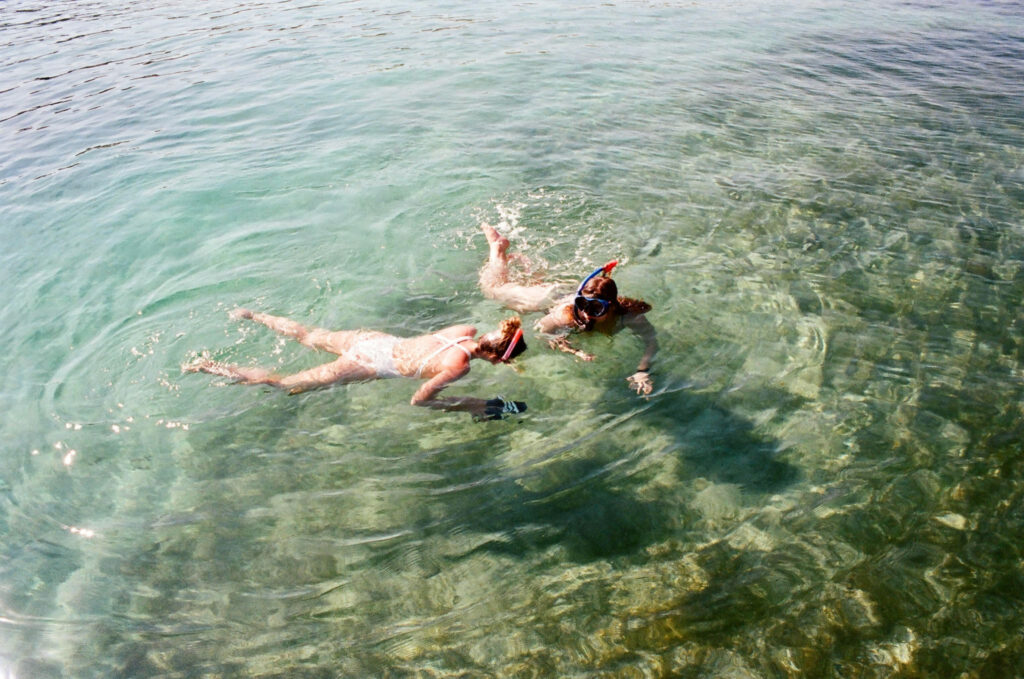
Being in the water is one of the most effective ways to shift from self-consciousness to presence. When you are swimming, bodysurf riding, playing in the waves with children or simply floating, the attention of the body and mind moves from how it is being seen to what it is doing. This is not a permanent solution to body image concerns, but it is a reliable and immediate shift in perspective that the beach uniquely offers.
What Your Children Are Actually Learning
Children who see their mothers enjoying the beach, swimming, playing, relaxed and present, learn something important: that a body is something you live in and enjoy rather than something you manage for public approval. Mothers who sit fully covered at the edge of the water, visibly uncomfortable, declining to swim, are also teaching something, perhaps without intending to.
This is not a guilt argument. It is an observation that one of the most concrete things a mother can do for her children’s body confidence is to model her own. The standards that children absorb about bodies are formed largely from the people closest to them. A mother who swims, who wears a swimsuit without apology, who says yes to the waves, is providing a powerful and lasting lesson about what bodies are for and how they deserve to be treated.
This is also worth holding onto as motivation in the moments when self-consciousness is strongest. Getting in the water is not just for you; it is a small, important act of modelling for the children watching you do it.
The Beach Is for You Too
Confidence at the beach as a mother is not a destination arrived at by achieving a particular body. It is a practice of showing up anyway: in the swimwear that fits you now, with the sunscreen applied and the hat on, into the water with your children, present in the experience rather than managing how you appear within it. Some days this is easier than others. The days when it is hardest are the days when it matters most to do it anyway, because the beach day remembered by the children is not the one where their mother looked a certain way. It is the one where she was there, fully and joyfully, in the water with them.
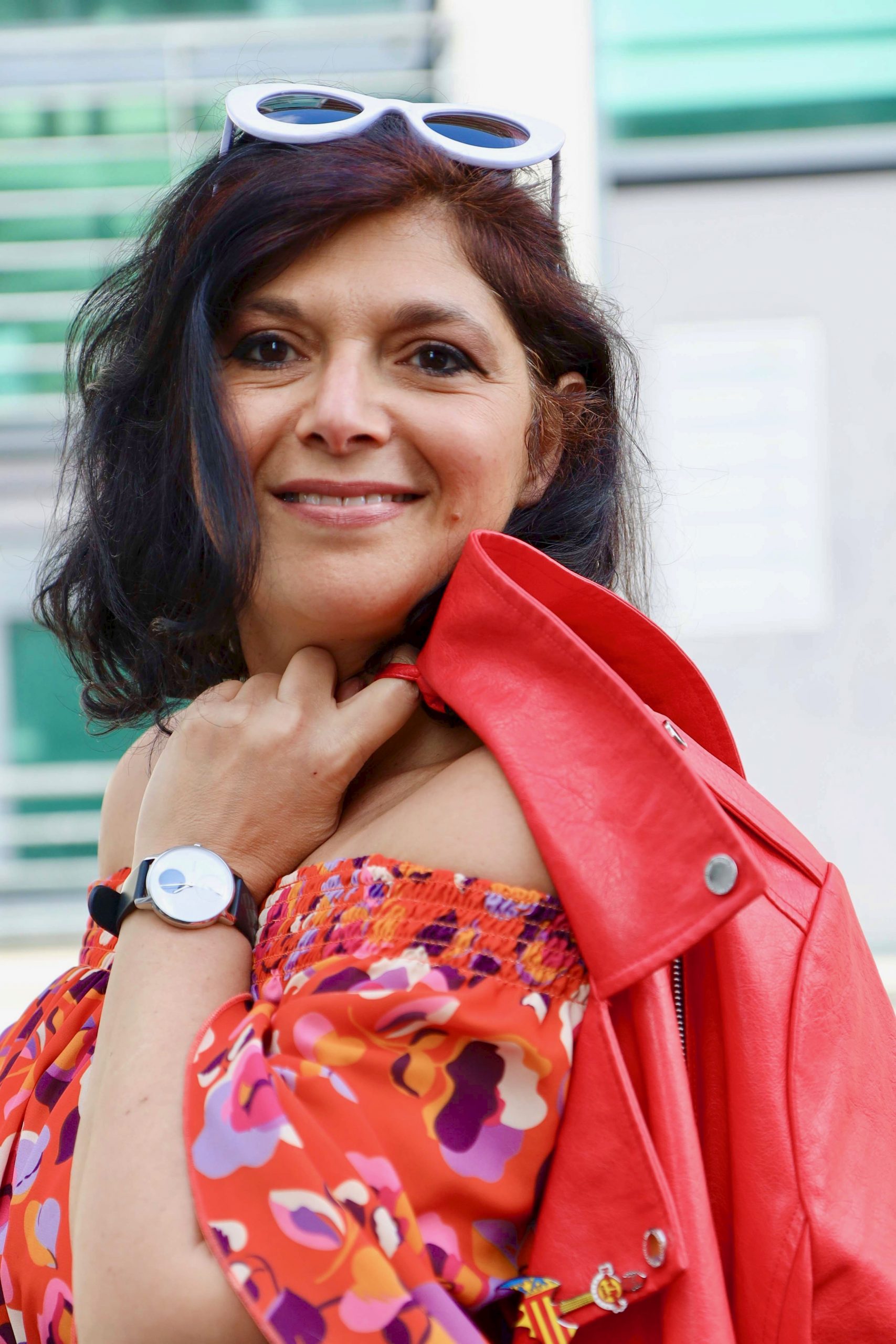
Monica Costa founded London Mums in September 2006 after her son Diego’s birth together with a group of mothers who felt the need of meeting up regularly to share the challenges and joys of motherhood in metropolitan and multicultural London. London Mums is the FREE and independent peer support group for mums and mumpreneurs based in London https://www.londonmumsmagazine.com and you can connect on Twitter @londonmums
