

If you’ve ever flipped over a bag of kibble and struggled to pronounce half the ingredients, you’re not alone. More dog owners are questioning what’s actually in their pet’s bowl, and that curiosity has fuelled a steady shift toward fresh, minimally processed food. Frozen fresh dog food sits at the centre of this shift, offering a middle ground between the convenience of packaged food and the nutritional integrity of a home-cooked meal. This article breaks down what frozen fresh dog food actually is, why more owners are making the switch, and what to consider before you do.
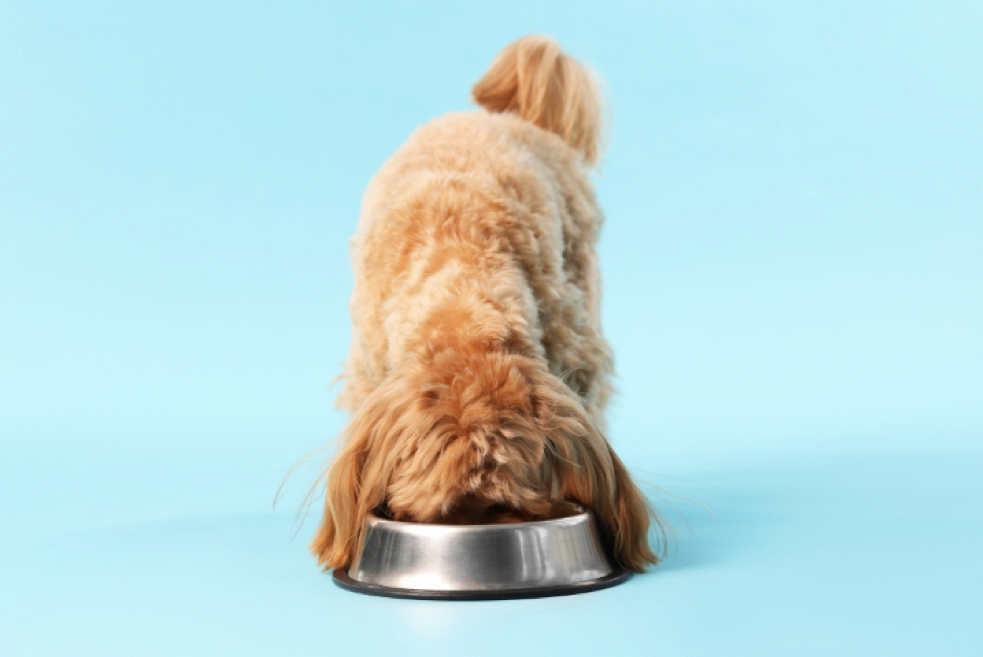
What Makes Frozen Fresh Dog Food Different
Traditional kibble is cooked at high temperatures and often includes fillers, preservatives, and rendered meat meals to extend shelf life. Frozen fresh dog food takes a different approach. Ingredients are gently cooked or minimally processed, then flash-frozen to lock in nutrients without relying on artificial preservatives.
Because the food is frozen rather than dried or canned, it retains a texture and aroma closer to what your dog would encounter eating fresh meat and vegetables. Many owners notice their dogs show more enthusiasm at mealtime simply because the food smells and looks like real food, not a processed substitute.
Digestive Health and Nutrient Absorption
One of the most commonly reported benefits of switching to fresh food is improved digestion. Kibble’s high processing temperatures can break down some nutrients, meaning dogs may need to eat more to get the same nutritional value. Fresh, gently prepared food tends to be easier for a dog’s digestive system to break down and absorb.
Owners who make the switch often notice firmer, smaller stools and less gas within the first few weeks. This isn’t a coincidence. When a dog’s body doesn’t have to work as hard to extract nutrients from fillers or processed proteins, digestion becomes more efficient across the board. If your dog has a sensitive stomach or has struggled with food intolerances in the past, fresh food is worth discussing with your veterinarian as a potential option.
Weight Management and Portion Control
Obesity is one of the most common health issues facing dogs today, and diet plays a central role in managing it. Frozen fresh dog food is typically formulated with a clearer nutritional profile than many kibble products, which makes portion control more straightforward. Rather than guessing based on vague feeding guidelines, owners can calculate more precise portions based on their dog’s weight, activity level, and life stage.
This matters even more for large breed dogs, who face unique nutritional demands as they grow and age. Larger dogs need controlled calorie intake paired with adequate protein to support joint health and lean muscle mass, especially during their first two years. Brands like California Dog Kitchen have built their formulas around these specific needs, offering dog food made for large breed dogs. Choosing a formula designed with breed size in mind can make portion management significantly easier for owners of bigger dogs.
Skin, Coat, and Allergy Considerations
A dog’s coat is often one of the first visible indicators of overall health. Dull fur, excessive shedding, or persistent itching can sometimes trace back to diet, particularly when a dog is eating food with low-quality fat sources or fillers that don’t align with their nutritional needs.
Fresh food formulations tend to include more identifiable protein and fat sources, which can support skin and coat health over time. For dogs with known food sensitivities, fresh food also makes it easier to identify and eliminate specific ingredients, since the recipes are typically simpler and more transparent than heavily processed alternatives. If you suspect your dog has a food allergy, working with your vet to test a limited-ingredient fresh diet can help narrow down the culprit more efficiently than trial and error with multiple kibble brands.
Making the Transition Without Digestive Upset
Switching your dog’s food too quickly can cause stomach upset, regardless of how much better the new food is. A gradual transition over seven to ten days gives your dog’s gut bacteria time to adjust. Start by mixing a small portion of the new fresh food with your dog’s current diet, gradually increasing the ratio each day.
Watch for signs of a smooth transition, including consistent stool quality and steady energy levels. If your dog shows signs of digestive distress, slow the transition down rather than abandoning it altogether. Companies like California Dog Kitchen typically provide feeding and transition guidelines specific to their formulas, which can help you avoid common mistakes during the switch.
Storage and Practical Considerations
One trade-off with frozen fresh dog food is that it requires freezer space and some advance planning. Unlike kibble, which can sit in a pantry for months, fresh food needs to be thawed before serving and used within a few days once defrosted. Many owners find that portioning out a week’s worth of meals at a time and thawing them as needed fits easily into their routine, but it’s worth considering your freezer capacity and daily schedule before committing.
Cost is another factor. Fresh food is generally more expensive than kibble on a per-meal basis, reflecting the higher quality ingredients and processing methods involved. For many owners, the trade-off is worth it given the potential digestive, weight management, and coat health benefits, but it’s a practical consideration worth factoring into your budget.
Switching to frozen fresh dog food is a meaningful decision that can influence your dog’s digestion, weight, coat health, and overall vitality. As with any major diet change, it helps to consult your veterinarian, especially if your dog has existing health conditions or is on a specialized diet. Start slow, watch how your dog responds, and adjust as needed. The goal isn’t perfection overnight, but a steady shift toward a diet that better supports your dog’s long-term health.

Monica Costa founded London Mums in September 2006 after her son Diego’s birth together with a group of mothers who felt the need of meeting up regularly to share the challenges and joys of motherhood in metropolitan and multicultural London. London Mums is the FREE and independent peer support group for mums and mumpreneurs based in London https://www.londonmumsmagazine.com and you can connect on Twitter @londonmums
