

Rome packs nearly three thousand years of history into a city you can cross on foot in a single afternoon. That density is exactly what makes it overwhelming for first-time visitors, the Colosseum sits ten minutes from a Renaissance fountain, which sits fifteen minutes from a Baroque church built over an ancient temple. This guide breaks down how to approach the city without wasting a day standing in the wrong line or wandering in circles near the Trevi Fountain.

Get Your Bearings First
Rome’s historic centre is smaller than most visitors expect. The distance between the Colosseum and the Pantheon is about a 25-minute walk, and most major sights sit within a two-mile radius of each other. Before booking anything, spend ten minutes with a map and group attractions by neighbourhood rather than by importance, since crisscrossing the city to hit a “top ten” list in order will eat hours you don’t have.

A good mental split is: Ancient Rome (Colosseum, Roman Forum, Palatine Hill), the Historic Centre (Pantheon, Piazza Navona, Trevi Fountain), and Trastevere across the river. Vatican City is its own half-day trip and shouldn’t be squeezed into the same afternoon as anything else. Treat each zone as a separate outing rather than a checklist to rush through.
Buy Timed Tickets Before You Go
Walk-up lines at the Colosseum regularly run past 90 minutes in peak season, and the Vatican Museums can be worse on a Wednesday morning. Every major site in Rome now sells timed-entry tickets online, and buying them a few days ahead is standard practice, not a luxury reserved for planners. This single step saves more vacation time than almost anything else on this list.
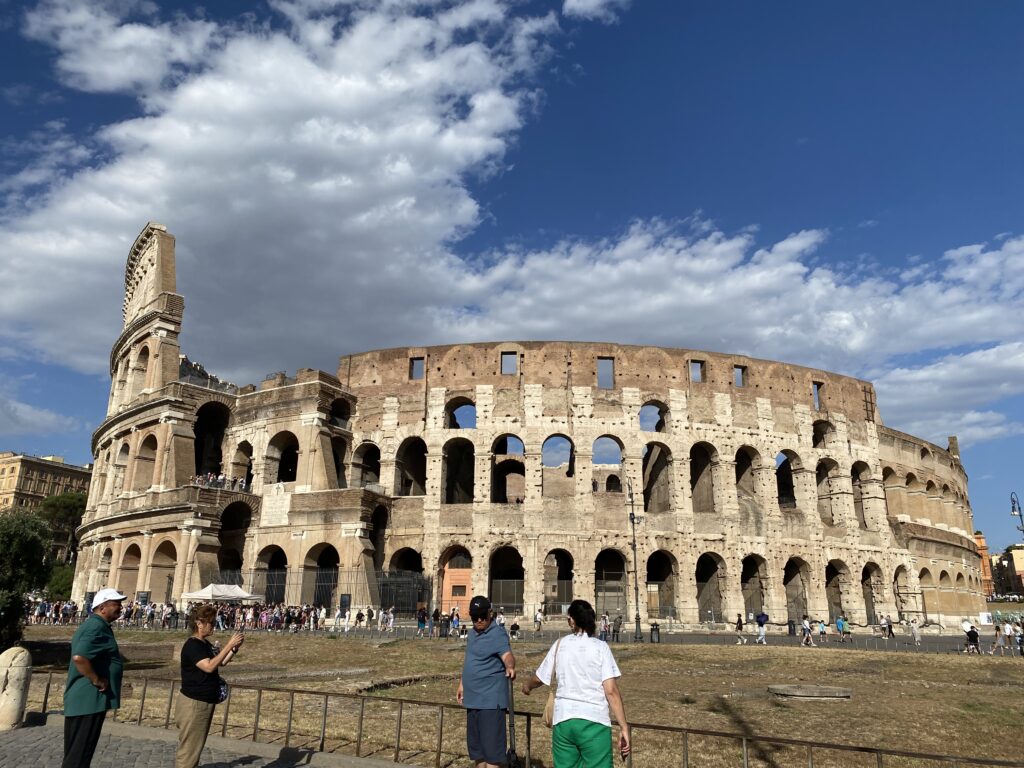
For the Colosseum specifically, a standard ticket also grants access to the Roman Forum and Palatine Hill, so there’s no need to buy three separate entries. If the history feels dense without context, guided options are worth the extra cost.
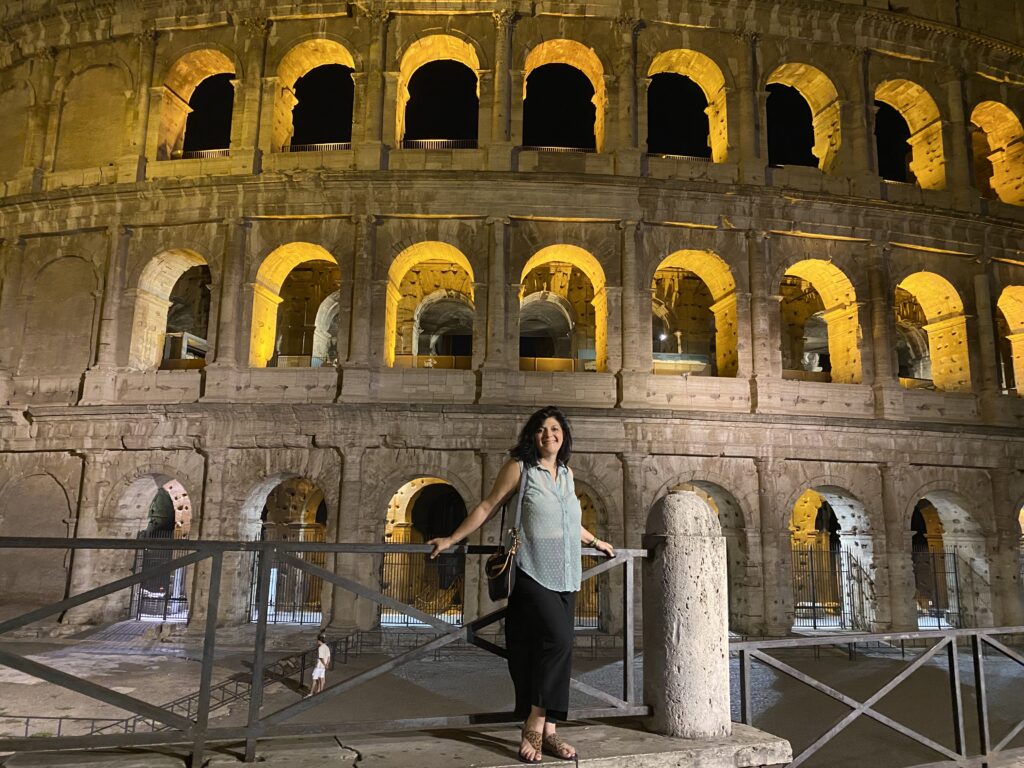
Several companies run small-group Colosseum tours Rome visitors consistently rate highly, and having someone explain the arena’s substructure and the politics behind it turns a pile of old stone into something you’ll actually remember.
Start With Ancient Rome
Visit the Colosseum, Forum, and Palatine Hill together, ideally in the morning before the heat and crowds peak. The Forum was the political and commercial heart of the Roman Empire for over a thousand years, and walking its main road, the Via Sacra, puts you on the same stones senators and emperors used. Palatine Hill, just above it, offers some of the best free views in the city and is where Rome’s founding myth places Romulus and Remus.
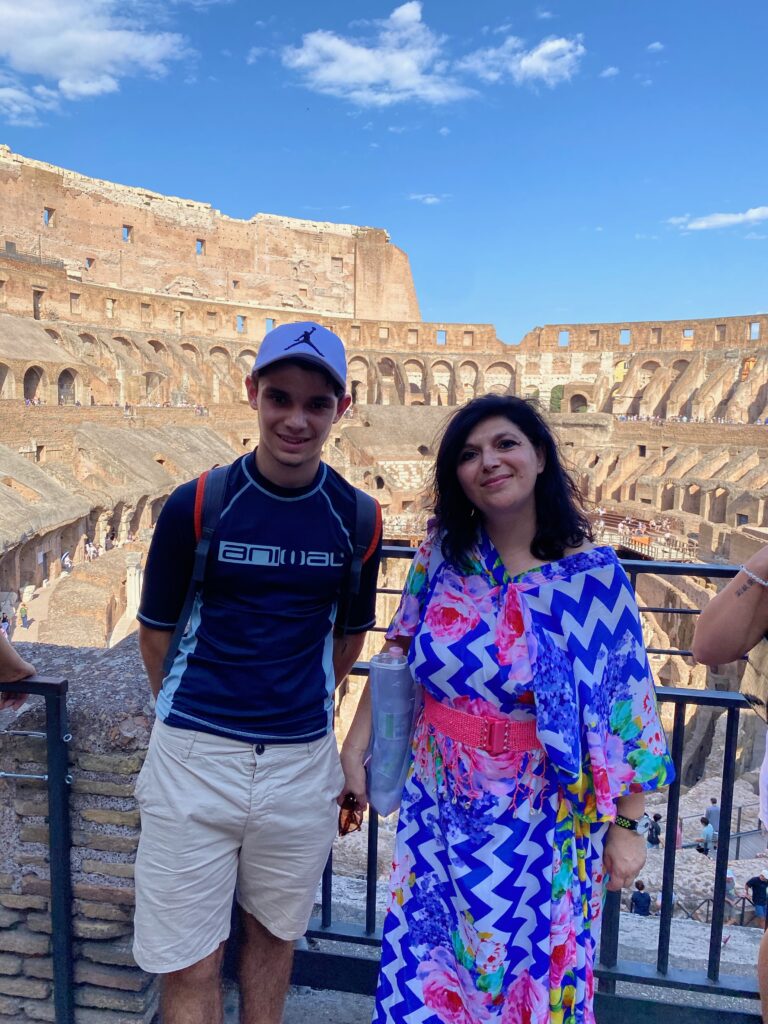
Budget at least three hours for this combined visit. Rushing it means missing the Palatine’s gardens and the House of Augustus, both of which get skipped by visitors racing to the next stop.
Cross the River to Trastevere
Once you’ve covered the ancient sites and the Historic Center, spend an evening in Trastevere. This neighborhood across the Tiber has narrow cobblestone streets, ivy-covered buildings, and far fewer souvenir shops than the areas around major monuments. It’s also where much of Rome’s actual dining scene lives, away from the inflated menus near tourist landmarks.
Piazza di Santa Maria in Trastevere, anchored by a 12th-century basilica with gold mosaics, is a good starting point before wandering without a fixed plan. Getting slightly lost here is part of the experience, not a mistake to avoid.
Eat Like a Local, Not a Tourist
Restaurants with laminated, multilingual menus positioned directly outside major attractions are almost always a bad sign. A simple rule: walk two or three blocks away from any famous landmark before choosing where to eat, and look for places without a photo menu or a host aggressively waving you in. Roman cuisine centres on a handful of classics worth seeking out specifically, cacio e pepe, carbonara, amatriciana, and supplì, the fried rice balls sold at most casual takeout spots.

Lunch is typically served from 1 to 3 p.m. and dinner rarely starts before 7:30, with many kitchens not filling up until 9. Showing up at 6 p.m. expecting a full dinner service is a common visitor mistake.
Pace Yourself Between Sites
Rome rewards slower travel more than most European capitals. Trying to see the Colosseum, Pantheon, Trevi Fountain, and Vatican in a single day is physically possible but leaves no room to actually absorb any of it. Three to four days is a realistic minimum for a first visit that covers the major sites without feeling like a scavenger hunt.
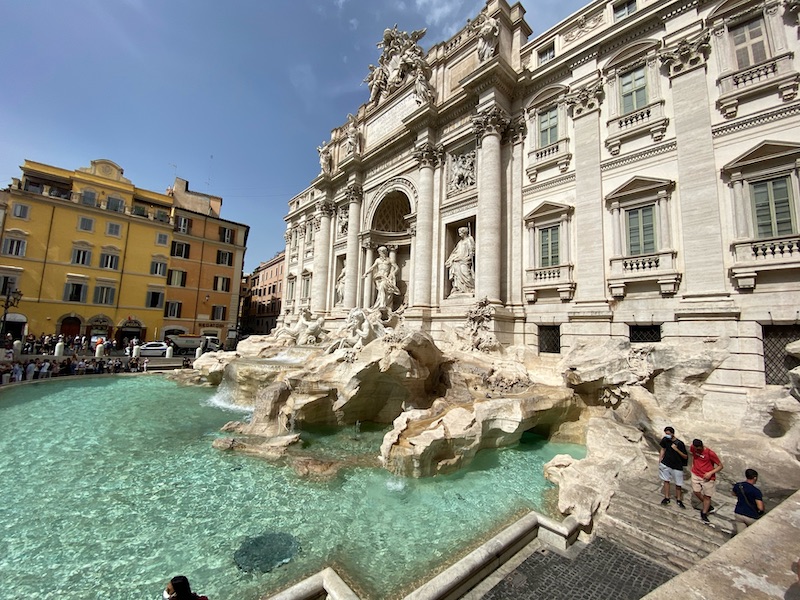
Build in unstructured time, particularly in the late afternoon when the light is good and the crowds thin slightly. Some of the best moments in Rome happen in the gaps between planned stops, a quiet piazza, an unmarked church with a Caravaggio inside, a gelato shop with no line.
The real skill in visiting Rome isn’t seeing everything, it’s choosing what to skip. Pick your priorities before you land, book timed entries for anything non-negotiable, and leave enough open time to notice the city that exists between the famous landmarks.
Related articles

Monica Costa founded London Mums in September 2006 after her son Diego’s birth together with a group of mothers who felt the need of meeting up regularly to share the challenges and joys of motherhood in metropolitan and multicultural London. London Mums is the FREE and independent peer support group for mums and mumpreneurs based in London https://www.londonmumsmagazine.com and you can connect on Twitter @londonmums
