
Preschool applications for fall 2026 are already opening at many programs, and in competitive metro areas, waitlists can form six to nine months before the school year even starts. Parents who wait until spring to start looking often find their top choices full. This guide walks through what actually matters when choosing a preschool this year, from figuring out the right age to start through what questions to ask during a tour.

Know the Different Preschool Models
Preschools aren’t interchangeable, and the philosophy behind a program shapes daily life for your child. Montessori programs emphasize independent, self-directed activities with specialized materials and mixed-age classrooms. Play-based programs prioritize unstructured exploration, social skills, and imaginative play over early academics. Reggio Emilia-inspired schools build curriculum around children’s interests, often documenting projects through photos and artwork displayed in the classroom. Academic or “school readiness” programs introduce letters, numbers, and structured worksheets earlier than other models.
None of these approaches is objectively better. A child who thrives with quiet, independent tasks might do well in Montessori, while a highly social, energetic child might get more out of a play-based setting with lots of group activity. Visiting a few different types before committing gives you a real sense of what fits your child’s temperament.
Figure Out the Right Age to Start
Most preschools accept children between 2.5 and 5 years old, but readiness varies more than age does. Look for signs like the ability to separate from a caregiver without prolonged distress, basic communication skills to express needs, and enough physical coordination to handle simple self-care tasks like using the bathroom or eating independently. Some programs require full potty training; others accommodate children still in diapers.
If a child isn’t quite ready at the standard age, that’s not a red flag. Many programs offer parent-and-me classes or shorter half-day sessions that ease the transition before a full schedule begins.
Budget for the Real Cost
Preschool tuition in 2026 ranges widely depending on location and program type, but expect to pay anywhere from 800 to 2,200 dollars per month for full-time care in most urban and suburban areas. Part-time programs, typically three days a week for a few hours, cost less but still add up over a school year. Ask about registration fees, supply fees, and whether tuition includes meals, since these extras can add several hundred dollars annually.
Check whether your state offers subsidized pre-K programs, which are increasingly common for four-year-olds regardless of income. Employer-sponsored dependent care flexible spending accounts can also offset costs, letting you set aside pre-tax dollars specifically for preschool or childcare expenses.
Start Touring Early and Ask Direct Questions
Scheduling tours six to twelve months ahead gives you leverage to compare programs without settling for whatever has an open spot. During a visit, watch how teachers interact with children during transitions, which tend to be the most chaotic part of any day. A teacher who stays calm while redirecting a group from playtime to snack time is showing you more than any brochure can.
Ask about staff turnover, teacher-to-child ratios, and how the school handles discipline or conflict between children. A ratio of one teacher for every six to eight children is standard for three- and four-year-olds; anything higher can mean less individual attention. Also ask what a typical day looks like hour by hour, since vague answers about “flexible schedules” sometimes mean less structure than advertised.
Parents in fast-growing college towns often face particularly tight timelines. Families searching for a preschool in Boulder will find programs that combine strong outdoor education with structured early literacy, which reflects a broader trend of blending nature-based learning with academic preparation heading into 2026.
Prepare Your Child for the Transition
Once you’ve chosen a program, spend the weeks leading up to the start date building familiarity. Visit the building together if possible, even just to see the playground from outside. Talk through what a typical day will look like, using simple, concrete language rather than abstract reassurances.
Establish a consistent goodbye routine and stick to it, even on hard mornings. A quick, predictable goodbye, like a specific hug-and-wave sequence, actually helps children separate more easily than a long, drawn-out farewell. Most separation anxiety peaks in the first two weeks and eases significantly after that.
Watch for Signs the Program Is Working
After the first month, look for practical indicators rather than just asking a young child if they had fun. Notice whether they mention classmates by name, show new skills like counting or recognizing letters, or bring home art projects that suggest engagement rather than boredom. Regular communication from teachers, whether through a daily app update or a quick conversation at pickup, also signals a program that takes family partnership seriously.
The right preschool fit shows up in small, steady signs over time rather than one dramatic moment of certainty. Trust the pattern of daily details, not just the first impression from a single tour, and don’t hesitate to reassess if something feels consistently off after the adjustment period ends.
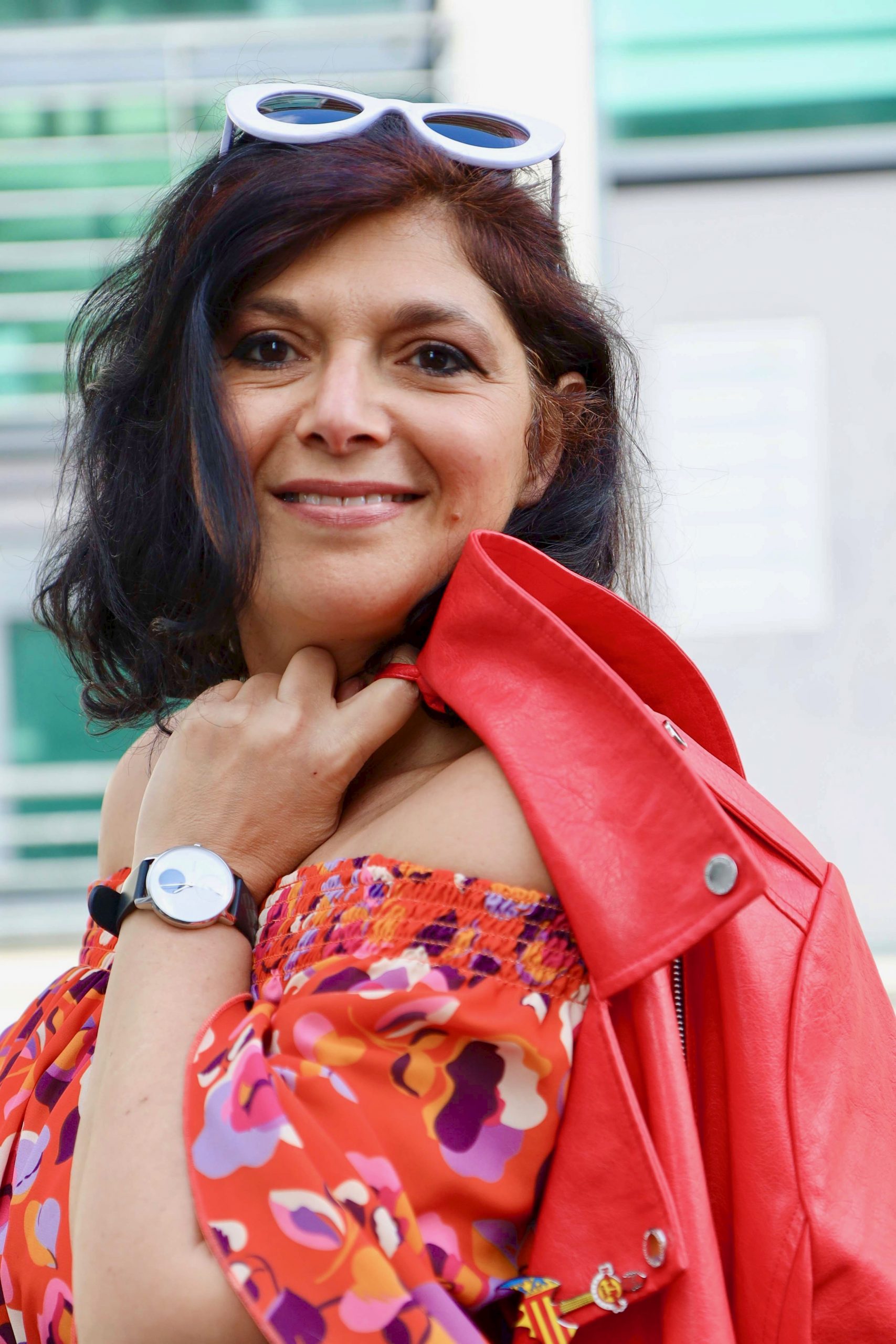
Monica Costa founded London Mums in September 2006 after her son Diego’s birth together with a group of mothers who felt the need of meeting up regularly to share the challenges and joys of motherhood in metropolitan and multicultural London. London Mums is the FREE and independent peer support group for mums and mumpreneurs based in London https://www.londonmumsmagazine.com and you can connect on Twitter @londonmums
