

My son Diego just turned 20. Twenty. Two decades. A whole human being who is now almost a mechanical engineer, which, frankly, feels like a minor miracle when I remember the toddler who once tried to fix the TV remote by putting it in the toaster. But his birthday didn’t just mark his arrival into adulthood. It marked twenty years of me being a mum. And twenty years of watching parenting transform into something I barely recognise from those early, sleep-deprived, buggy-pushing days.
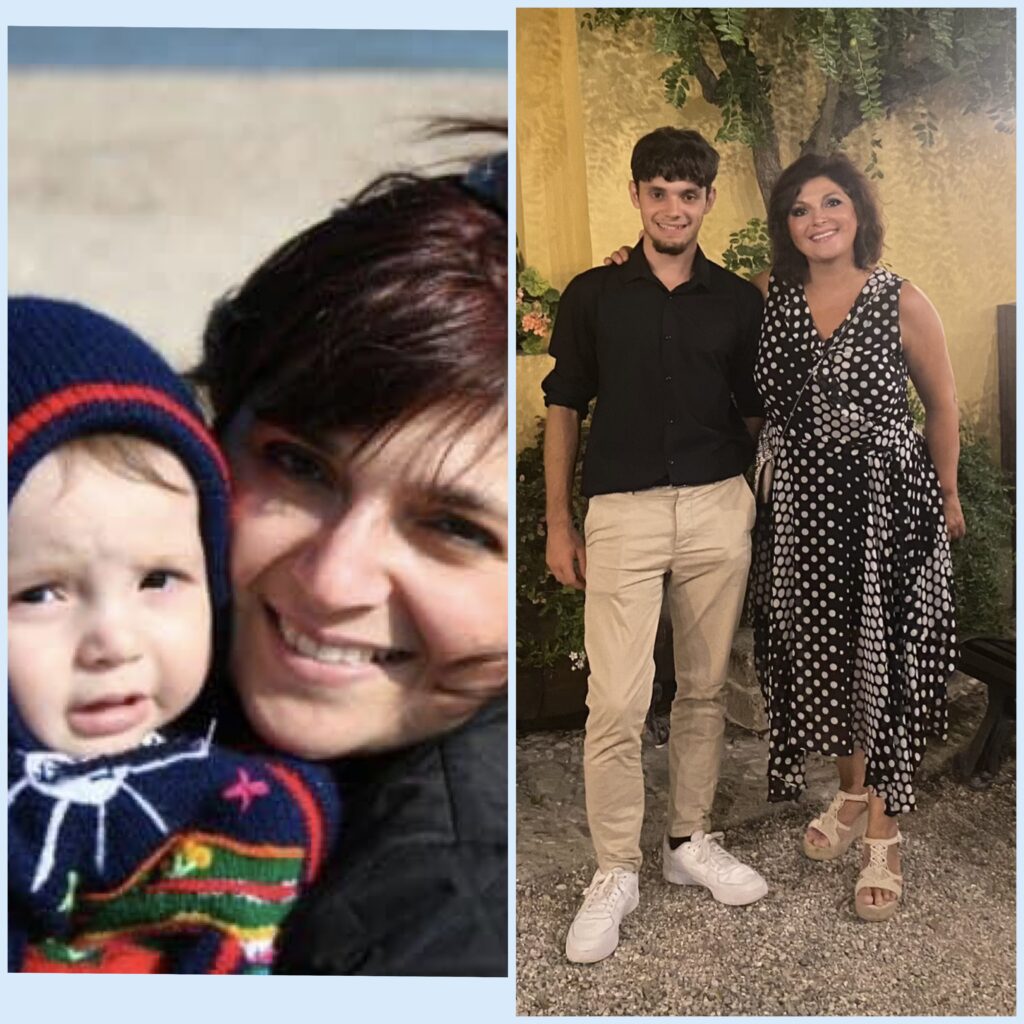
I didn’t just become a mother. I became a mother and founded London Mums in the same breath. Back in 2006, there was no Facebook group to join, no Instagram grid of perfect playrooms, no TikTok mums showing you how to make organic dinosaur-shaped sandwiches. We connected the old-fashioned way: at the Eileen Lecky Clinic breastfeeding café in Putney, on daily buggy walks, through email chains that went on for miles. I’ll never forget the V&A security guard who asked, deadpan, whether it was “National Pram Day” as forty of us rolled in with our strollers. Those early days were messy, noisy, and utterly wonderful. London Mums grew from that scrappy, sleep-starved community into a full digital and print magazine with millions of impressions a month and I’m enormously proud of that. But my goodness, how parenting has changed along the way.
So, as Diego blew out his candles and I tried not to cry into the cake, I found myself asking: are we better parents now, or just more anxious ones?
From “Because I said so” to “Would you like to discuss it over a snack?”
Twenty years ago, the parenting rulebook was simpler. Adults decided. Children obeyed. The phrase “because I said so” did a lot of heavy lifting. Today, we explain, we negotiate, we validate feelings, and we offer choices. It’s warmer, more respectful, and honestly exhausting. I have friends who can’t get their five-year-old into the bath without a 45-minute negotiation involving emotional check-ins, a star chart, and a carefully worded compromise about the temperature of the water. Gentle parenting is beautiful until “gentle” tips into “never actually setting a boundary.” Firm with empathy, people. Firm with empathy.
The Smartphone Elephant (It’s in every room now)
In 2006, the big screen-time debate was whether an extra hour of CBeebies would rot their brains. Now? Our children carry the entire internet in their pockets, and we’re supposed to worry about cyberbullying, online grooming, social-media comparison, digital footprints, and whether their self-worth is being measured in likes. My son grew up in the early internet era, and I still remember the fear. For parents of toddlers now? It’s a whole different battlefield. The smartphone has transformed childhood and parenting in ways we’re still catching up with.
The information overload paradox
Here’s the most telling shift. When I first became a mum, advice came from books, friends, GPs, and the occasional well-meaning stranger on the bus. Now, you can ask a question at 11pm and receive seventeen expert opinions, a TikTok tutorial, two conflicting Instagram posts, and an AI-generated answer before you’ve even put the kettle on. That sounds empowering. It is empowering. But it’s also paralysing. We’ve never had so much information and never felt so uncertain about whether we’re getting it right. The mothers of 2006 worried they weren’t doing enough. The mothers of 2026 worry they’re doing everything wrong. That’s the real difference.
Things we got right (and things we got wrong)
Mental health awareness has exploded, and thank goodness for that. Twenty years ago, we asked “How is my child behaving?” Today, we ask “How is my child feeling?” That’s progress. Dads are more hands-on than ever: nappies, school runs, bedtime, emotional support. The days of Dad being the “helper” are fading, and good riddance. Diversity and neurodiversity are understood in ways they simply weren’t when my son was small. Infant sleep research has moved us beyond the dreaded “Has he slept through the night yet?” interrogation. All of that is genuinely better.
But we’ve also created a culture of supervision that can feel suffocating. Children are safer in some ways, yes, but they’ve lost the freedom to roam, to fall, to be bored, to solve problems without an adult hovering. We protect them from physical scrapes while exposing them to psychological ones. And mothers? We’re more judged than ever, thanks to the curated perfection of social media. The pressure to breastfeed, make organic meals, limit screens, foster creativity, coach emotions, and look serene while doing it is crushing.
So, are we better parents?
I think we’re better informed. More emotionally aware. Kinder to our children in ways that matter deeply. But I also think we’re more anxious, more exhausted, and more inclined to second-guess ourselves than any generation before us. Perhaps the greatest challenge of modern parenting isn’t the children at all: it’s learning to trust ourselves again.
Twenty years ago, I didn’t know what I was doing. I’m not sure I know now, either. But I’ve learned that good parenting isn’t about getting it all right. It’s about showing up, saying sorry when you mess up, and loving them fiercely enough to let them become their own people. Diego is almost an engineer now. He can fix the toaster without the help of a remote control. And somehow, despite all my fumbling, he’s turned out all right.
Maybe that’s the one thing that hasn’t changed at all: the doing it wrong, the trying again, the loving them through it. The rest is just noise.
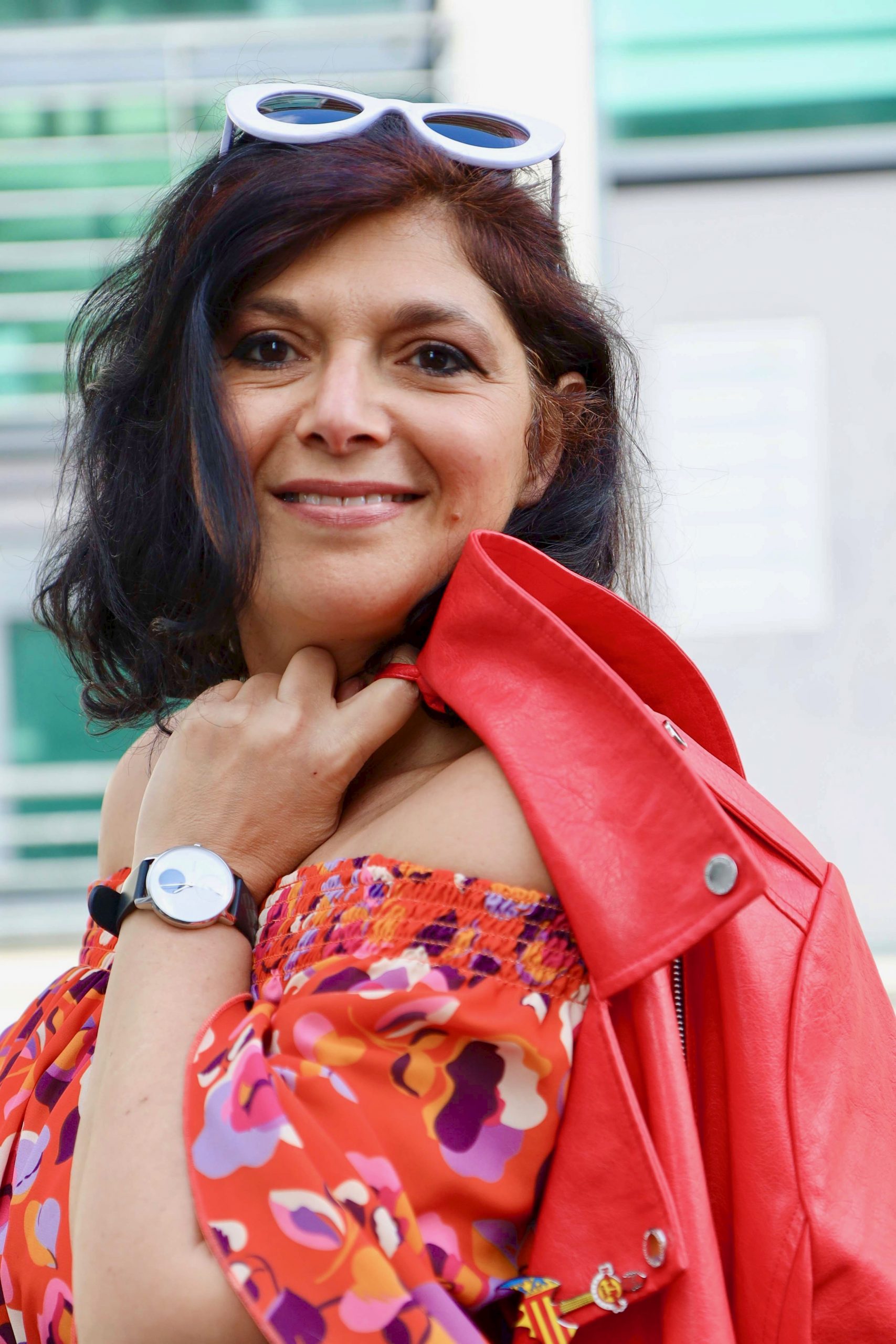
Monica Costa founded London Mums in September 2006 after her son Diego’s birth together with a group of mothers who felt the need of meeting up regularly to share the challenges and joys of motherhood in metropolitan and multicultural London. London Mums is the FREE and independent peer support group for mums and mumpreneurs based in London https://www.londonmumsmagazine.com and you can connect on Twitter @londonmums
