

For many of us living in the bustling heart of London, the soundtrack of our lives is a symphony of traffic, tube announcements and the distant hum of the city. We seek out quiet moments in parks or curated playlists to find our rhythm. But in the sun-drenched region of Romagna in Northern Italy, there is a rhythm that doesn’t come from a speaker or a smartphone, it comes from the air itself.
It is a sharp, percussive, and electrifying sound: CRACK! CRACK! CRACK!
This is the sound of the Sciucaren (pronounced shoo-car-en), also known as schioccherini. They are the traditional whip-crackers of Romagna, and their art is far more than a rural pastime; it is a living, breathing, intensely rhythmic piece of Italian folklore that is guaranteed to give you goosebumps.
More than just a crack
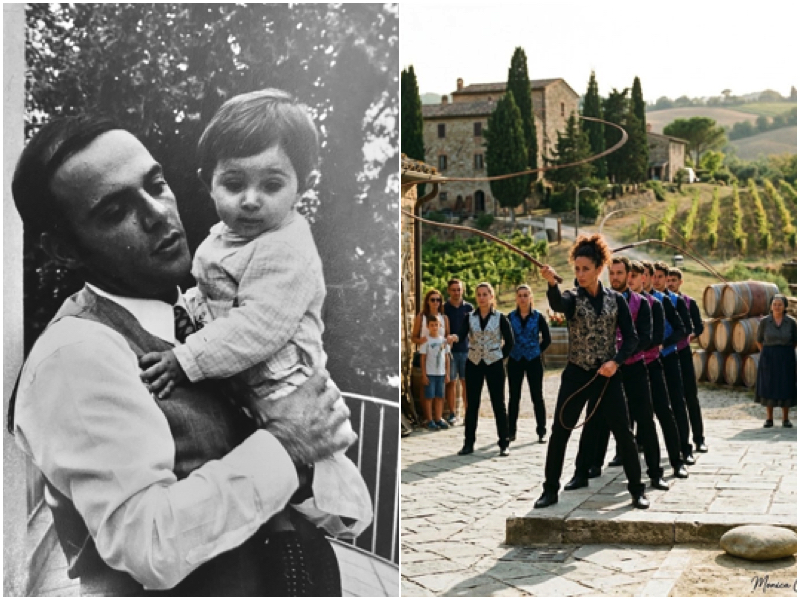
The name “Sciucaren” derives from the Romagnolo dialect word schiocco, the sharp snap of a whip. But to simply label them “whip-crackers” is to do them a disservice. Imagine a percussion ensemble, but instead of drums, the performers wield long, finely crafted leather whips.
The Sciucaren perform intricate, precise choreographies. Standing in formation, sometimes in lines, sometimes in circles, they swing and snap their whips in perfect, almost telepathic coordination. The result is not a chaotic noise, but a spectacular, rhythmic sequence. The whips converse with each other, creating a staccato beat that rolls across a village piazza, echoing off ancient stone walls. It’s primal, it’s thrilling, and it is, against all odds, deeply musical.
A tradition rooted in the land
To understand the Sciucaren, one must understand Romagna. This is a land of rolling hills, vineyards, hearty food (think piadina flatbread and tagliatelle al ragù), and a famously convivial, spirited people. The tradition of whip-cracking has its roots in the region’s rural, agricultural past.
For centuries, the whip was an essential tool for the bifolco (ploughman) and carters, used to guide oxen and horses. A skilled crack was a form of communication, a way to command animals from a distance. Over time, this practical skill was transformed into a form of expression and competition. Men would gather at village fairs and festivals, each trying to outdo the other with more complex rhythms and louder cracks. What began as a display of agricultural prowess evolved into a structured performance art, a symbol of skill, strength, and local identity.
Today, you’ll most likely encounter the Sciucaren not in the fields, but at the heart of Romagna’s vibrant social calendar: at sagre (local food festivals), historical re-enactments, patron saint days, and community gatherings. Their presence is a guarantee that the spirit of old Romagna is alive and kicking.
Why it deserves a global stage
In an age of digital entertainment, the appeal of the Sciucaren is their breathtaking authenticity. Their performance is a powerful combination of danger and grace, strength and precision. Watching a group of Sciucaren perform is a lesson in focus and teamwork. The whips, often several metres long, are formidable instruments, yet the performers wield them with the elegance of dancers.
It is a tradition passed down from father to son, from expert to novice. It embodies the convivial spirit of Romagna, a region that believes in good food, good company, and preserving the traditions that bind a community together. It is a piece of living heritage that deserves to be celebrated far beyond the borders of Italy.
The sound of my childhood
For me, the story of the Sciucaren is more than an interesting piece of anthropology; it is the soundtrack of my childhood and a direct line to my father.
When I was a little girl, my dad knew that nothing fascinated me more than the local Sciucaren. He would take me by the hand and lead me through the crowds at a bustling local festival, finding the perfect spot where I could see and hear everything. I would stand there, eyes wide with a mixture of awe and delicious fear, completely captivated by the cracking whips. The smell of the food stalls, the warmth of the sun, the feeling of my dad’s hand in mine, it’s all tied up in that one incredible sound.
Now, whenever I hear that unmistakable CRACK! CRACK! CRACK!, it’s as if I’m instantly transported. I no longer just hear a piece of Romagna’s folklore; I hear a little piece of my heart. It is the sound of my father’s smile and the joyful noise of a time when my whole world was contained in a village square.
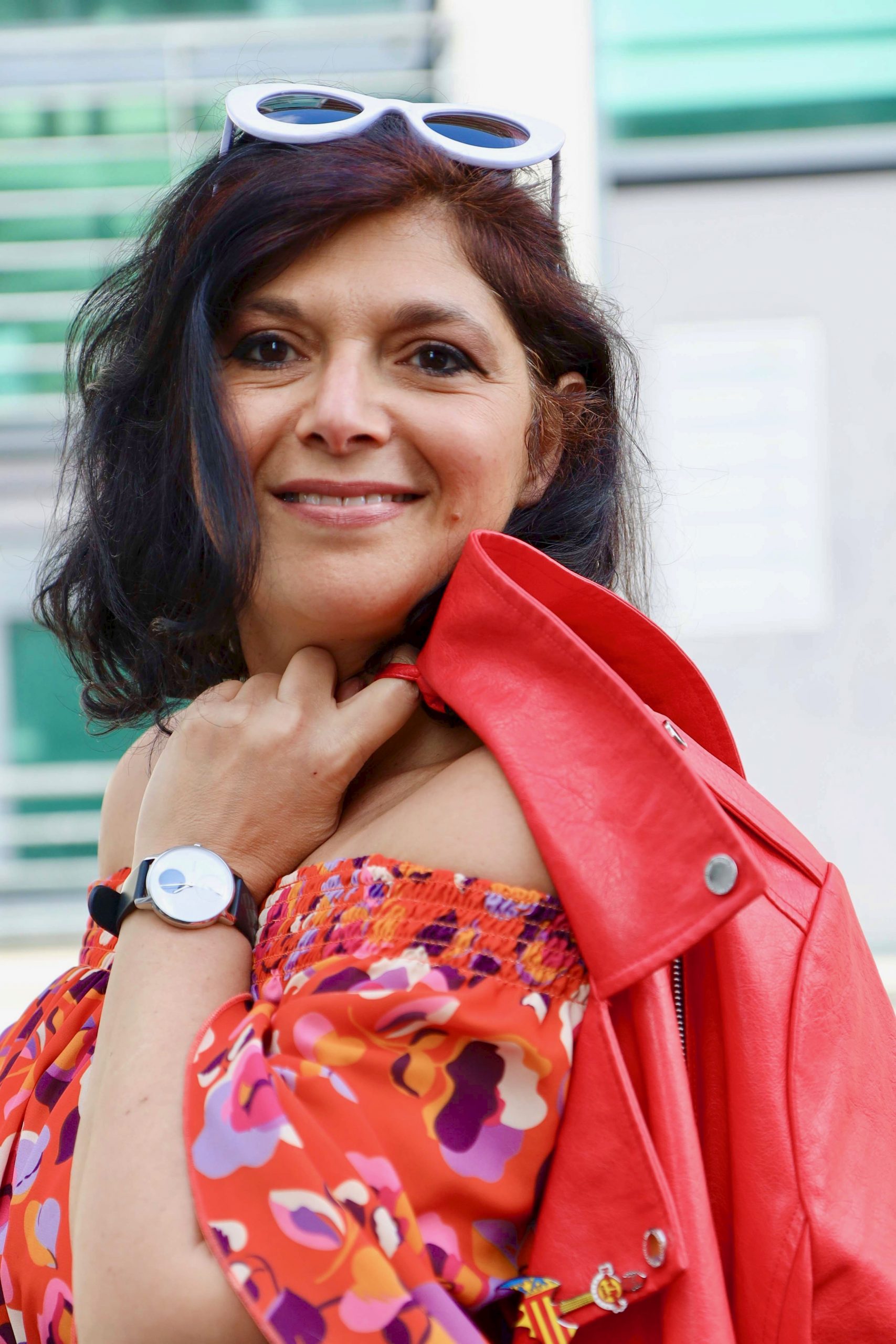
Monica Costa founded London Mums in September 2006 after her son Diego’s birth together with a group of mothers who felt the need of meeting up regularly to share the challenges and joys of motherhood in metropolitan and multicultural London. London Mums is the FREE and independent peer support group for mums and mumpreneurs based in London https://www.londonmumsmagazine.com and you can connect on Twitter @londonmums
