

Timekeeping as a Cultural Habit
For centuries, the act of wearing something on the wrist has been about far more than telling the time. From ornate pocket watches transitioning into wristwatches during the early twentieth century, to today’s sleek smart devices, timekeeping has always reflected social values, technology, and taste. In Britain especially, there has long been an appreciation for objects that balance function with understatement. The modern wrist has become a small but meaningful canvas where practicality, craftsmanship, and identity meet.
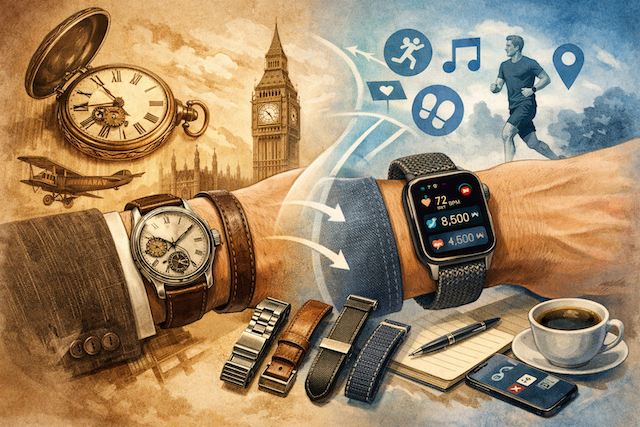
From Mechanical Precision to Digital Companions
Traditional watches were once admired for their mechanical ingenuity. The quiet ticking of gears, the weight of metal, and the ritual of winding a watch were all part of daily life. Today, that ritual has changed shape. Smart devices now sit where mechanical watches once did, offering notifications, health insights, and navigation alongside the simple display of time. While the technology has advanced rapidly, the human desire to personalise what we wear has remained constant.
This is where accessories become essential. A digital device may be standardised in design, but the way it is worn can vary endlessly. Materials, colours, and textures allow a single object to adapt to different contexts, from the office to the gym, or from a formal dinner to a casual walk through the park.
Personal Style on the Wrist
Style in Britain is often associated with subtlety rather than excess. Many people prefer items that do not shout for attention, but quietly signal thoughtfulness and quality. Wrist accessories follow the same rule. Leather suggests tradition and professionalism, fabric implies comfort and informality, while metal carries a sense of durability and confidence.
In recent years, the popularity of interchangeable straps has grown significantly. The ability to change the look and feel of a device without replacing it entirely fits well with a more sustainable and economical mindset. One day, a minimalist black strap may feel appropriate; the next, a woven or coloured option can add a touch of personality. It is in this context that Apple Watch bands have become part of everyday conversations about fashion and function, rather than just technology.
Technology That Adapts to Life
Another reason wrist technology has become so embedded in daily routines is its responsiveness to real life. Devices track movement, monitor health metrics, and offer gentle reminders to stand, breathe, or slow down. Over time, they stop feeling like gadgets and start feeling like companions.
However, no matter how advanced the internal technology becomes, comfort remains crucial. A poorly chosen strap can turn even the most sophisticated device into an annoyance. British consumers, known for their pragmatic approach, tend to value items that work well over long periods, in changing weather, and across varied social settings. A wrist accessory must survive rain, commuting, long working days, and occasional weekends away without demanding too much attention.
Sustainability and Thoughtful Choices
There is also a growing awareness of sustainability in personal accessories. People increasingly ask where materials come from, how long a product will last, and whether it can be repaired or reused. Interchangeable components support this mindset by reducing waste and encouraging longer use of a single device.
Choosing fewer, better-quality items aligns with a broader cultural shift towards mindful consumption. Rather than constantly upgrading, many now prefer to adapt what they already own. This approach feels particularly resonant in the UK, where restraint and longevity are often valued over constant novelty.
Looking Ahead
The wrist will likely continue to evolve as technology becomes smaller, smarter, and more integrated into daily life. Yet even as screens become sharper and sensors more precise, the human element will remain. What we wear on our wrists will still say something about who we are, how we live, and what we value.
In the end, the story of modern wristwear is not just about innovation, but about adaptation. It is about finding harmony between technology and tradition, efficiency and expression. And as long as people care about how objects fit into their lives, the humble wrist will remain a place where personal choice quietly makes its mark.

Monica Costa founded London Mums in September 2006 after her son Diego’s birth together with a group of mothers who felt the need of meeting up regularly to share the challenges and joys of motherhood in metropolitan and multicultural London. London Mums is the FREE and independent peer support group for mums and mumpreneurs based in London https://www.londonmumsmagazine.com and you can connect on Twitter @londonmums
