

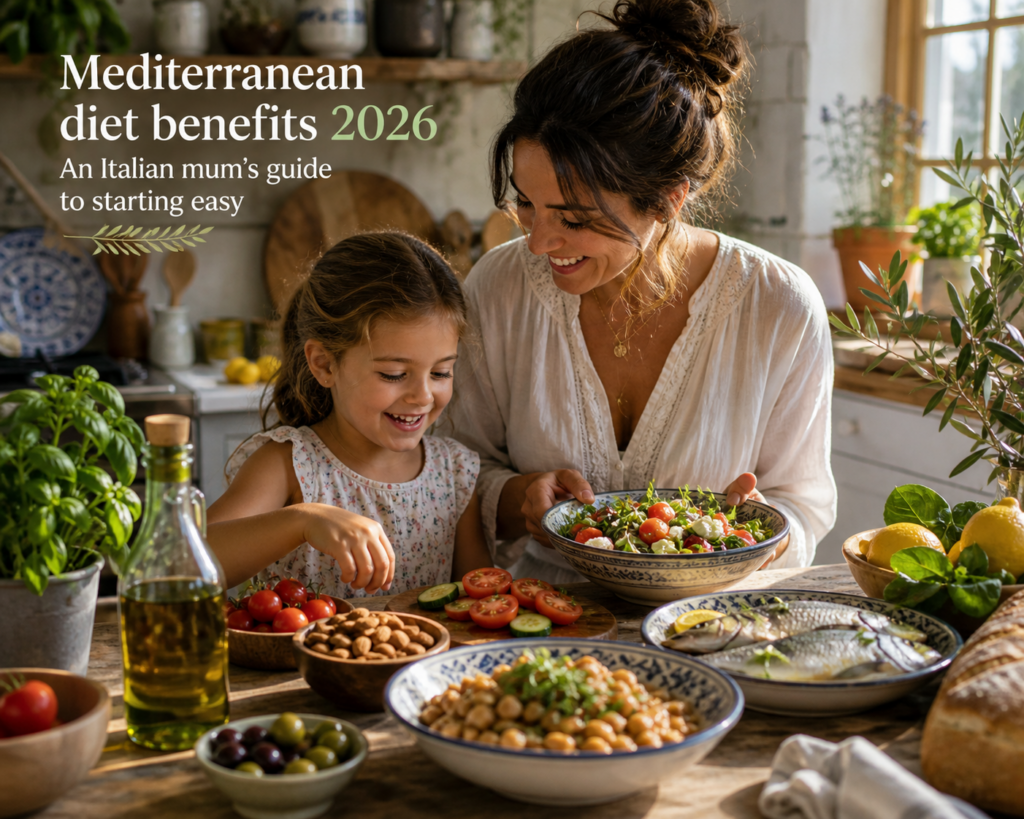
You’ve heard about the Mediterranean diet before. Maybe you’ve even tried it, or at least thought about it. But here’s the thing – unlike the endless parade of diets that come and go, this one never seems to fall out of favour with scientists. And that’s because it’s not a fad. It’s rooted in the genuine lifestyle habits of some of the healthiest populations on earth – the people living along the Mediterranean Sea.
I say this as an Italian mum who has been eating the Italian way all my life. This isn’t a diet I picked up from a magazine. It’s how I grew up, how my nonna cooked, and how I still feed my family today.
A new study, published in the Journal of Neurology, Neurosurgery and Psychiatry, found that those who ate a Mediterranean-style diet had brains that showed fewer signs of ageing over time. Researchers tracked over 1,600 adults with an average age of 60, and what they found adds meaningful weight to an already substantial body of evidence.
For anyone paying attention, this won’t come as a shock. The Mediterranean diet has been the subject of serious scientific interest for decades, and it keeps showing up in the results because it works.
So let’s talk about why this still matters in 2026 – and more importantly, how to actually start, without feeling like you need to turn your whole kitchen upside down.
And if you’re looking for family-friendly Mediterranean recipes, just type “Italian recipe” into the search button on London Mums Magazine – you’ll find a whole collection of our favourite family cooking.

Why the Mediterranean diet keeps winning
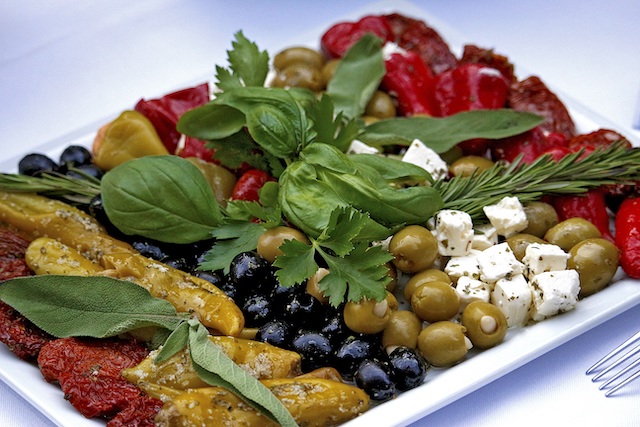
The Mediterranean diet isn’t about counting calories or cutting out entire food groups. It’s about patterns: eating more vegetables, fruits, legumes, whole grains, nuts, seeds, and fish; cooking with olive oil; and eating less red meat, processed food, and sugar.
And the evidence just keeps stacking up. Heart health, brain health, weight management, reduced inflammation – the list goes on. The latest study on brain ageing is particularly important for mums who worry about their long-term health while juggling everyone else’s needs. Taking care of your brain now is one of the kindest things you can do for your future self.
Why olive oil beats butter (and most other fats)
As an Italian, I don’t really use butter. Extra virgin olive oil is my kitchen staple. Here’s why it matters:
- Heart health: Olive oil is rich in monounsaturated fats, which help lower bad cholesterol while keeping good cholesterol stable. Butter is high in saturated fats, which can raise bad cholesterol.
- Anti-inflammatory compounds: Extra virgin olive oil contains polyphenols – natural antioxidants that reduce inflammation throughout your body. Butter has none of these.
- Brain protection: The same polyphenols in olive oil have been linked to slower cognitive decline. Animal fats don’t offer this benefit.
- Vitamin absorption: Olive oil helps your body absorb fat-soluble vitamins (A, D, E, K) from vegetables. A drizzle on your roasted carrots or spinach makes a real difference.
I use extra virgin olive oil for dressing salads, dipping bread, and low-to-medium heat cooking. For higher heat, I use light olive oil – but never butter. It’s one of the smallest changes you can make, and one of the most powerful.
How to actually start (the Italian mum way)
Starting the Mediterranean diet can feel overwhelming, especially if you’re used to quick meals and picky eaters. But here’s the secret: you don’t need to change everything at once.
Here are four simple, manageable ways to begin – the way Italians have done for generations.
1. Start with one meal, not a whole new lifestyle
Pick one dinner a week and build it around fish, beans, or lentils instead of meat. A simple baked salmon or sea bass with roasted vegetables and a drizzle of good olive oil is as Mediterranean as it gets – and it takes twenty minutes.
Don’t panic about changing every meal. One solid meal a week, done consistently, shifts your overall pattern more than a short-lived overhaul ever will.
2. Swap your cooking fat for extra virgin olive oil
This is non-negotiable in my kitchen. Replace butter with extra virgin olive oil for dressing, dipping, and cooking. Use light olive oil for higher heat. It’s one of the smallest changes you can make – and one of the most well-evidenced for long-term health.
3. Eat berries twice a week – and keep almonds handy
The latest research specifically calls out berries for their effect on brain structure. Blueberries, strawberries, raspberries – fresh or frozen, both work. Add them to porridge or yoghurt.
And almonds? I eat them every day. A small handful of raw almonds gives you healthy fats, vitamin E, and fibre. Italians have always kept nuts on the table – not as a fancy snack, but as everyday food.
4. Use more pulses – and yes, pasta is allowed
Swap one meat-based meal a week for one built around pulses. A chickpea stew with tomatoes and garlic, a bowl of lentil soup with good bread, or butter beans slow-cooked with herbs and greens.
And let’s talk about pasta. Of course, we eat pasta in Italy – but we don’t eat a giant bowl of plain white pasta. I mix pasta with proteins (like chickpeas, lentils, or small amounts of fish or chicken) and lots of vegetables. Think pasta e ceci (pasta with chickpeas), or pasta with broccoli and anchovies. That’s the Mediterranean way: balance, not extremes.
Other typical elements of the Italian Mediterranean way of eating and living
It’s not just about the food. The Mediterranean lifestyle matters just as much:
- Eating slowly, with family – Meals are not rushed in front of the telly. We sit down, talk, and enjoy the food. That alone helps digestion and portion control.
- Fresh, seasonal, local – Italians shop little and often, buying what’s fresh at the market. No need to meal-prep weeks in advance.
- Walking every day – We don’t all go to the gym, but we walk. To the shops, to the park, to a friend’s house. Movement is built into daily life.
- A glass of red wine, sometimes – With a meal, not on an empty stomach. (And obviously not during pregnancy or if you don’t drink – water is just fine.)
- Dessert is fruit, not a pastry – We eat sweet things, but not every day. A piece of fruit ends most meals.
Start small. You don’t need to be perfect.
You don’t need to throw out everything in your fridge and start again. The Mediterranean diet is forgiving, flexible, and full of real food that families actually enjoy.
Start with your cooking oil. Swap butter for olive oil. Add berries to breakfast. Eat a handful of almonds. Try one fish or pulse dinner this week.
And if you need inspiration, London Mums Magazine has lots of Mediterranean recipe inspiration – just type “Italian recipe” in the search button and you’ll find a selection of family-friendly cooking that I’ve shared over the years.
Because the best diet isn’t the one that’s most extreme. It’s the one you can actually stick with – and this way of eating, mums, has been keeping Italian families healthy for generations.
Have you tried moving towards a Mediterranean way of eating? Share your tips with us on Instagram or X – we’d love to hear from you.
Related articles

Monica Costa founded London Mums in September 2006 after her son Diego’s birth together with a group of mothers who felt the need of meeting up regularly to share the challenges and joys of motherhood in metropolitan and multicultural London. London Mums is the FREE and independent peer support group for mums and mumpreneurs based in London https://www.londonmumsmagazine.com and you can connect on Twitter @londonmums
