

When the temperature drops, getting children dressed comfortably can become a daily challenge. Trousers that worked perfectly in autumn may feel too light for chilly mornings, while bulky layers can make running, climbing, and playing less comfortable. Parents often look for clothing that offers extra warmth without making everyday activities difficult.
Fleece-lined leggings are one option worth considering for colder months. They combine the familiar fit of leggings with a soft inner layer designed to provide additional warmth. However, not every pair suits every child, activity, or climate. Understanding how these leggings work, what to look for when buying them, and how to care for them can help parents make a more informed choice.
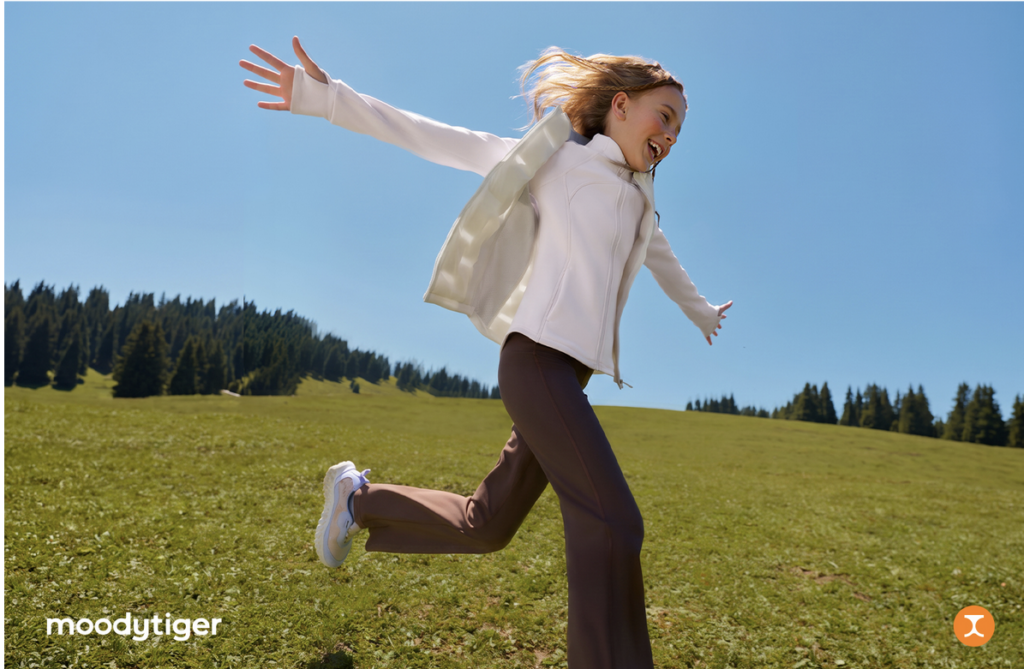
What makes fleece-lined leggings different?
Fleece-lined leggings have an inner surface designed to feel soft and help retain warmth. Unlike lightweight leggings intended mainly for mild weather or indoor exercise, these styles are generally made with cooler conditions in mind.
The lining adds another layer between the skin and the outside air. Depending on the fabric and construction, this can make leggings more comfortable on cold mornings or during outdoor activities. The outer material usually provides the stretch needed for walking, bending, and playing.
That does not mean every fleece-lined design offers the same level of warmth. Fabric thickness, fit, lining, and the weather all influence how a garment feels. Parents should consider the child’s normal routine rather than assuming that any fleece-lined pair will be suitable for every winter day.
Are fleece-lined leggings warm enough for Winter?
The answer depends on the temperature, the child’s activity level, and the rest of their outfit. Fleece-lined leggings can provide useful extra warmth in cool weather, particularly when children are walking to activities, playing in the garden, or spending time outdoors between indoor lessons.
In milder winter conditions, they may be comfortable on their own with a suitable top and jacket. During colder weather, children may need additional layers, insulated outerwear, and appropriate footwear. Leggings should not be treated as a substitute for weather protection in freezing temperatures or severe conditions.
How should parents dress children for changing temperatures?
Layering is often the most practical approach. A comfortable base layer, warm leggings, and a suitable outer layer allow parents to adjust clothing as the day changes. If a child moves from a cold playground into a heated building, being able to remove an extra layer can prevent overheating.
Pay attention to your child’s comfort rather than relying only on the weather forecast. Children who are running around may feel warmer than those sitting still. Check whether they seem too hot or cold and adjust their clothing accordingly.
Are they comfortable enough for everyday wear?
Comfort depends on more than softness. Leggings should allow children to bend their knees, sit on the floor, climb stairs, and move naturally without constant pulling or adjusting.
A suitable waistband should stay in place without digging into the skin. The fabric should feel comfortable, and the leg length should work with the child’s shoes and other clothing. Seams and labels are worth checking if a child is sensitive to rubbing or scratchy materials.
Can girls wear them for school, play, and family outings?
In many cases, yes. Fleece-lined leggings can be paired with long tops, jumpers, sweatshirts, dresses, or tunics. This versatility makes them useful for ordinary family routines, although parents should check school uniform rules where relevant.
For active play, look for a fit that supports movement rather than restricting it. Children should be able to squat, stretch, and run comfortably. A garment that feels warm but limits movement may end up staying in the drawer.
When choosing warm leggings for girls, consider the child’s daily activities alongside the weather. A pair suitable for a short walk may not be the best option for extended outdoor play in very cold conditions.
How Should Parents Choose the Right Size?
Sizing is particularly important with leggings because the garment sits close to the body. If the waistband is too tight, the child may find it uncomfortable after sitting for a while. If the leggings are too loose, they may slip down or bunch around the knees and ankles.
Should you buy a larger size so they last longer?
Buying a larger size can sometimes provide room for growth, but excessive looseness may affect comfort and movement. The better approach is to consult the retailer’s size chart and compare it with the child’s current measurements.
Measure the child’s height and, where the size chart requires it, waist and hip measurements. Age can be a useful starting point, but children of the same age may have very different proportions.
Check the product’s fit guidance before ordering. Some leggings are designed to sit close to the body, while others have a more relaxed cut. If your child falls between sizes, follow the manufacturer’s recommendation rather than automatically choosing the larger option.
What Should Parents Check Before Buying?
The best choice depends on how the leggings will be used. Start with the fabric, lining, fit, and care instructions. A thicker lining may be useful for colder days, while a lighter design may work better in milder weather or during active movement.
Also consider how the leggings will coordinate with clothing already in the wardrobe. Neutral colours can work with several tops, while patterned styles may appeal to children who enjoy more colourful outfits.
Durability matters as well. Children often kneel, stretch, and play on different surfaces, so inspect the construction and care guidance. No fabric is immune to wear, but following washing instructions can help maintain its appearance and fit.
Cloudie Solar Fleece Leggings for Winter Comfort

When choosing leggings for colder weather, the fabric and fit matter just as much as the style. Cloudie Solar Fleece Leggings are designed for children who need warmth without losing the freedom to move. Made from 80% polyester and 20% elastane, they feature a fleece-lined interior that helps provide extra comfort on chilly days. This makes them a practical option for outdoor activities during winter, whether a child is walking to school, exploring the park or enjoying time outside with family.
The leggings also feature 360° four-way stretch, allowing the fabric to move with the body in different directions. This flexibility can be useful for children who run, bend, climb and change activities throughout the day. Their relaxed fit offers a comfortable feel for everyday movement without making the garment feel overly restrictive. Together, the fleece lining, stretch fabric and relaxed design make Cloudie Solar Fleece Leggings worth considering for a winter wardrobe. As with any clothing purchase, parents should check the available sizing and care instructions to make sure the leggings suit their child’s needs.
How Do You Wash Fleece-Lined Leggings?
Care instructions vary by fabric, so always check the garment label before washing. In general, using a gentle wash cycle and avoiding unnecessarily high temperatures can help preserve the fabric’s feel and shape.
Turn leggings inside out if the care label allows it, and separate them from items with rough fastenings that could cause friction. Avoid using more detergent than necessary, as residue can affect how fabrics feel against the skin.
Parents exploring children’s clothing options can browse the moodytiger leggings collection to compare different styles and consider which designs best match their family’s needs.
Is tumble drying a good idea?
Not always. Heat can affect some stretch fabrics and may reduce their useful life. Check the care label to see whether tumble drying is permitted. Air drying is often a practical alternative when space and weather allow.
Store leggings only when they are dry. If the lining feels damp after outdoor use, allow the garment to dry fully before putting it away. This simple habit helps keep clothing ready for the next wear.
Can Fleece-Lined Leggings Replace Thermal Base Layers?
Not in every situation. Fleece-lined leggings provide additional warmth, but the level of insulation varies between products. In very cold conditions, a dedicated thermal base layer beneath suitable outer trousers may be more appropriate.
Parents should also consider how much activity the child will be doing. A child walking briskly may need different layers from one sitting outside for a long period. Too many layers can cause overheating, while too few may leave the child uncomfortable.
For winter walks, outdoor excursions, or extended time in cold weather, choose clothing according to the forecast and the activity. Waterproof or wind-resistant outerwear may also be necessary when conditions demand it.
How Many Pairs Does a Child Really Need?
There is no single number that works for every family. The right amount depends on how frequently the leggings are worn, how quickly laundry gets done, and whether the child has other suitable trousers.
Start by considering a typical week. If leggings are part of the daily routine, having enough pairs to cover laundry days can be helpful. If they are used only during colder spells, fewer pairs may be sufficient.
It is also useful to check the wardrobe before shopping. Children may already have comfortable leggings that work with warmer layers. Buying additional pairs makes sense when existing clothing no longer fits, has become worn, or does not suit the coming season.
The Best Choice Is the One That Fits Real Life
Fleece-lined leggings can be a useful addition to a child’s cold-weather wardrobe, offering extra warmth for everyday activities without the bulk of some heavier trousers. Their suitability depends on the lining, fit, weather, and how the child spends the day.
Before buying, check measurements, read care instructions, and consider whether the garment matches the child’s routine. Remember that fleece-lined leggings are not a replacement for appropriate winter outerwear in severe conditions, and different leggings styles serve different purposes.
With a little attention to comfort and practical needs, parents can choose clothing that supports movement, makes dressing easier, and helps children stay comfortable as the seasons change.

Monica Costa founded London Mums in September 2006 after her son Diego’s birth together with a group of mothers who felt the need of meeting up regularly to share the challenges and joys of motherhood in metropolitan and multicultural London. London Mums is the FREE and independent peer support group for mums and mumpreneurs based in London https://www.londonmumsmagazine.com and you can connect on Twitter @londonmums
