

Preparing a home for a newborn is one of the most exciting yet overwhelming phases of early parenthood. From choosing non-toxic crib mattresses to organising swaddles, modern parents are tasked with making dozens of decisions that directly impact their baby’s comfort and security. Among these decisions, selecting a reliable infant monitor stands as a foundational step in establishing a functional, safe environment where both infants and parents can rest easy. Designing a modern nursery requires more than just picking a cohesive color palette; it involves a thoughtful integration of daily ergonomics, safety standards, and smart monitoring solutions tailored to your family’s unique lifestyle.
1. Establishing the Safe Sleep Zone
The cornerstone of any nursery design is the sleep area. Pediatric medical guidelines consistently emphasize the importance of creating a minimalist, clutter-free sleeping environment to minimize risks and foster healthy sleep habits.
Crib Placement and Structural Safety
Positioning the crib correctly within the room is the first physical safety barrier you create.
- Keep Away from Windows: Windows introduce thermal drafts, direct sunlight, and potential hazards like blinds or corded coverings. Ensure the crib is placed along an interior wall away from glass frames.
- Manage Overhead Hazards: Avoid hanging heavy artwork, floating shelves, or large wall hangings directly above the crib frame.
- Anchoring Furniture: Heavy items such as dressers, changing tables, and bookshelves must be securely anchored to the wall studs using anti-tip hardware to prevent accidental tip-overs as your child grows and begins pulling themselves up.
Mattress Choice and Bedding Essentials
A firm, flat sleeping surface is non-negotiable for infant safety.
- Firmness Standards: Choose a mattress specifically rated for infants. It should fit snugly inside the crib frame, leaving no gap larger than two fingers between the mattress edge and the inner frame.
- The Bare Crib Principle: Keep the crib interior entirely free of soft objects. Pillows, plush toys, bumper pads, and heavy quilts should be kept out of the sleeping space. Instead, utilize fitted crib sheets made from breathable, natural fibers like organic cotton and rely on wearable sleep sacks to regulate body temperature.
2. Incorporating Smart Nursery Technology
Modern parenting technology has evolved far beyond simple audio static. Today’s nursery tools offer peace of mind, allowing parents to keep a watchful eye and ear on their resting child while maintaining their daily routine elsewhere in the home.
Selecting the Right Monitoring System
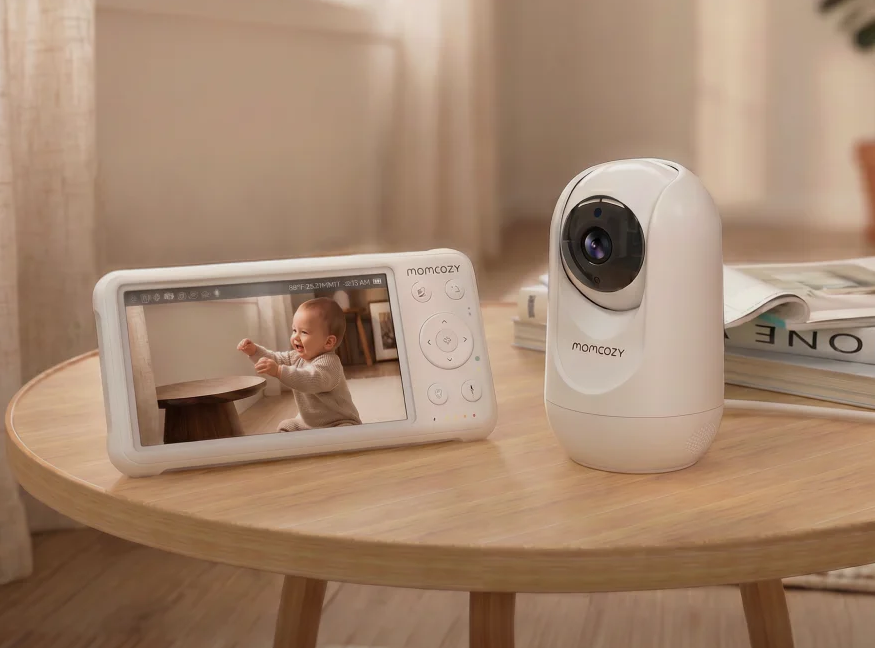
When evaluating monitoring equipment, parents generally choose between local dedicated frequency setups and Wi-Fi-enabled smart systems. Each approach offers distinct advantages depending on your household layout and lifestyle needs:
- Dedicated Local Signal Systems: These units communicate directly between the camera and the handheld display unit using secure FHSS (Frequency Hopping Spread Spectrum) technology. They operate independently of home internet connections, offering instant zero-lag video feeds, plug-and-play simplicity, and complete immunity from potential network outages.
- Wi-Fi Smart Systems: Networked cameras allow parents to stream video feeds directly to smartphone applications. This is particularly appealing for working parents or caregivers who want to check in on sleep patterns while away from home.
Optimal Camera Angle and Cable Safety
Proper placement of video feed devices is essential for gaining a clear, unobstructed line of sight into the crib without introducing physical hazards.
- Height and View: Mount the camera high on a wall adjacent to the crib or position it on a secure shelf, angling the lens downward to cover the entire sleep area.
- Cord Concealment: Power cords represent a significant strangulation hazard. Ensure all power cables are encased in rigid wall-mounted cord covers and kept at least three feet away from any reach point within or around the crib.
3. Optimizing the Nursery Environment: Air Quality, Light, and Sound
Infants are highly sensitive to their immediate physical environment. Creating optimal ambient conditions supports longer, uninterrupted rest cycles and protects delicate respiratory systems.
Thermal Comfort and Humidity Control
Maintaining an appropriate room temperature helps prevent overheating, which is a recognized risk factor during early infancy.
- Ideal Temperature Range: Target a room temperature between 68°F and 72°F (20°C to 22°C).
- Humidity Control: Aim for an ambient humidity level of 40% to 60%. Utilizing a cool-mist humidifier during drier winter months can keep infant nasal passages clear and ease night breathing, while periodic ventilation keeps air moving.
Strategic Lighting Solutions
Lighting dictates the body’s circadian rhythm, helping newborns distinguish between daytime activity and nighttime sleep.
- Blackout Window Treatments: Installing blackout curtains helps block early morning light and daytime street traffic illumination, facilitating smoother afternoon naps.
- Dimmable Nightlights: For late-night diaper changes and feeding sessions, opt for low-wattage, warm-toned nightlights (preferably red or amber spectrum). Warm lighting avoids suppressing melatonin production, making it easier for both parent and baby to return to sleep quickly.
Acoustic Comfort and White Noise
Gentle, continuous sound masks sudden household noises, such as footsteps or door latches, that might startle a sleeping infant.
- White Noise Machines: Continuous low-frequency white or pink noise mimics the rhythmic acoustic environment of the womb.
- Decibel Safety: Always place sound machines at least six feet away from the crib and keep the output level below 50 decibels to ensure long-term auditory safety.
4. Designing an Ergonomic Feeding and Care Station
Nighttime care routines require quick access to essential supplies in a well-organized layout. Designing an ergonomic station reduces strain during half-asleep midnight changes.
The Changing Area Setup
- Everything Within Arm’s Reach: Store diapers, wipes, rash creams, and spare onesies in accessible drawers or hanging organizers right next to the changing pad. You should never have to take a hand off your baby or step away from the changing table to grab a necessary supply.
- Sanitary Surfaces: Choose wipeable, non-porous changing pads with safety straps to ensure quick cleaning and secure positioning.
Comfortable Feeding Nooks
Whether nursing or bottle-feeding, parents spend countless hours sitting in the nursery.
- Supportive Seating: Select a comfortable glider or rocking chair equipped with adequate lumbar support.
- Side Lighting and Storage: Keep a small, easily reachable side table nearby to hold water bottles, burp cloths, nursing pillows, and a soft dimmable light switch.
Creating a Sustainable, Adaptable Space
A well-designed nursery balances immediate infant safety with long-term adaptability. By focusing on essential sleep safety principles, regulating environmental factors like light and temperature, and integrating intuitive technology, you create a supportive environment that simplifies daily routines. As your baby transitions from newborn care to independent movement, a thoughtfully planned room easily adapts to support every developmental milestone along the way.

Monica Costa founded London Mums in September 2006 after her son Diego’s birth together with a group of mothers who felt the need of meeting up regularly to share the challenges and joys of motherhood in metropolitan and multicultural London. London Mums is the FREE and independent peer support group for mums and mumpreneurs based in London https://www.londonmumsmagazine.com and you can connect on Twitter @londonmums
