

Between school runs, packed lunches and bedtime routines, many mums are finding creative ways to utilise their passions and earn extra income around family life. Whether you’re selling handmade children’s accessories at the school gates, creating content between nap times or turning your passion for baking into a weekend business, a side hustle can be a flexible way to bring in some extra money.
But once your hobby starts generating income, it’s important to understand whether there are any tax responsibilities and whether you need to register for Self Assessment. Kevin Hubbard, Director of Small Business & Individuals from HM Revenue and Customs (HMRC), has answered some of the most common tax questions about side hustles.
What counts as a side hustle?
A side hustle is any extra income you earn outside of your main job. Many successful side hustles start as hobbies. This often includes things like making and selling crafts, kids’ clothing or accessories; offering a service such as childminding, photography, beauty treatments, dog walking, tutoring or fitness classes; and content creation and influencing, such as posting parenting or lifestyle content on social media.
This is just a hobby I do in my spare time. Do I still need to tell HMRC?
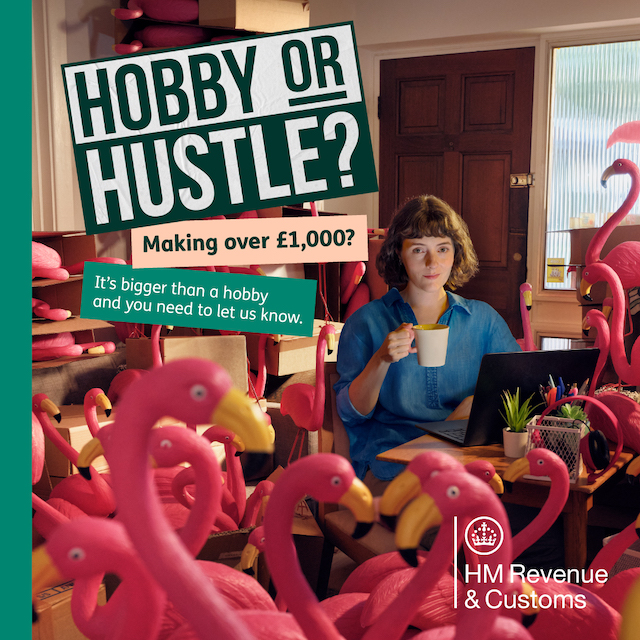
It depends on how much you earn. Once a hobby starts generating income, you need to consider whether you have tax obligations. If it is more than £1,000 in a tax year, you will need to tell HMRC and check if you need to pay tax, even if it began as a passion project. The £1,000 figure is known as the trading allowance and it covers all your side hustle income added together not each activity separately.
When in doubt, the “Where is your additional income from?” tool on GOV.UK will help clarify your position in a few minutes.
I make personalised items, like name banners or cake toppers, as gifts, but now people pay me for them. When does this become something I need to declare?
It becomes a side hustle once you’re regularly selling for payment rather than simply making things as gifts. If your income from this is more than £1,000 in a tax year, whether alone or combined with any other side hustles, you need to let HMRC know.
What if I’m doing a few different things, like selling crafts and also getting paid for tutoring?
All your side hustle income counts towards the £1,000 threshold combined. For example, if you earn £600 from selling handmade items and £500 from tutoring in a tax year, your total is £1,100, which means you’d need to let HMRC know.
I’m just clearing out old baby clothes and toys my kids have outgrown. Do I need to declare that?
No. Selling your own unwanted personal belongings, like decluttering a wardrobe or passing on outgrown kids’ items, doesn’t usually count as trading and doesn’t need to be reported. The key difference is intention and regularity. If you’re regularly buying or making things specifically to sell for profit, or providing a service for payment, that is likely to count as trading.
I post about parenting products on social media and sometimes get paid or sent free products. Does that count as income?
Yes, content creation and influencing are a key area covered by HMRC’s Tax Help for Hustles guide. Payment doesn’t have to be cash to count. Gifted products, free services or other non-cash benefits received in exchange for posts can also count as taxable income, depending on the circumstances. If you’re earning money or benefits in kind from sponsored content, affiliate links or brand partnerships, it’s worth checking your position on GOV.UK.
I started a mums’ baby group and now charge a small fee. Does that count?
Yes, if you’re charging for a service, whether that’s a baby massage class, a toddler sensory group or a postnatal fitness session, this is treated the same as any other side hustle. If your total income from this and any other side hustles is more than £1,000 in a tax year, you’ll need to check whether you need to register for Self Assessment.
I only do my side hustle during school terms, or it’s quite irregular. Does that make a difference?
No. Whether your side hustle is regular, seasonal or irregular, such as making and selling costumes for World Book Day or selling homemade cakes mainly around birthdays and Christmas, what matters is your total income over the tax year, not how often you earn it. If your combined side hustle income is more than £1,000 across the year, you may need to declare it, even if the money came in short bursts.
When do I need to declare my income? What are the key dates I need to know?
For the 2025 to 2026 tax year, the deadline for submitting online Self Assessment tax returns and paying any tax due is 31 January 2027. If you earned more than £1,000 from a side hustle in 2025/26 and have not previously needed to register for Self Assessment, you should register with HMRC as soon as possible.
If you started your side hustle in the 2026 to 2027 tax year, you will need to register for Self Assessment from 6 April 2027.
What happens if I miss the deadline?
You may face penalties so it’s important to register, submit your tax return and pay any tax owed on time.
What if my side hustle has slowed down, or I’ve stopped altogether?
If you no longer need to file a Self Assessment return, because you have stopped trading, sold your business, retired or ceased self-employment for another reason, you should tell HMRC as soon as possible to avoid a late-filing penalty even if you have no tax to pay. HMRC won’t automatically know if your circumstances have changed.
I run my side hustle around nap times and school pick-ups. Will keeping records be complicated?
Not necessarily. Many successful side hustlers, including parents, say the key is little and often. Keeping a simple spreadsheet with invoices, outgoings, subscriptions and any mileage as you go, rather than leaving it all until the end of the year, makes filling in a tax return far quicker and simpler than people expect.
Where can I get more help?
HMRC’s Tax Help for Hustles guide covers four key areas relevant to many mumpreneurs: buying or making things to sell, providing a service, content creation and influencing, and renting out property. There’s also further guidance on GOV.UK about the trading allowance and completing a Self Assessment tax return, including who needs to do one.
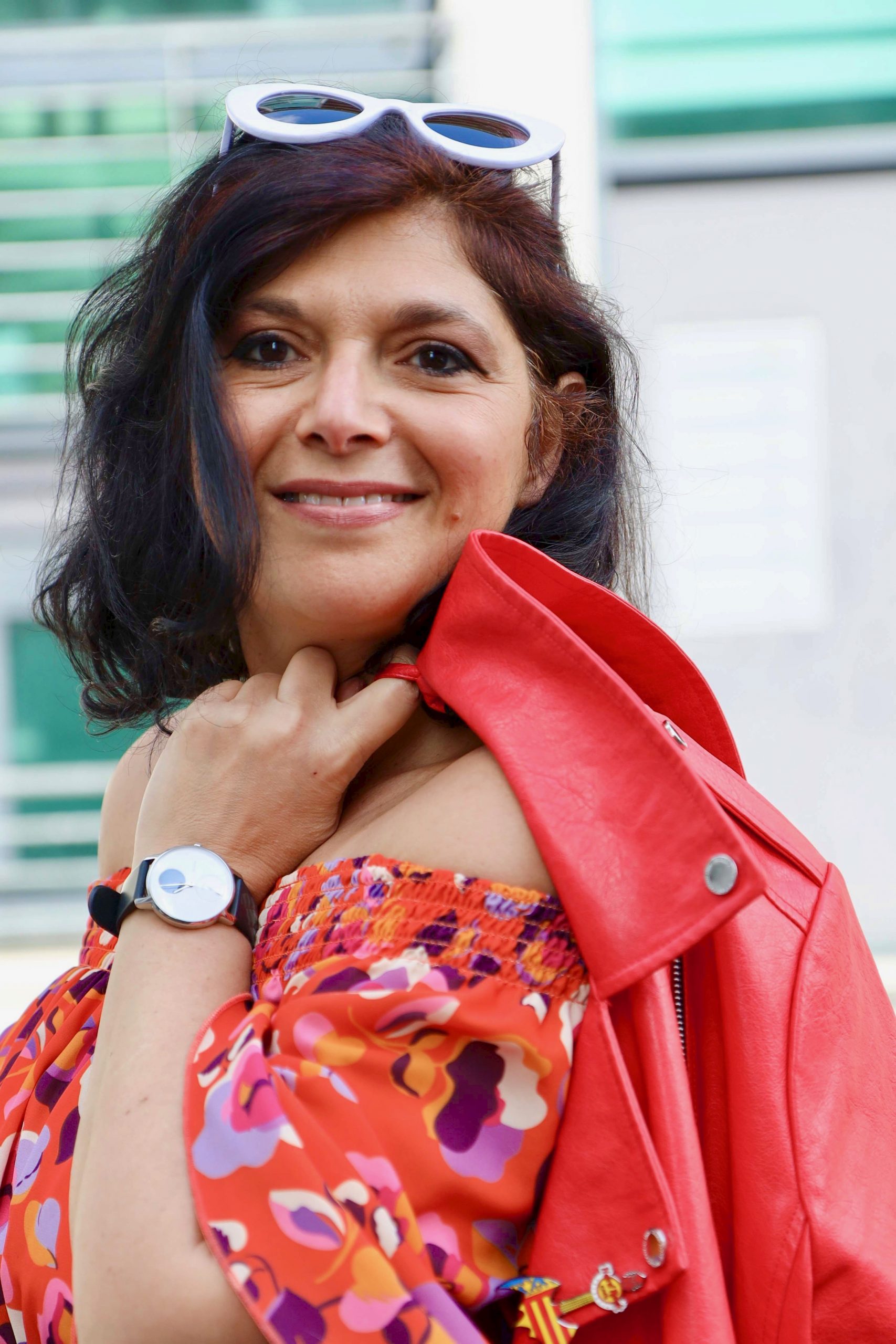
Monica Costa founded London Mums in September 2006 after her son Diego’s birth together with a group of mothers who felt the need of meeting up regularly to share the challenges and joys of motherhood in metropolitan and multicultural London. London Mums is the FREE and independent peer support group for mums and mumpreneurs based in London https://www.londonmumsmagazine.com and you can connect on Twitter @londonmums
