

Many parents face the same nightly struggle: a child who refuses to sleep in their own room. What begins as an occasional request to share a bed can quickly become a persistent habit, leaving families exhausted and unsure how to restore healthy sleep routines. The reasons behind this behaviour vary widely, from separation anxiety and fear of the dark to simple comfort-seeking after a bad dream.
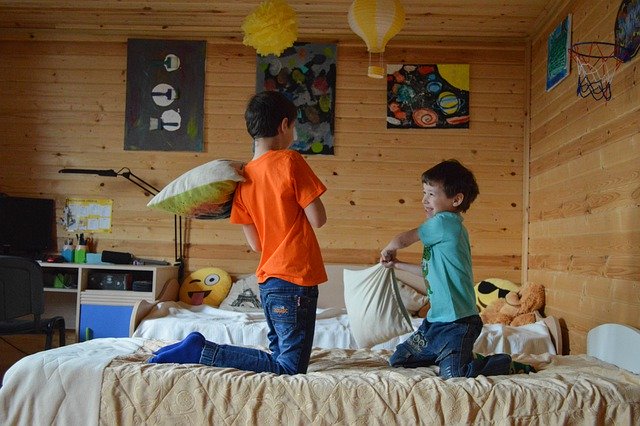
Figuring out why children resist sleeping alone is the first step towards finding a solution. Young children often don’t have the emotional tools to self-soothe, making the transition to independent sleep more difficult than parents anticipate. Meanwhile, older children may have developed associations between their own room and feelings of isolation or boredom, preferring the reassurance of a parent’s presence.
Addressing this issue requires patience and consistency. Small changes to the bedroom environment, gradual adjustments to bedtime routines, and clear boundaries can all play a role in helping children feel secure enough to sleep independently. The goal isn’t to force compliance overnight, but to build confidence and comfort over time, ensuring that both children and parents get the rest they need.
Impact of Sleep Environment on Children’s Comfort
The physical environment plays a bigger role in sleep resistance than many parents expect. Parents researching sleep solutions can find helpful guidance on bedding options designed for children by visiting bed stores near me. Children often sleep best in rooms kept between 16 and 20 degrees Celsius. A room that is too warm or too cold can cause restlessness.
Lighting matters too. Blackout curtains can reduce early morning waking. A small nightlight can ease fear of the dark without changing the sleep environment much. The colour and intensity of lighting should be carefully considered, as blue-toned lights can interfere with melatonin production.
Bedding comfort is another point worth considering. A mattress that is too firm or too soft for a child’s size can cause discomfort and broken sleep. Familiar textures, a favourite blanket, or a well-loved soft toy can also create a sense of safety.
Noise levels also affect sleep quality. White noise machines can mask household sounds that might wake a child during lighter sleep phases. The bedroom should feel like a calm, predictable sanctuary rather than a place of uncertainty.
Gradual Transition Strategies That Work
There is no single method that works for every child. The camping out method is a practical solution for sleep resistance. With camping out, a parent sits close to the child’s bed at the start, offering comfort and reassurance. Each night, the parent’s chair is moved gradually further from the bed.
A consistent bedtime routine also makes a real difference. A 30 to 45 minute wind-down period creates predictability. This might include a bath, a story, and quiet time. Children feel safer when they know what comes next. The routine should happen at the same time each evening.
Reward charts are supported by clinical observations in NHS sleep clinics. A parent might offer a sticker or star for each night the child remains in their own bed. The key is making rewards immediate and relevant. Visual progress creates clear expectations and encourages repeat behaviour.
Allowing children to choose their own bedding or a small piece of room decoration can increase ownership. Leaving the bedroom door open or using a nightlight are small compromises that ease the transition.
When to Seek Professional Guidance
Most sleep resistance gets better with consistent effort over several weeks. However, some children need additional support. If sleep refusal has lasted for an extended period, it may be worth speaking to a GP. This is especially true if it affects the child’s mood, behaviour, or school performance.
The NHS offers sleep clinic referrals for children with ongoing difficulties. Professional intervention can be effective for children who experience persistent behavioural sleep issues. Sleep specialists can identify underlying conditions such as sleep apnoea or restless leg syndrome.
Common Mistakes Parents Make During Sleep Training
One of the most frequent errors is inconsistency between parents. When one parent holds firm and the other gives in, children quickly learn which approach gets results. Both caregivers need to agree on the approach and follow through together.
Giving in after prolonged crying is another frequent mistake. It teaches children that persistence works. This reinforces the very behaviour parents are trying to change. While it feels difficult in the moment, repetition is what creates lasting change.
Starting sleep training during a stressful period also sets families up for difficulty. This includes times of illness or family upheaval. Timing matters. Wait until life is relatively stable before beginning a new sleep routine.
Expecting fast results creates unnecessary frustration. Most sleep training methods take several weeks to show real effect. Some children need even longer, particularly if sleep resistance has been ongoing for months. Comparing one child’s progress to another’s ignores individual differences.

Monica Costa founded London Mums in September 2006 after her son Diego’s birth together with a group of mothers who felt the need of meeting up regularly to share the challenges and joys of motherhood in metropolitan and multicultural London. London Mums is the FREE and independent peer support group for mums and mumpreneurs based in London https://www.londonmumsmagazine.com and you can connect on Twitter @londonmums
