

You know the drill. You wake up exhausted, spend the morning hunting for the coffee pot, snap at the kids over packed lunches, and by 3pm you’re eyeing the biscuit tin like it holds the meaning of life. Sound familiar?
You probably blame the school run, the sleepless nights, or the general chaos of modern parenting. And you’re not wrong. But a major new report suggests something else might be quietly sabotaging your energy, mood, and patience: your diet.
According to the Dietary Deficits and Future Health and Wellness Fallouts report from the Health and Food Supplements Information Service (HSIS), millions of us are walking around with what experts call a “honeycomb” of vitamin and mineral deficiencies. And the cost?of?living crisis is making it worse.
Let’s break down the findings and, more importantly, what you can actually do about it without remortgaging your house or living on kale.
The numbers don’t lie (and they’re a bit scary)
The HSIS surveyed over 1,500 UK adults. Brace yourself:
- 93% admit their diet could be healthier (join the club, love).
- 73% are worried they’re not getting all the nutrients they need.
- Only 7% have no concerns about nutrient gaps. Seven percent! That’s basically people who own a personal chef and a small farm.
And here’s the kicker: six in 10 say the cost-of-living crisis has impacted their food choices. A third say healthy foods are now too expensive.
So it’s not just that we’re tired and busy. We’re also trying to feed our families on a budget while supermarkets charge £3 for a pepper. It’s exhausting.
What’s missing from our plates?
The report highlights serious shortfalls in:
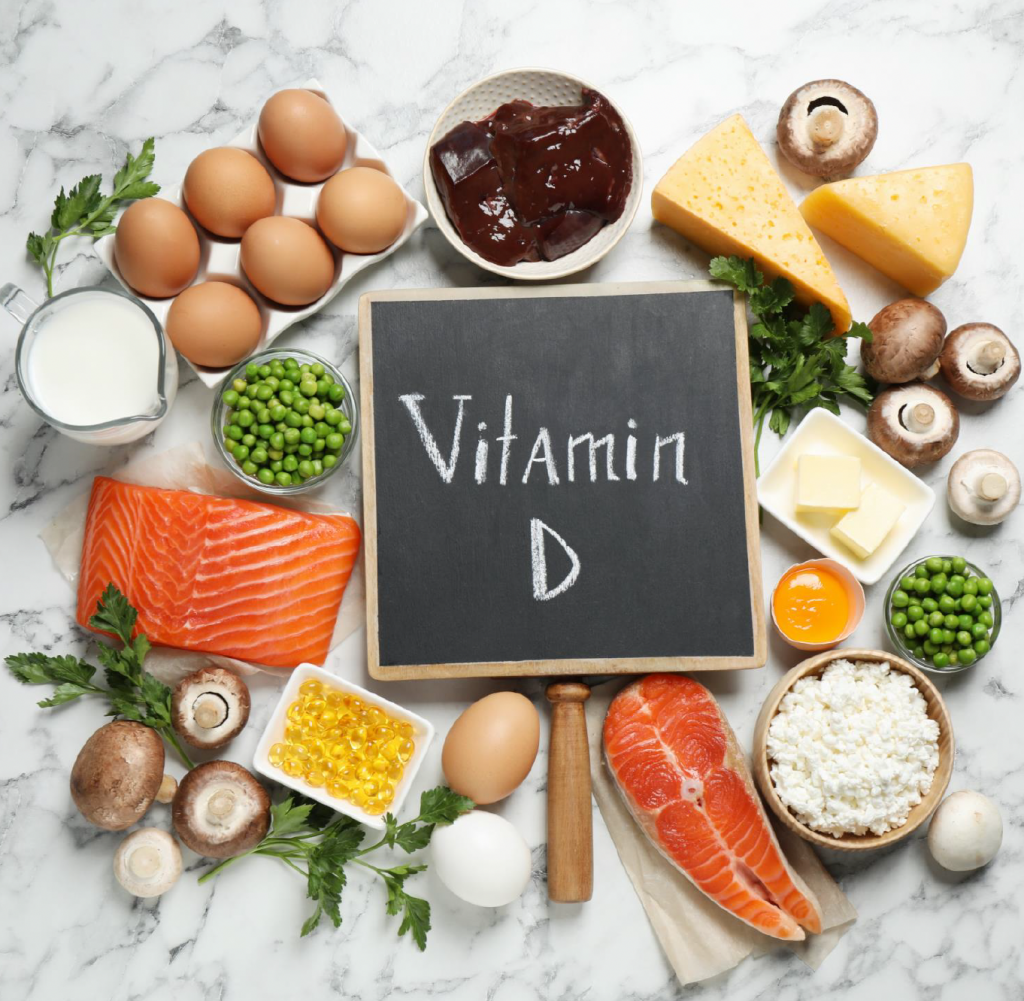
- Vitamin D (the sunshine vitamin; we live in Britain, so no surprise)
- Iron (vital for energy and brain function)
- Calcium (for bones and teeth)
- Folate (especially important for women of childbearing age)
- Omega-3 fatty acids (brain and heart health)
- Selenium, iodine, potassium (all doing important behind-the-scenes work)
And because nutrients work together, vitamin D helps you absorb calcium, vitamin C boosts iron uptake, one deficiency can trigger a domino effect. It’s like a Jenga tower of health, and we’re pulling out bricks without realising.
The everyday symptoms you’re probably ignoring
The report found that many of us are already experiencing signs of nutrient gaps, including:
- Tiredness (49%)
- Low energy (41%)
- Sleeplessness (34%)
- Low mood (30%)
- Fatigue (29%)
- Stress or anxiety (26%)
Sound like a typical Tuesday? I thought so. The experts say we often dismiss these as “just life”, but they could be your body waving a white flag.
Dr Nisa Aslam, a GP and adviser to HSIS, explains: “Many patients don’t realise that common symptoms like fatigue, bloating, low mood or brain fog can be linked to nutritional shortfalls. Often, it’s not just one nutrient; it’s a combination.”
The good news: small changes, big difference
You don’t need to become a wellness influencer or spend a fortune at Whole Foods. Here are five practical, budget-friendly tips from the report’s experts.
1. Love your oily fish (or fake it with a supplement)
Only 14% of adults eat oily fish regularly. That means 86% of us are missing out on omega?3s, which support heart, brain and immune health. Aim for two portions of fish a week, one oily (salmon, sardines, mackerel). If you hate fish or it’s too pricey, consider an omega-3 supplement (algae-based ones are vegan).
2. Eat the rainbow; no, seriously
Different coloured fruit and veg give you different nutrients.
- Orange/yellow (carrots, peppers): vitamin A for skin and eyes.
- Red/purple (berries, beetroot): antioxidants and vitamin C.
- Green (spinach, broccoli): folate, iron, magnesium.
Frozen veg count. Tinned tomatoes count. Don’t overcomplicate it.

3. Don’t skip protein
Eggs, chicken, lean red meat, beans, lentils, these keep you full and provide iron and zinc. If you’re vegetarian, pair plant-based iron (like lentils) with vitamin C (like a squeeze of lemon) to help absorption.
4. Go for wholegrains
Swap white bread for wholemeal, white rice for brown, and add beans or lentils to your meals. Most of us only get a third of the recommended 30g of fibre a day. Your gut will thank you.
5. Pair foods for better absorption
- Vitamin C (peppers, citrus) + plant-based iron (spinach, beans) = more iron absorbed.
- Healthy fats (olive oil) + colourful veg = better vitamin A and K absorption.
- Vitamin D (from sunlight or supplements) + calcium (dairy, fortified milk) = stronger bones.
Should you take supplements?
The experts say yes, not as a replacement for good food, but as a safety net. A daily multivitamin and multimineral can help bridge the gaps, especially when you’re busy, stressed, or budgeting. And if you don’t eat oily fish, an omega-3 supplement (fish oil or algae) is a smart move.
Dr Carrie Ruxton, dietitian and adviser to HSIS, puts it simply: “The simple addition of a multivitamin and multimineral supplement, plus a source of omega-3s from fish oil or algae, would be a useful first step to putting the nation’s nutrition back on the right track.”
I’m not going to tell you to throw out your fridge and live on chia seeds. I’m a mum. I know that some days “dinner” is whatever the kids didn’t finish. But this report made me stop and think: how many of my 3pm slumps, my “why am I so grumpy?” moments, and my inability to remember where I put my keys are actually down to what I’m not eating?
Probably more than I’d like to admit.
So here’s my plan: one more portion of veg a day. A tin of sardines on toast once a week (don’t judge me). And a decent multivitamin because frankly, I need all the help I can get.
Want to join me? Your energy, mood, and family might thank you.
The full HSIS report, “Dietary Deficits and Future Health and Wellness Fallouts”, is available at www.hsis.org. For personalised advice, speak to your GP or a registered dietitian.

Monica Costa founded London Mums in September 2006 after her son Diego’s birth together with a group of mothers who felt the need of meeting up regularly to share the challenges and joys of motherhood in metropolitan and multicultural London. London Mums is the FREE and independent peer support group for mums and mumpreneurs based in London https://www.londonmumsmagazine.com and you can connect on Twitter @londonmums
