

Homework reinforces the skills children have learned, teaches discipline, and prepares children for upcoming lessons. But for many students, assignments also mean stress, anxiety, and arguments at home. When parents do not discuss this matter, kids can feel alone with their academic burden.
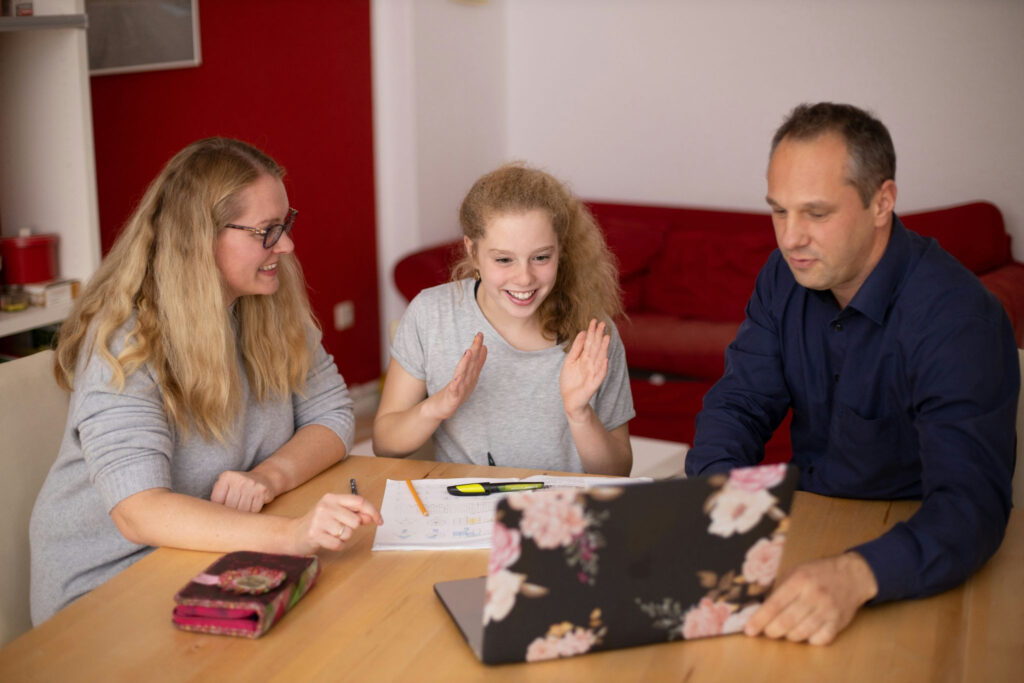
Image source
Talking openly about the stress of schoolwork can transform the overall learning environment. These conversations help families spot problems earlier, promote emotional well-being, and build healthier study habits. When children feel heard, they tend to be more honest, calmer, and more confident.
Why homework stress is more than a school problem
Homework does not stay in the classroom. It follows pupils into the kitchen, bedroom, car, and weekend plans. Deadlines, grades, online assignments, and exam preparation all impact sleep, mood, and relationships with family.
Parents may see unfinished worksheets, but youngsters may experience something more profound. They could be afraid of failing, comparing themselves to classmates, or worrying about disappointing adults. When students are fatigued or confused, brief assignments can seem overwhelming.
Academic pressure can build quietly
Many youngsters do not say, “I am stressed out.” Instead, they whine, procrastinate, or rage. Some will cry over basic exercises. Others may hide tasks if they feel humiliated.
Not all of these reactions mean laziness. They can be indicators of school anxiety, poor time management, or confusing directions. Parents have to look beneath the surface and ask gentle questions.
Useful indications of homework stress can include:
- suddenly getting mad when studying;
- headaches or stomachaches;
- difficulty sleeping before school;
- avoiding books, notebooks, or learning applications;
- talking negatively about grades;
- losing interest in hobbies;
- panicking when someone mentions a deadline.
Not every youngster who shows these signs has a significant problem. But they do suggest that homework may be affecting emotional balance. A calm conversation can disclose the truth.
How open conversations help children feel safer
Kids need to be told that there is nothing humiliating about academic struggles. A strong message is sent when parents are willing to talk openly. Effort counts, but mental well-being counts too.
Talking it out helps reduce anxiety about grades. It also helps children communicate difficulties clearly. Eventually, kids learn to ask for help before the pressure becomes too much.
Better communication builds trust
Some parents only bring up homework when something goes wrong. This can make children associate schoolwork with criticism. A better way is to discuss the issue before frustration appears.
Simple questions are helpful. Parents can ask what aspect feels hard, how long the task will take, or what support would help. The goal is not to control every response. The aim is to understand the child’s learning experience.
Open talks also help parents notice when stress comes from one demanding subject, not from homework in general. A child may handle reading or history well, yet freeze during coding tasks because one missed concept changes the whole result. Java can be especially stressful for beginners, since syntax errors, loops, classes, and debugging require steady practice. Family explanations may no longer be enough, especially after several failed attempts. When a deadline is close, parents may discuss Java homework help with the child as one academic option, not a reason for shame. This kind of conversation should still include the student’s feelings, teacher expectations, and future study habits. The aim is to reduce panic, not to ignore learning. Later, parents can ask what part of the topic felt unclear and plan a calmer review.
Common reasons students feel overloaded
Many factors might contribute to homework stress. Sometimes the work is too hard. In other cases, the difficulty comes from bad scheduling, distractions, or fear of making mistakes.
Families should not blame the child too quickly. A student may have to deal with multiple stresses at the same time. Sports, music classes, social issues, exams, and screen habits can all impact focus.
Workload, sleep, and motivation are connected
A fatigued child learns more slowly. A pupil who is hungry or overstimulated also has trouble concentrating. When the body and mind need rest, homework is more difficult.
Parents need to view study habits as part of a larger routine. Sleep, mobility, nutrition, and spare time help support greater academic achievement. A good balance can make school assignments seem more manageable.
There are several things that often add to the pressure of homework:
- Complicated instructions can make simple activities seem harder.
- Long study hours reduce patience and attention.
- Fear of low marks can create emotional stress.
- Too many activities leave too little time to relax.
- No breaks can make learning feel endless.
These are frequent problems, but they can be improved. Parents and kids can change routines together. Little modifications generally lead to more progress than big rules.
What parents should say during homework discussions
The words parents choose count. Even when adults mean well, negative words can make embarrassment worse. Supportive language makes youngsters feel respected.
Parents can say, “What made it hard to start today?” instead of, “You always leave things late.” That keeps the conversation open. It also allows the child to explain.
Focus on solutions, not blame
A productive conversation should transition from feelings to action. Parents can name the tension, listen well, and then plan the next move. This teaches problem-solving without fear.
Children need fair expectations too. Some assignments will not be ideal. Progress, tenacity, and better organization are good things as well.
Parents can say something like:
- i can see this feels frustrating;
- let’s divide the task into smaller parts;
- you do not have to solve everything at once;
- tell me what the teacher asked you to do;
- we can make a plan for tomorrow;
- taking a short break may help your focus.
These sentences sound simple, but they relieve anxiety. They depict the parent as an ally, not another source of pressure.
Creating a healthier homework routine at home
Open communication works best when it is supported by everyday routines. When study time is predictable, a child may feel less anxious. Well-defined routines lead to fewer arguments and less last-minute fear.
Parents do not have to build a flawless home classroom. A quiet table, modest supplies, and few distractions can go a long way. Consistency matters more than fancy tools.
Balance structure with flexibility
For some children, a snack helps them do better. Some need to move before sitting down. Teenagers may want a little instruction from parents but prefer to set their own routine.
A healthy schedule will contain time to focus, quick breaks, and a defined end point. Children need to realize that homework will not take up the whole evening.
When stress becomes chronic, parents might also talk to instructors. Perhaps there is too much work, or the student needs further clarification. School support can help home life become more peaceful.
Why parents should avoid turning homework into a battle
Too many families are trapped in a loop of reminders, disagreements, and tears. Homework therefore becomes a daily battle. This destroys motivation and harms the parent-child bond.
Rules still matter, but emotional safety counts as well. If youngsters feel attacked, they may stop listening. Children who feel understood are more likely to cooperate.
Emotional support improves learning confidence
Students feel more confident if they think mistakes are part of learning. Parents can exemplify this idea in conversations about schoolwork. They may value effort, strategy, and honesty.
For example, a parent might say, “You spent more time on a difficult problem today.” This message builds resilience. It also takes the focus off immaculate results.
When homework stress needs extra support
Sometimes talking openly is not enough. If stress is affecting sleep, eating, attendance, or mood for weeks, parents should seek guidance. A teacher, school counselor, tutor, or pediatric professional can help.
Extra help is not a failing. This means the family is serious about learning and well-being. Children need adults who act in concert, not those who wait for a crisis.
Parents should communicate about homework stress because silence might make pressure feel worse. Honest talks help children comprehend their feelings, manage tasks, and ask for support.
Homework will always be challenging. But it should not affect confidence, sleep, or family tranquility. When parents listen patiently, schoolwork is not so terrifying. Most importantly, children learn that they are never alone in their problems.

Monica Costa founded London Mums in September 2006 after her son Diego’s birth together with a group of mothers who felt the need of meeting up regularly to share the challenges and joys of motherhood in metropolitan and multicultural London. London Mums is the FREE and independent peer support group for mums and mumpreneurs based in London https://www.londonmumsmagazine.com and you can connect on Twitter @londonmums
