

A family living room doesn’t stay the same for long. One year, the floor is covered with wooden trains and dressing-up clothes. A few years later, the same room hosts homework, film nights, gaming sessions, and a cluster of teenagers who have somehow occupied every seat.
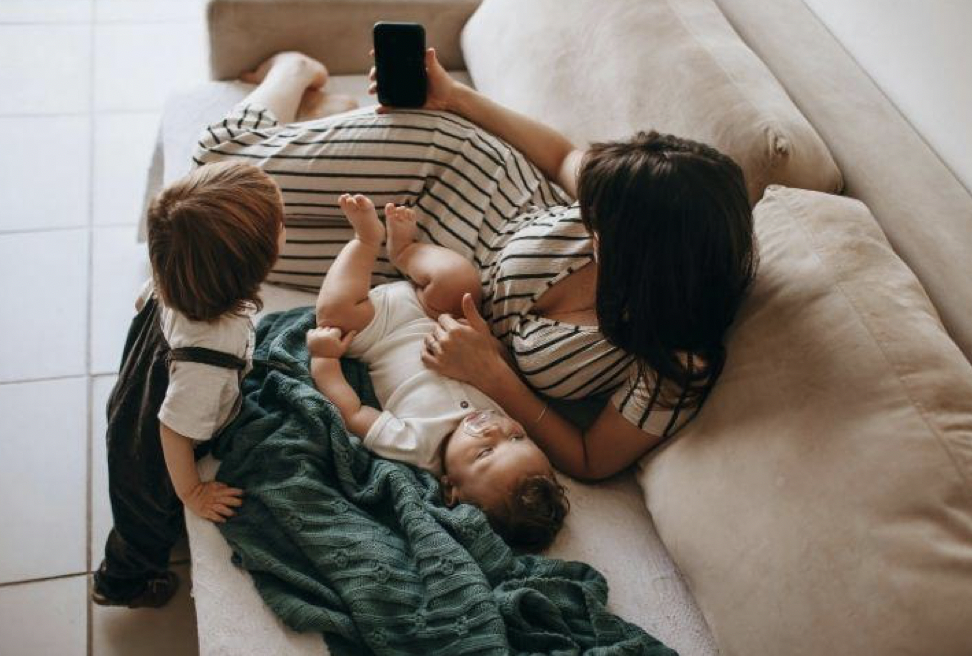
The answer is not to redecorate for each stage. It is to create a room flexible enough for changing routines while still feeling calm and grown-up. That means thinking beyond “child-friendly” décor and focusing on layout, storage, safety, comfort, and a sensible amount of privacy.
Build Around Change, Not an Age
A themed playroom can date quickly. A flexible living room lasts because its main pieces can take on new jobs.
Start with the sofa. Fixed seating may suit today’s layout but becomes awkward when crawling babies turn into children who want floor space or when teenagers arrive with friends. Modular seating can form a compact sofa, an L-shape, or separate conversation areas. A collection such as Soulfa uses individual armless, corner, and ottoman units, showing how seating can be planned as adaptable pieces rather than one immovable block. Removable, washable covers also make sense in a room that will see snacks, felt-tip pens, and muddy school uniforms.
Before buying, map the room with masking tape. Mark the sofa footprint, walking routes, doors, radiators and storage. Leave a clear patch of floor where younger children can build or play a board game. Later, the same area can hold beanbags or stools when friends visit.
Give Play Room Without Letting It Take Over
Play is more than a way to fill time. The Department for Education’s Development Matters guidance identifies three “characteristics of effective teaching and learning”: playing and exploring, active learning, and creating and thinking critically.
UNICEF Parenting’s explainer The science of play gives practical examples of children developing different abilities through play. Hiding and finding objects can exercise concentration, problem-solving, and flexible thinking. Responsive sound-making can support communication and social skills, while singing, dancing, and imaginative drawing give children ways to express emotions and ideas.
The living room can support this development without looking like a nursery. Low, closed storage is often more practical than shelves crowded with bright plastic. Sort toys into broad groups (such as building, drawing, pretend play, and puzzles) so children can find what they need and take part in tidying up.
Choose storage that can change with the room. A basket for soft toys may later hold throws. A low cabinet for art materials can become board-game or media storage. Keeping a manageable selection of toys available, rather than putting everything out at once, also makes the room easier for the whole family to use.
Make Safety Part of the Layout
Family rooms need to account for the ways small children climb, pull and test their surroundings.
The HSC Public Health Agency’s guidance for families with children under five recommends removing tripping hazards, including loose or worn mats and trailing leads or wires. It also advises arranging furniture so children cannot climb it to reach windows. Window restrictors can help prevent windows from opening far enough for a child to fall.
Anchor tall bookcases, cabinets, and television units securely. Keep heavy objects low, secure blind cords, and avoid placing tempting toys on top of furniture. Rounded tables can reduce injuries from sharp corners, while a stable ottoman may be more practical than a lightweight coffee table that moves or tips when leaned on.
Furniture labels also deserve attention. The Furniture and Furnishings (Fire) (Safety) (Amendment) Regulations 2025 came into force on 30 October 2025. They removed the requirement for display or swing labels but left permanent-label obligations unchanged for furniture covered by the 1988 Regulations. Second-hand upholstered furniture within scope must still carry a permanent label.
Plan for the Social Shift
Young children often want an adult nearby while they play. Teenagers usually want something more complicated: independence without complete isolation.
The Department for Culture, Media and Sport’s 2025 Youth Matters: State of the Nation (summary report) draws together the experiences of more than 14,000 young people in England. In its young person’s reflection, the report says: “What really stings is the lack of places to just be.”
The report also describes a decline in affordable, safe places where young people can spend time, take part in activities, and see friends. Its contributors call for more free, welcoming spaces away from school and home.
A living room cannot replace properly funded youth services or safe public facilities. It can, however, offer teenagers a comfortable, low-pressure place to see friends. The aim is light-touch supervision rather than constant monitoring. A parent passing through with drinks is very different from sitting beside the group and joining every conversation.
Arrange at least some seating so friends can face one another rather than all looking towards the television. Add a side table, accessible charging points, and softer evening lighting. A basket of blankets, durable cushions, and somewhere to leave shoes will often improve the room more than an expensive redesign.
The World Health Organization’s Adolescent Well-being Framework places secure and healthy relationships at the center of adolescent well-being. WHO also notes that parents and caregivers have an important role in creating a safe and nurturing environment for growth and development.
This does not mean a particular sofa or room layout will improve a teenager’s well-being. It does support a broader principle: homes should make it easier for young people to maintain safe relationships, feel welcome, and spend time with others.
Let Teenagers Have Some Ownership
Teenagers are more likely to use a shared room when they have some say in it. This does not mean handing over the whole design.
Offer choices within boundaries. They might select a cushion cover, framed print, or floor lamp or suggest how seating should move when friends visit. These decisions signal that the room belongs to the whole family, not only to the adults who bought the furniture.
Privacy can also come from etiquette. Agree on which snacks are available, when gatherings should finish, and when adults will give them space. Clear house rules feel less intrusive when everyone knows them beforehand.
Choose Finishes for Real Family Life
Hard-wearing does not have to mean drab. Mid-toned, textured fabrics tend to disguise daily marks better than very pale, flat weaves. Washable covers are useful, but check the care instructions; “removable” does not always mean machine washable.
Layer lighting instead of relying on one bright ceiling fitting. A central light helps with tidying and crafts, while a reading lamp supports homework, and lower lamps suit evening gatherings.
Rugs can define a play or seating area, but use a non-slip underlay and avoid curled edges. Keep lower surfaces clear for cups, books, and whatever project has taken over that week.
Buy fewer pieces with clearer jobs. A sturdy footstool can serve as a play surface, extra seat, and coffee table. A console can hold craft boxes now and schoolbooks later. Furniture earns its place when it works through several phases of family life.
A living room that keeps up with children does not need to predict every stage. It needs a strong, flexible base.
Start with seating that can adapt, storage that changes purpose, and a layout that protects open floor space. Build safety into the room from the beginning. As children grow, shift the focus from visible play to comfort, conversation, and respectful independence.
The best family living rooms are not pristine showpieces. They are places where toddlers can build towers, schoolchildren can sprawl over homework, and teenagers can laugh with friends without feeling pushed out of family life. When the room makes space for all of that, it is doing its job.
References
Department for Culture, Media and Sport. (2025). Youth Matters: State of the Nation (summary report). Published 10 December 2025.
Department for Education. (2023). Development Matters: Non-statutory curriculum guidance for the early years foundation stage. Updated 4 September 2023.
HSC Public Health Agency. (2025). Keeping children safe – Home safety for children under 5. Published 9 January 2025; last reviewed 27 January 2025.
Office for Product Safety and Standards. (2025). Furniture and Furnishings (Fire) (Safety) (Amendment) Regulations 2025: UK. Published 30 April 2025.
The Furniture and Furnishings (Fire) (Safety) (Amendment) Regulations 2025, SI 2025/531. Made 28 April 2025; laid before Parliament 30 April 2025; came into force 30 October 2025.
UNICEF Parenting. (n.d.). The science of play.
World Health Organization. (n.d.). Promoting adolescent well-being.

Monica Costa founded London Mums in September 2006 after her son Diego’s birth together with a group of mothers who felt the need of meeting up regularly to share the challenges and joys of motherhood in metropolitan and multicultural London. London Mums is the FREE and independent peer support group for mums and mumpreneurs based in London https://www.londonmumsmagazine.com and you can connect on Twitter @londonmums
