

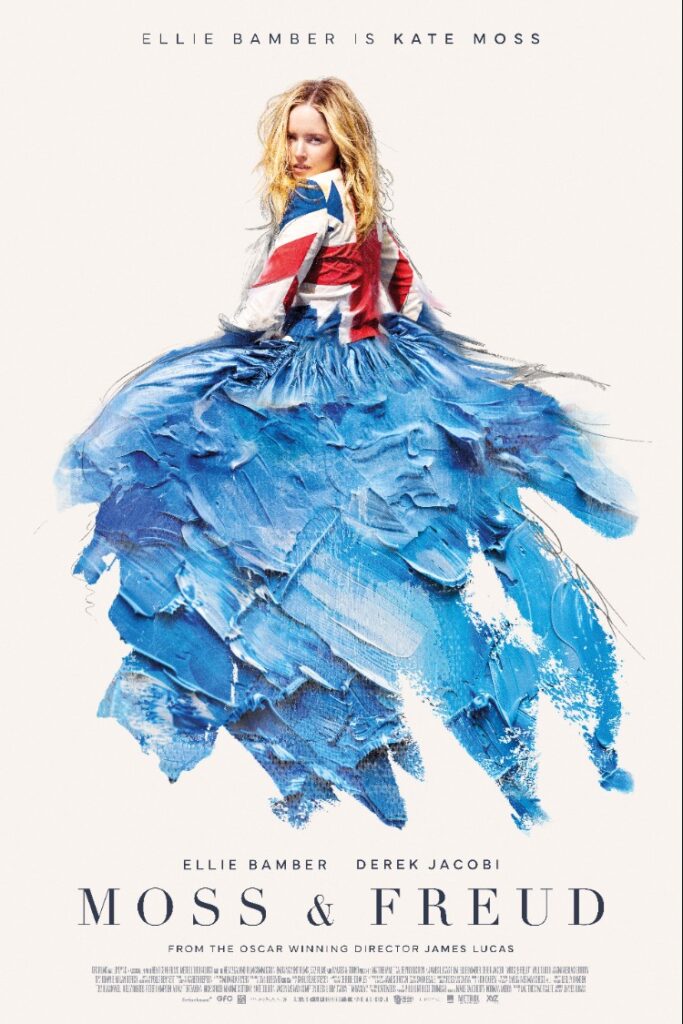
I walked into Moss & Freud expecting glossy fashion nonsense. A supermodel. A grumpy old painter. A million?pound portrait. What could possibly go wrong?
Everything. And nothing. And that is the problem.
This film is not bad in the way The Devil Wears Prada 2 is bad. It is not boring in the way most sequels are boring. No, Moss & Freud is something far more interesting. It is a film that does not know what it wants to be, and that uncertainty makes it strangely compelling. Also strangely frustrating. Also, at times, quietly moving.
But do not let that last bit fool you. I am still cross.
Two hours of watching people stare at each other
The premise is simple. It is 2001. Kate Moss, then the biggest supermodel on the planet, agrees to sit for Lucian Freud, then the grand old man of British painting. She thinks it will take a few days. It takes nine months. She is pregnant during part of it. He does not notice at first. When he does, he is delighted. Because pregnancy makes a woman a creature of nature, apparently. Less a celebrity. More a mythical beast.
The film lets us sit in that room with them. For hours. Ellie Bamber plays Moss with a kind of guarded vulnerability – she captures the famous slouch, the whispery voice, the way Moss could look both bored and terrified at the same time. Derek Jacobi plays Freud as a rumbling, filthy, brilliant old man who asks impossible questions and expects honest answers.
And honestly? Their scenes together are the only reason to see this film.
The problem is everything else
The screenplay, written and directed by James Lucas, tries to do too much. It wants to be a meditation on fame. It wants to be a love letter to painting. It wants to be a feminist reclamation of the muse. It wants to be a quiet romance between two strange people who do not belong anywhere else.
In the end, it is none of those things. It is a film that is too arty for the mainstream and too conventional for the art house. It sits awkwardly in the middle, like a model in an ill?fitting dress.
The pacing is glacial. There are long silences that feel meaningful at first, then just feel long. The supporting characters like Moss’s friends, her then-partner Jefferson Hack, Freud’s grown-up children, drift in and out without ever landing. Will Tudor as Jefferson Hack has about four lines and a lot of concerned looks. Jasmine Blackborow as Bella Freud, the painter’s daughter who befriended Moss, is given almost nothing to do except look knowing. And yet.
The question that kept me awake
Here is what the film got right, and it is a big one. It asks: what does it mean to be a muse?
We throw that word around lightly. She was his muse. It sounds romantic. But this film shows the reality. A muse is someone who holds still while someone else does the interesting work. A muse is an object, even when she is treated kindly. A muse is not an artist. She is raw material.
Kate Moss, at the height of her power, walked into that studio every evening and took her clothes off for an 80-year-old man who had fathered dozens of children and painted hundreds of naked women. She did it because she wanted to be more than a cover girl. She wanted to be art.
And the film asks: did she get what she wanted? Or did Lucian Freud simply add her to his collection, like a butterfly pinned to a board?
The portrait sold for £3.9 million in 2005. Moss reportedly said she did not love it. Freud reportedly did not love it either. But the art world did. And that, I think, is the tragedy the film is too polite to name.
The pregnancy is the real star
The most thought-provoking element is Moss’s pregnancy. She was expecting Lila Grace while posing nude for Freud. He did not know at first. When he found out, he was fascinated. Not in a creepy way, the film insists. In an artistic way.
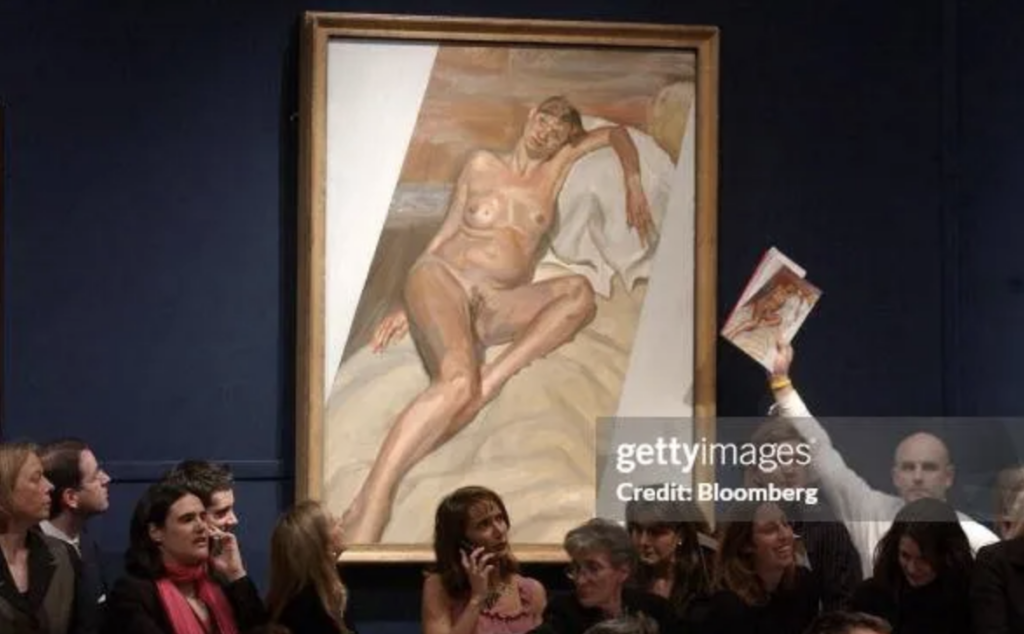
But here is where I, as a mum, started to feel uncomfortable. Why is a pregnant woman’s body more interesting to an artist than a non-pregnant one? Because it is real? Because it reminds him that women are not just clothes hangers? Or because pregnancy makes a woman vulnerable, visible, and temporarily removed from the world of men who want to sleep with her?
The film does not answer these questions. It merely presents them, then moves on to another lingering shot of Ellie Bamber’s cheekbones.
And the exhibition at Selfridges?
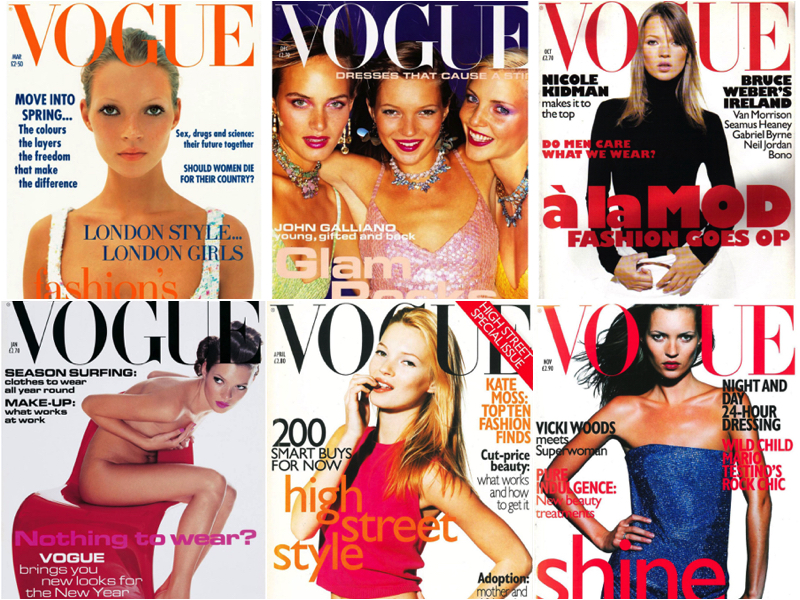
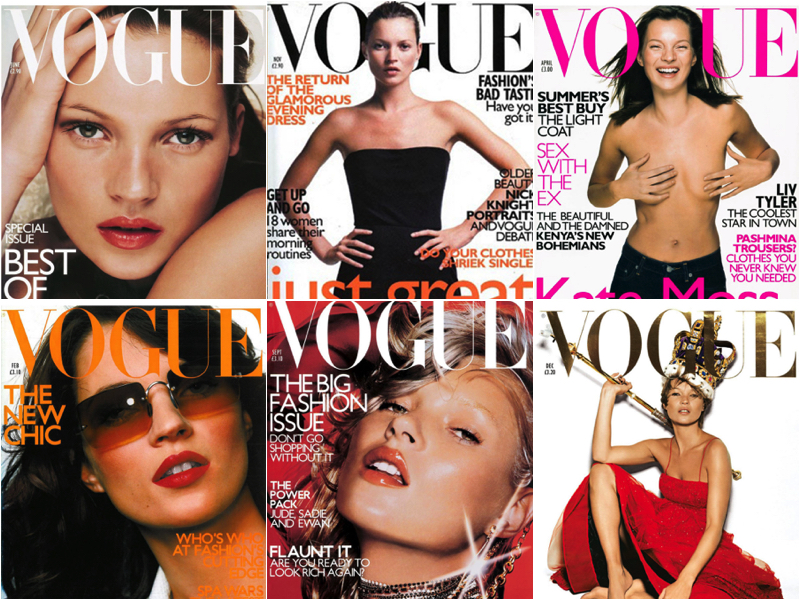
Selfridges is hosting a free exhibition of Kate Moss’s original Noughties wardrobe from 26 May to 4 June. You can see the Galliano Union Jack jacket and the navy sequined dress from her 30th birthday. It will be beautiful. It will be crowded. It will cost you nothing but your time and your patience for influencer selfie sticks.
Go if you want. But do not expect the film to prepare you for it. The film is not about fashion. It is about the absence of fashion, the nakedness beneath the clothes, the skin beneath the magazine covers.
So, should you see it?
Here is my controversial take. See Moss & Freud if you want to think about power, about art, about what it costs a woman to be looked at for a living. See it if you want to watch two good actors (Ellie Bamber and Derek Jacobi) do something fragile and strange together.
Do not see it if you want a plot. Do not see it if you want romance, comedy, or anything resembling a traditional biopic. Do not see it if you are easily bored by silence, by stillness, by the uncomfortable reality of a pregnant woman posing for a man who has painted more nudes than he has had hot dinners.
I left the cinema not sure if I liked it. I am still not sure. But I have not stopped thinking about it. And for a film released in the middle of blockbuster season, that might be the highest praise I can give.
Or the harshest criticism. Honestly, I cannot decide.
The trailer

Lady Rantingham: The unconventional Voice with a bit of sass
Meet Lady Rantingham, a witty and rebellious spirit who brings a fresh twist to the “Rant” theme. While her name might evoke a touch of aristocracy, she’s anything but conventional. With a playful, humorous tone and a slight air of authority, Lady Runtingham is here to run riot on just about anything – especially the things that bother her.
Whether it’s the little annoyances of everyday life or the larger absurdities of the world around her, Lady Runtingham isn’t afraid to call out what grinds her gears. Her rants are filled with sharp wit, unfiltered thoughts, and an unapologetic perspective that blends rebellion with a dash of humour.
Her commentary goes beyond just mockery; she touches on everything from societal quirks to the frustrating intricacies of modern life, all while maintaining a sense of lighthearted authority. Lady Runtingham isn’t just runting about the monarchy — she’s ranting about anything that makes her roll her eyes.
