

Persistent physical discomfort changes how a person moves, thinks, and interacts with the world. It acts as an invisible weight, shifting how someone handles a job, takes care of a house, or talks to family members. Day-to-day life becomes a series of calculations about energy levels and tolerance limits.
When a medical condition or an injury causes ongoing issues, the focus moves from living fully to simply managing the day. Everyday routines turn into major hurdles, altering plans and expectations. Understanding these shifts reveals how much a physical injury reshapes a person’s entire reality.

The Financial Reality of Long-Term Injury
Living with an injury often means dealing with a mountain of medical bills while missing time at work. Speaking with a bethlehem based PI attorney can help clear up the legal options available for recovering lost wages and medical costs. Having professional guidance makes a difference when dealing with insurance companies that try to minimize payouts.
A report by the US Pain Foundation highlighted that the collective cost of managing physical distress in America reaches up to $635 billion every year in health costs, lost work hours, and disability payments.
These numbers represent thousands of individual workers struggling to keep their households afloat. The economic pressure adds a heavy layer of stress to an already difficult physical situation, forcing people to choose between necessary medical care and regular living bills.
Straining Social Ties and Family Roles
Physical discomfort does not stop at the individual; it ripples out to touch friendships and family dynamics. Spending time with loved ones becomes difficult when sitting, standing, or traveling causes an increase in physical strain. Many people end up canceling plans at the last minute, leading to feelings of isolation and guilt.
Data shows that 97% of people dealing with ongoing physical conditions report that their situation has harmed their ability to spend social time with friends and family. This isolation creates a barrier between the person and their support system. Family members may have to take on extra household chores or financial duties, shifting the balance of relationships and creating unstated tension in the home.
The Mental and Emotional Toll
Dealing with a body that feels like it is failing creates a significant mental burden. The constant effort needed to push through a standard day drains mental energy, leaving little room for patience or joy. It is common to experience feelings of anger, helplessness, and confusion about the future.
Research published by ScienceDaily tracked how chronic physical conditions impact mental health, revealing that 40% of these individuals deal with clinically significant depression and anxiety. The psychological weight stems from the loss of a predictable, active lifestyle. Waking up every morning unsure of how the body will behave makes it incredibly difficult to maintain a positive outlook or plan for future events.
Impacts on Workplace Productivity and Careers
Holding down a job requires physical stamina and mental focus, both of which are compromised by ongoing physical issues. Simple tasks like typing at a desk or standing on a retail floor become painful endurance tests. Many employees find themselves using up all their sick days or watching their job performance slip.
A study in the Health Survey for England found that 13% of adults live with high-impact physical issues that directly limit their major life activities, including employment. Missing work or working at a lower capacity affects career growth, promotion opportunities, and long-term retirement planning. The fear of losing a job or being viewed as unreliable adds constant anxiety to the workday.
Navigating the Healthcare System
Finding the right medical care becomes a secondary job for someone recovering from an injury or managing a permanent condition. Patients spend hours coordinating appointments, waiting for referrals, and trying different treatments. The medical journey is often slow and filled with administrative roadblocks.
- Outpatient clinics frequently treat these issues, with NCBI documentation showing that nearly 24% of Americans deal with these ongoing conditions in medical settings.
- A high percentage of individuals face steep barriers when trying to get into specialized treatment options.
- News-Medical reported that while 49.8% of patients were deemed a good fit for specialized rehabilitation, getting access to these programs remains unequal and slow.
This constant navigation takes time away from hobbies, work, and family. Dealing with insurance denials and waiting lists adds frustration to an already compromised lifestyle.
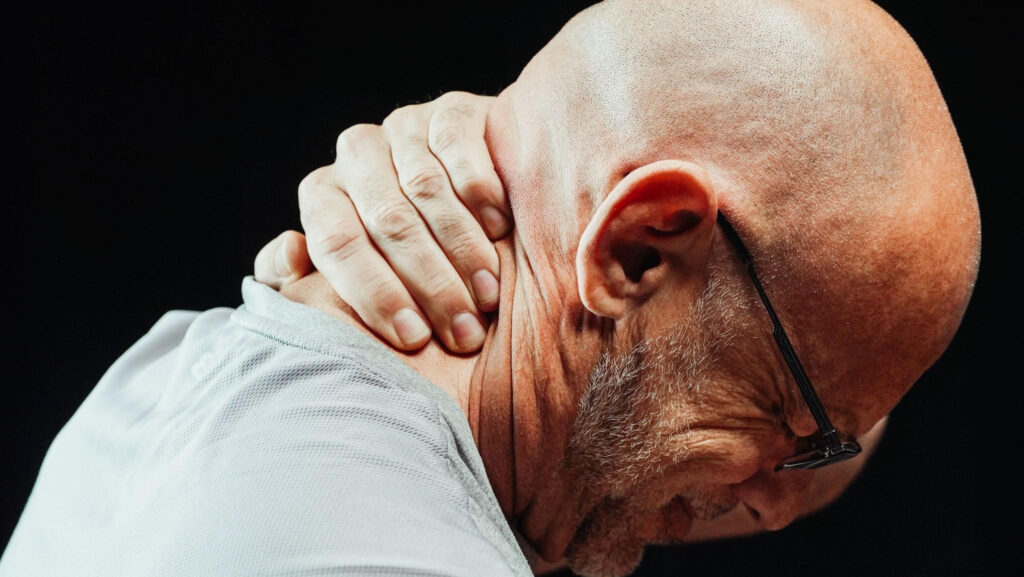
The hardest change for many individuals is losing the ability to take care of themselves without help. Tasks that used to be automatic – like driving a car, carrying groceries, or cleaning the house – now require assistance. Asking for help can feel demoralising for someone who prides themselves on being self-sufficient.

Monica Costa founded London Mums in September 2006 after her son Diego’s birth together with a group of mothers who felt the need of meeting up regularly to share the challenges and joys of motherhood in metropolitan and multicultural London. London Mums is the FREE and independent peer support group for mums and mumpreneurs based in London https://www.londonmumsmagazine.com and you can connect on Twitter @londonmums
