

As the clocks go back and the evenings draw in, most of us spend more time indoors and less time in daylight. That change in routine affects more than your mood. It also affects how much vitamin D your body can make, as most of it comes from sunlight on your skin.
In the UK, the sun is not strong enough between October and early March for your skin to make vitamin D. So what can you do to keep topping up until spring?
Below, you’ll find practical ways to fit more vitamin D into your days through the colder months, from your weekly food shop to your breakfast table.
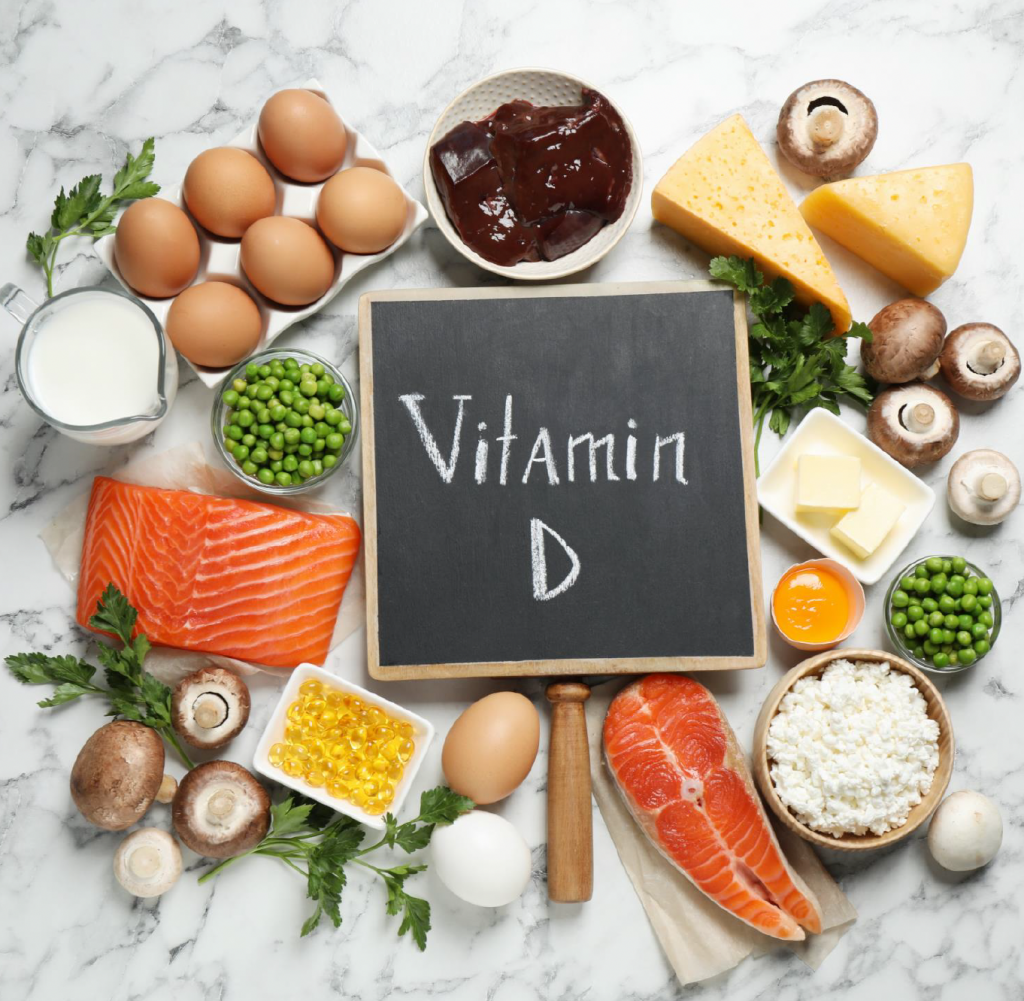
Plan Oily Fish Into Your Weekly Meals
Oily fish is one of the best natural food sources of vitamin D, which makes it a helpful addition to your winter meals. Salmon, mackerel, sardines, herring and trout all count, and tinned versions work just as well as fresh.
The NHS recommends eating at least two portions of fish a week, with one of them oily. That is easier to manage than it sounds once it becomes part of your weekly plan. Here are a few ways to fit it in:
- Swap your usual lunch for sardines or mackerel on toast once a week.
- Add a salmon fillet to a tray of roasted winter vegetables for an easy midweek dinner.
- Keep a few tins of oily fish in the cupboard for evenings when the weather keeps you in.
Small, regular habits like these add up across a long winter.
Choose Fortified Foods and Drinks for Breakfast
Only a small number of foods naturally contain vitamin D, so fortified foods can make a helpful difference when daylight is short. Depending on the brand, you will find vitamin D added to some breakfast cereals, fat spreads, plant-based milk alternatives and fermented milk drinks. Amounts vary, and some versions contain none at all, so check the label when you shop.
Fermented milk drinks are one of the most familiar options on the chiller shelf, and some are fortified with vitamins too. If you’re looking for convenient ways to include vitamin D in your daily routine during the darker months, Yakult Balance, a probiotic fermented milk drink, is worth considering. It’s rich in vitamin D, which supports immunity, muscle and bone health. Each bottle contains 20 billion friendly L. casei Shirota bacteria, which increase the lactobacilli and bifidobacteria in the gut. It also has less sugar and calories than Yakult Original.
Here are a few ways to fit it into your day:
- Keep a pack in the fridge next to your breakfast items so you see it each morning.
- Drink one small bottle a day at the same time, such as around breakfast or lunch.
- Check the nutrition panel against any other fortified drink you are considering, as vitamin D content varies between brands.
Keep Eggs on the Menu
Egg yolks contain vitamin D, so eggs are an easy everyday way to add a little more through autumn and winter. They are affordable, quick to cook and work at any meal.
Cold, dark mornings are a good time to swap a cold breakfast for something warm. Try these ideas:
- Make scrambled eggs on wholemeal toast at the weekend.
- Batch-cook a vegetable frittata on Sunday for easy lunches during the week.
- Add a boiled egg to winter salads or soups for extra protein.
Keep in mind that it is the yolk that contains the vitamin D, so egg white omelettes will not give you the same benefit. Pairing eggs with other sources, such as oily fish or fortified foods, helps you build a steadier intake across the week.
Consider a Daily Supplement From October to March
Even with a varied diet, it is hard to get enough vitamin D from food alone during the darker months. That is why the NHS advises everyone in the UK to consider a daily supplement containing 10 micrograms of vitamin D during autumn and winter.
Ten micrograms is sometimes shown on packs as 400 IU. More is not better, so stick to the recommended amount unless your GP advises otherwise.
The easiest way to remember a supplement is to link it to something you already do each day:
- Keep it next to the kettle so you take it with your first cup of tea.
- Set a phone reminder for the same time each morning.
- Restock when you are down to a week’s supply, so you do not miss days.
Get Outside in the Daylight Hours
A common belief is that a bright, crisp winter day will top up your vitamin D. In the UK, that is not the case between October and early March, as the sun sits too low in the sky for your skin to make it.
Getting outside still matters for your wellbeing, though. Daylight helps set your body clock, and fresh air and gentle movement can lift your mood when the days feel short. Plus, as spring arrives, the habit means you will be ready to make the most of stronger sunlight.
Try to build daylight into your routine where you can:
- Take a short walk at lunchtime, when daylight is brightest.
- Get off the bus a stop early on dry days.
- Plan a weekend walk somewhere you enjoy.
From late March, time outdoors in daylight helps your skin start making vitamin D again.
Check the Label and Pick Habits You Can Stick With
So how do you get more vitamin D during the autumn and winter months? Oily fish, eggs and fortified foods are easy places to start. Time outdoors still helps your wellbeing, even if winter sun will not top up your vitamin D.
Vitamin D is only part of the picture, though. It also helps to think about:
- Whether the foods and drinks you choose are fortified, and how much vitamin D they contain
- The overall nutritional profile, including sugar and calorie content
- Whether you enjoy them enough to have them every day
Small habits you can keep up tend to fit best into a routine. If you want a daily probiotic drink that combines vitamin D with a named strain, a fixed bacteria count and rich in vitamin D, add a pack of Yakult Balance to your next shop and try one bottle a day around for breakfast time. Then compare the labels on the other fortified foods you buy, and pick the ones that suit your routine and your preferences.

Monica Costa founded London Mums in September 2006 after her son Diego’s birth together with a group of mothers who felt the need of meeting up regularly to share the challenges and joys of motherhood in metropolitan and multicultural London. London Mums is the FREE and independent peer support group for mums and mumpreneurs based in London https://www.londonmumsmagazine.com and you can connect on Twitter @londonmums
