

Getting older does not have to mean slowing down. People who stay active, independent, and physically capable well into their 50s, 60s, and beyond are not doing anything extraordinary. They have built a few habits early and kept at them consistently.
If you are starting to notice things feel a little harder than they used to, this is for you. No extreme routines, no overhauling your life.
Just practical, honest advice on what actually helps your body hold up as the years go on.
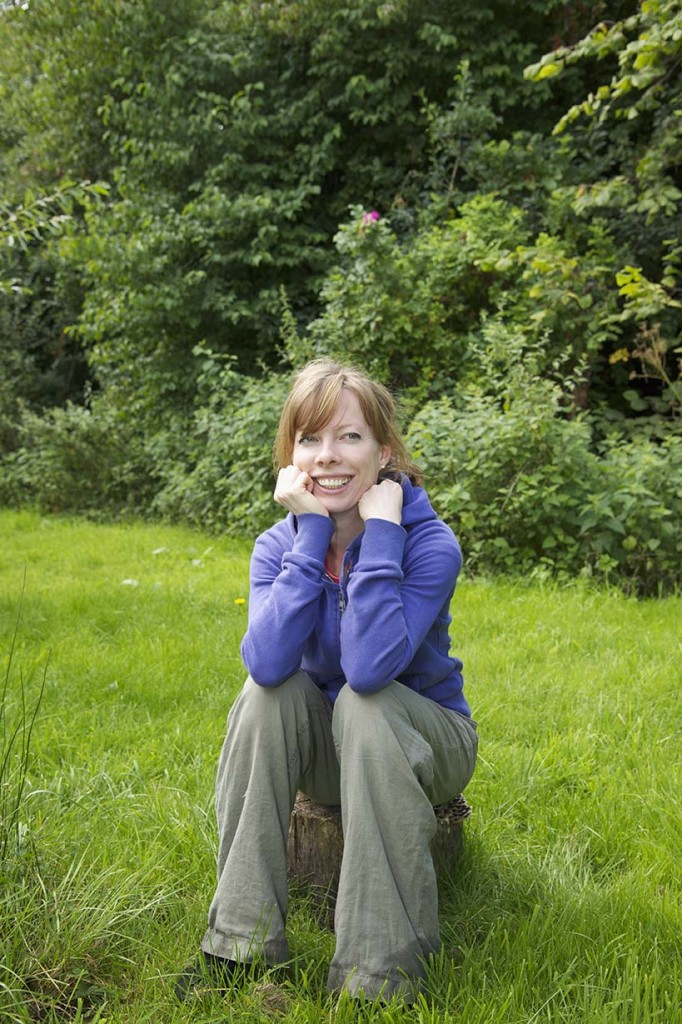
Fitness Tips For 50 Plus
Listed below are the best fitness tips for 50 plus:
1. Prioritise Mobility Alongside Strength
Strength without mobility is only half the picture. Plenty of people are strong but cannot bend down comfortably, reach overhead, or get up from the floor without difficulty. Mobility is what lets you use your strength in real life.
Ten minutes of daily mobility work covers most of what you need. Hip circles, shoulder rolls, thoracic rotations, ankle work. None of it is complicated, and all of it adds up over months and years.
The people who stay functionally capable into their 70s and 80s are almost always the ones who kept moving through their full range of motion rather than letting it shrink.
2. Pay Attention to Your Balance
Falls are one of the leading causes of serious injury in adults over 60, and balance is something that declines quietly without most people noticing until it becomes a problem. The encouraging thing is that it responds quickly to training.
Simple practices help enormously. Standing on one foot while you brush your teeth. Walking heel to toe along a straight line. Adding single-leg exercises to your routine. None of these take extra time, and over months they build the neuromuscular awareness that keeps you stable on uneven ground, on stairs, and in the dark.
If you have an older parent who is at risk of falls, this guide on what to check after a minor fall covers the steps worth knowing.
3. Keep Your Hands and Grip Strong
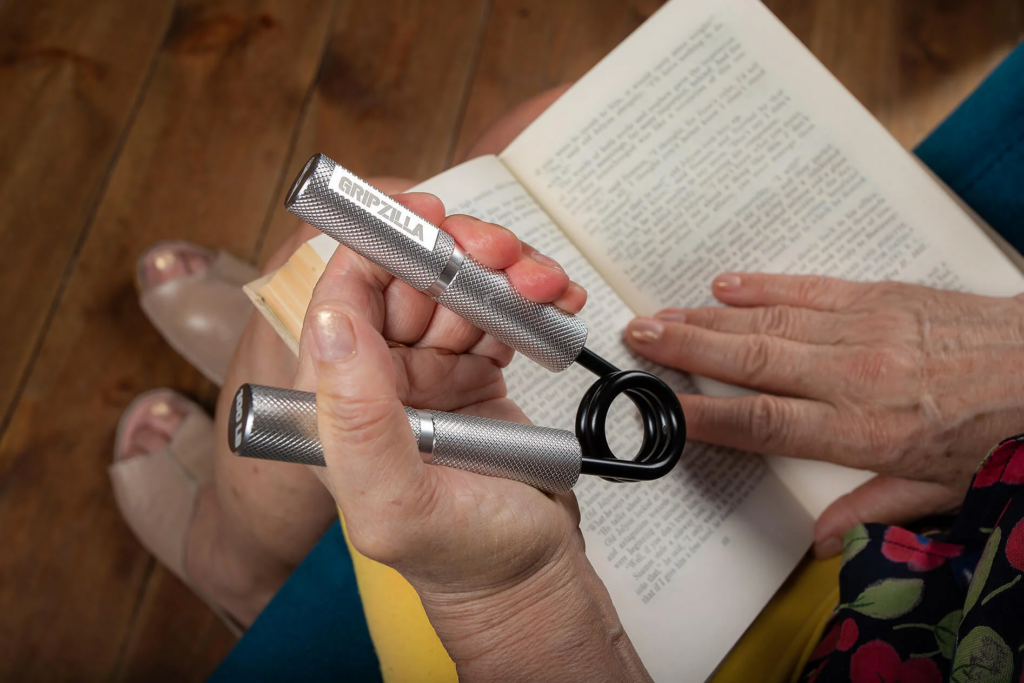
This one surprises people, but hand and grip strength is one of the most researched markers of how well someone is ageing.
Large studies covering millions of participants have found that people with stronger grip strength live longer, have lower rates of heart disease, and maintain their independence for significantly more years than those with weak grip.
It makes sense when you think about it. Your grip reflects the health of your whole muscular system. When it starts to decline, it usually means broader muscle loss is underway.
Keeping it strong is not just about your hands. It is about maintaining the kind of functional strength that lets you carry shopping, open jars, get up from a chair, and stay active without assistance.
A simple hand grip strengthener used for ten minutes a few times a week is one of the most accessible ways to maintain and build grip strength at home. No gym needed, no complicated setup.
4. Look After Your Joint Health
Joints need movement to stay healthy. Long periods of sitting, repetitive postures, and a lack of variety in how you move all contribute to stiffness, pain, and reduced range over time.
The basics matter more than any supplement or treatment. Regular movement throughout the day rather than long sedentary stretches. Staying hydrated, since cartilage is largely water.
Keeping body weight in a range that does not put excess load on the knees and hips. Strength training that supports the muscles around your joints rather than just moving through them.
If pain is already a factor in your daily life, this article on how pain affects every aspect of daily living is worth a read for understanding how to manage it without letting it take over.
5. Eat Enough Protein
Most adults over 50 are not eating enough protein to support muscle maintenance, and they do not know it. The recommendation for older adults is higher than most people assume, around 1.2 to 1.6 grams per kilogram of body weight per day, compared to the 0.8g figure most people have heard.
Protein is what your body uses to repair and maintain muscle tissue. Without enough of it, even regular exercise produces limited results.
Eggs, fish, chicken, legumes, Greek yoghurt, and cottage cheese are all practical sources that fit easily into a family diet. Spreading intake across meals rather than loading it all at dinner also helps the body absorb and use it more effectively.
6. Treat Sleep as a Non-Negotiable
Sleep is when the body does most of its repair work. Muscles rebuild, hormones regulate, and the brain consolidates everything from the day. Consistently poor sleep accelerates physical decline faster than most lifestyle factors people worry about.
Adults over 50 often find sleep quality changes even when total hours stay the same. Less deep sleep, more frequent waking, earlier mornings.
Good sleep hygiene helps more than most people give it credit for. A consistent sleep and wake time, a cool dark room, limiting screens in the hour before bed, and avoiding alcohol close to bedtime all contribute meaningfully.
7. Stay Socially and Mentally Active
Physical health does not exist in isolation. Research consistently shows that social connection, mental stimulation, and a sense of purpose are all linked to better physical outcomes in later life.
People who stay engaged with others and with activities they find meaningful tend to stay physically active longer, recover from illness faster, and report higher quality of life well into old age.
This does not require anything dramatic. Regular contact with family and friends, a hobby that challenges you, volunteering, or simply staying curious about the world all count.
8. Get Regular Health Checks
Staying on top of your health markers means catching problems early when they are far easier to manage. Blood pressure, cholesterol, blood sugar, bone density, and vision all shift gradually and often silently.
The NHS offers health checks for adults between 40 and 74 every five years, and many conditions that become serious problems later are entirely manageable when caught in the middle stages. Do not skip them because you feel fine. That is precisely when they are most useful.
For families managing eye health specifically, this breakdown of mobile eye care services covers options that are worth knowing, particularly for older relatives.
9. Move Every Day, Not Just on Training Days
The gap between your structured exercise sessions matters as much as the sessions themselves. Research on sedentary behaviour has shown that long unbroken periods of sitting have negative effects on health independent of how much you exercise at other times.
The target is simply to move more throughout the day. A walk at lunch, taking stairs, standing while on the phone, a short stretch between tasks. None of it replaces structured training, but all of it adds to your total movement and keeps your body from spending most of its waking hours completely still.
The Bigger Picture
Staying strong and mobile into your 50s and beyond is less about any single habit and more about the combination of them.
Strength, mobility, balance, sleep, nutrition, and regular health checks all feed into each other. Miss one for long enough and the others start to suffer.
The earlier you start, the easier it is to maintain. But it is also never too late to make a meaningful difference. Your body responds to the demands you put on it at every age.
Give it the right ones consistently and it will hold up far better than you might expect.

Monica Costa founded London Mums in September 2006 after her son Diego’s birth together with a group of mothers who felt the need of meeting up regularly to share the challenges and joys of motherhood in metropolitan and multicultural London. London Mums is the FREE and independent peer support group for mums and mumpreneurs based in London https://www.londonmumsmagazine.com and you can connect on Twitter @londonmums
