

We prepare for everything, don’t we? The hospital bag gets packed and repacked. The nursery gets painted. We read the books, download the apps, and spend nine months learning about the baby that’s coming.
What almost nobody prepares us for is what happens to us.
Not the physical recovery, though that’s its own conversation. The other bit. The strange, disorienting, rarely-named shift that happens when you become a mother and quietly discover you’re not entirely sure who you are anymore.
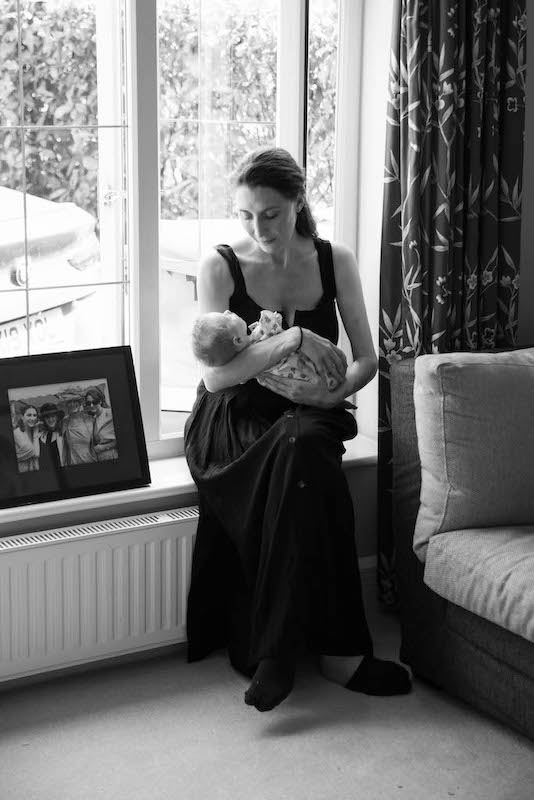
It turns out almost everyone feels it
If you felt confused about your role after having a baby, you were not ungrateful. If you felt overwhelmed, you were not failing. And if you felt like you’d lost a part of yourself somewhere between the third trimester and the fourth week of no sleep, you were not alone.
New research from Mum Love, a UK foundation dedicated to the emotional transition into motherhood, makes that abundantly clear. A YouGov survey of 1,050 UK mothers, commissioned by the foundation, found:
- 74% felt confused about their role after giving birth
- 82% felt overwhelmed in early motherhood
- 68% experienced heightened anxiety
- 55% experienced a loss of identity
- 52% said their career direction changed after becoming a mother
- 48% experienced strain in their relationship with their partner
Read that list again. Those aren’t fringe experiences. That’s the majority. That’s the norm.
And yet, as Mum Love points out, mothers are still widely expected to manage all of this privately or to simply accept it as part of the deal. You had a baby. What did you expect?
Which is, frankly, a rubbish answer.
The part we don’t say out loud
There’s a particular kind of loneliness in sitting in a room full of people who are delighted for you, while quietly wondering who you are now.
Before becoming a mum, you had a name, a job, opinions about films, a social life with its own momentum. Overnight, the centre of gravity shifts entirely. Everyone asks how the baby is. Very few ask how you are and fewer still mean it in a way that invites an honest answer.
Mum Love calls this the emotional and psychological transition into motherhood. I’d call it the thing we should be talking about at every antenatal class, every health visitor appointment, every coffee morning with a newborn asleep in someone’s arms.
It also sits against a wider backdrop: around 1 in 5 women experience a mental health problem during pregnancy or in the first year after birth. That’s not a small minority. That’s someone in every baby group.
The birth trauma conversation
There’s another part of this that Mum Love is determined to bring into the open: birth trauma.
Many women are left to process difficult or traumatic birth experiences entirely on their own, with no real emotional support and no clear route to get any. The expectation, often unspoken, is that you’re both healthy, the baby’s fine, so what’s there to process?
Quite a lot, as it happens. And Mum Love believes earlier recognition and support could help women process what happened, reduce isolation and anxiety, and potentially lessen the longer-term impact on mothers, their relationships and future pregnancies.
That last point matters. Because untreated birth trauma doesn’t stay in the delivery room. It follows women into their next pregnancy, their next birth, their relationships with their partners and their bond with their babies.
So what needs to change?
Mum Love isn’t calling for a revolution in maternity care. It’s calling for something simpler, and arguably more radical: emotional support becoming a visible, normal part of maternity care from pregnancy and birth through the early years.
That means practical resources, expert-informed guidance and stronger community support. It means better continuity of care. And it means greater access to emotional support through the places families already go: maternity services, midwives, health visitors, hospitals, libraries and community partners.
In other words: don’t wait for a mother to fall apart before offering her help. Build the support in from the start.
Georgie Woollams, Founder of Mum Love, puts it better than I could:
“Many women experience a profound internal shift when they become mothers, yet it is rarely acknowledged. Becoming a mother is not simply a physical event — it is a huge emotional and psychological transition. Earlier recognition and better support could help women feel less alone and prevent some of the longer-term impact, including the effects of birth trauma.”
What Mum Love is actually doing
This isn’t just a report and a press release. The foundation is developing an Emotional Support Pack for Mums, and exploring training for midwives so they can recognise the less visible emotional challenges of becoming a mother. It’s also been raising awareness through conversations at Downing Street and with policymakers.
What to do if this sounds like you
If you recognised yourself in those statistics, please hear this: you are not broken, ungrateful or failing. You’re going through one of the biggest identity shifts a person can experience, usually while sleep-deprived and covered in something.
A few things worth knowing:
Talk to someone. Your GP, your health visitor, your midwife, they can all help. You don’t need to be in crisis to deserve support.
Don’t wait for permission. If you’re struggling, say so. You don’t have to wait until it’s “bad enough.”
Ask about birth trauma specifically. If your birth was difficult, say that out loud to a professional. It’s a legitimate reason to ask for help.
Find your people. There’s no substitute for talking to another mother who’ll say “oh thank God, me too.”
And if you’re reading this and you’re fine? Brilliant. But check on the mum next to you. She might be doing that very British thing of saying she’s fine when she isn’t.
Because the truth is, we prepare for the baby. Nobody prepares us for the change. It’s time we started.
Mum Love is a UK foundation dedicated to recognising and addressing the emotional transition into motherhood. For more information, visit mum-love.com.
If you’re struggling with your mental health during pregnancy or after birth, please speak to your GP, midwife or health visitor. You don’t have to manage alone.
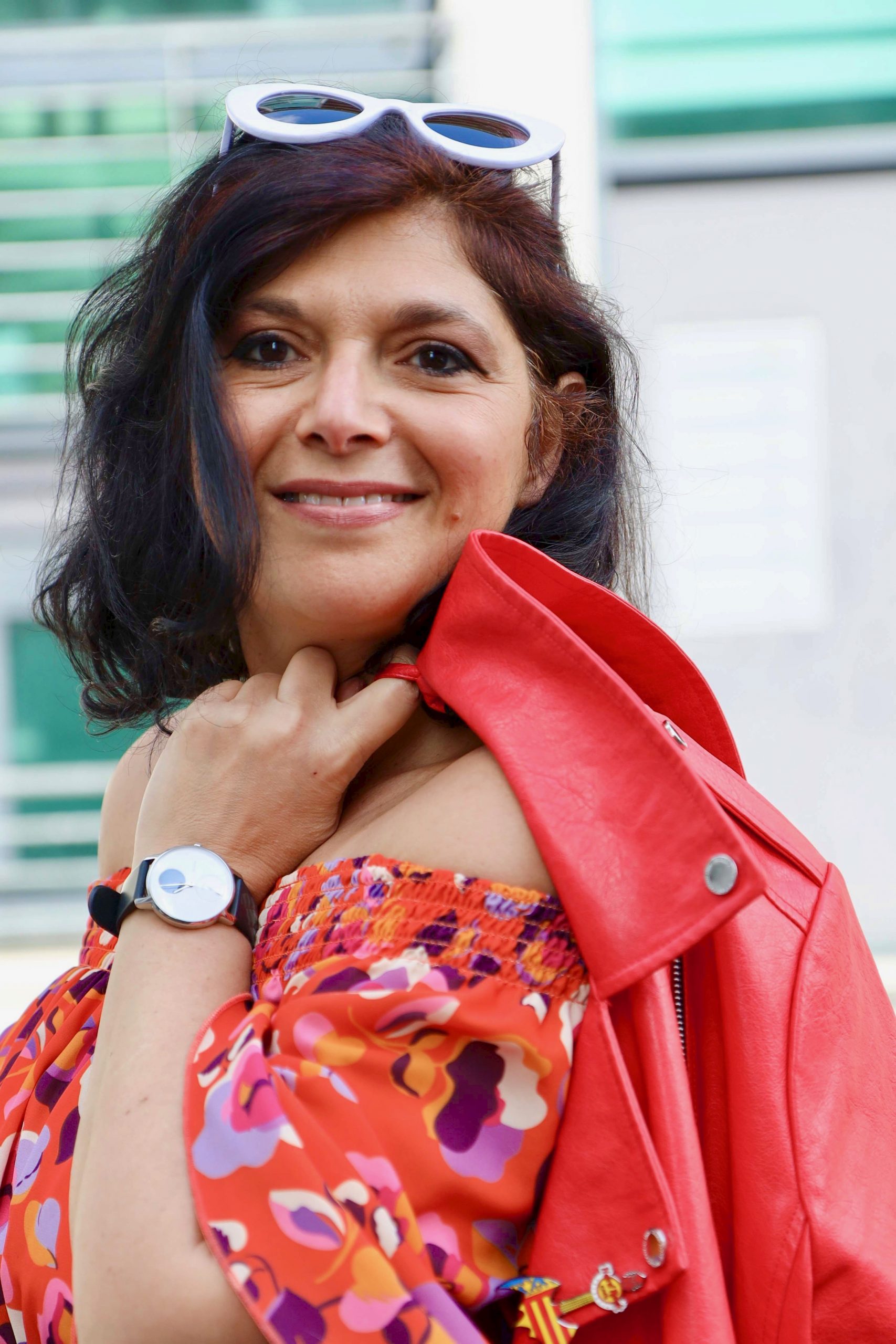
Monica Costa founded London Mums in September 2006 after her son Diego’s birth together with a group of mothers who felt the need of meeting up regularly to share the challenges and joys of motherhood in metropolitan and multicultural London. London Mums is the FREE and independent peer support group for mums and mumpreneurs based in London https://www.londonmumsmagazine.com and you can connect on Twitter @londonmums
