

If you think decaf can’t be good coffee, you’re working from old evidence. For years it was an afterthought. Lower-grade beans, caffeine stripped out with little attention to flavor, then roasted dark to keep things consistent on the shelf. If your idea of decaf is a thin, papery cup from a diner carafe at nine at night, that’s the one most of us grew up on.
That decaf still exists. But it’s not the only kind on the shelf anymore. A handful of roasters have decided decaf deserves the same care as the rest of what they make, and the cup that comes out tastes like coffee. Which shouldn’t surprise anyone, because that’s all it ever was. Coffee with the caffeine pulled out.
So what separates the good decaf coffee brands from the forgettable? Four things: the bean, how the caffeine leaves it, the roast, and how fresh it is when it reaches you. Here’s what each one does.
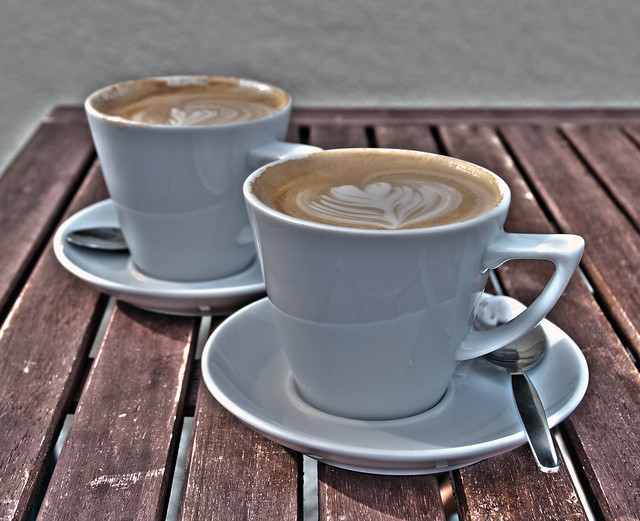
What makes decaf taste like real coffee
Caffeine adds some bitterness, but it’s a small part of what you actually taste. Removing it doesn’t have to flatten the cup.
Start with how the caffeine leaves the bean, because it shapes the cup more than people expect. Four methods, and the gap between them is wide.
Water methods, including the trademarked Swiss Water and Mountain Water processes, soak the green beans and draw the caffeine out through carbon filters. No solvents. They retain flavor and remove most of the caffeine, often 99.9%. Swiss Water is done in Canada and Mountain Water in Mexico, so either way, the green beans travel to a dedicated facility before roasting.
The sugarcane method uses a solvent spun from fermented sugarcane, properly ethyl acetate processing. Colombia uses it a lot, and it tends to leave a little extra sweetness and body behind. When America’s Test Kitchen ran a decaf tasting, the panel kept catching that sweetness in the sugarcane cups.
Carbon dioxide processing sends pressurized CO2 in to grab the caffeine and carry it off. Gentle on flavor, and it works. The equipment is expensive, though, so you see it more from larger producers than small roasters.
Then there’s methylene chloride, the solvent method nicknamed the European Method, where it took hold. Cheaper and effective, it’s why most decaf sold in the US is made this way, according to the National Coffee Association. It’s also the one catching heat. Health and advocacy groups petitioned the FDA to strip its food-additive approval, and the agency closed a reopened comment period on June 29, 2026, with no verdict yet. Federal rules cap residue at 10 parts per million in roasted decaf, and independent testing has found residues below the federal limit, though in some samples only just. You can argue about whether the risk is real. Easier to route around it: buy a decaf that names a water, sugarcane, or CO2 process on the bag. The brands using those methods say so. When a bag won’t tell you how the coffee was decaffeinated, that evasion is the answer.
Then there’s how much caffeine actually stays behind. Decaf isn’t caffeine-free. No process removes every last trace. The widely cited US standard is at least 97% removed. A real 8-ounce cup has about 2 to 15 milligrams, compared with 95 or more in regular coffee. The British Heart Foundation estimates a typical decaf at about 7 milligrams per 200-milliliter cup. For nearly everyone, that’s low enough to drink after dinner and still fall asleep. If you’re truly caffeine-sensitive, know that the trace isn’t zero.
Roast and freshness get skipped over, and that’s a mistake. A good bean still dies when you crank the roast too dark to hide its flaws, or after a few forgotten months on a shelf. Decaf runs a little more fragile through the roaster than regular coffee, so the date on the bag tells you more than almost anything on the front. Look for a roast date, or at least a short best-by window rather than a vague one, and drink your whole beans within a few weeks.
That’s the framework. Here are seven brands worth your money, each one earning its place on one of those counts.

1. Purity Coffee CALM: built around testing and freshness
If health is why you drink decaf, Purity builds the whole product around that, not just the label. CALM is a medium roast made from specialty-grade, USDA Organic, 100% Arabica beans, decaffeinated with the Mountain Water Process, which relies on water, temperature, and time instead of solvents and removes 99.9% of the caffeine. It drinks like dark chocolate and vanilla with a soft, apple-ish acidity. Not the sad decaf you’re bracing for.
What puts it first is everything around the coffee. Purity sends its coffee to independent labs to be screened for mold, mycotoxins, and pesticide residues, then posts the actual reports on the product page. That’s rare, and it ought to be the norm. Any brand can stamp “tested” on a bag. Showing the actual results is the harder, more honest version. Freshness gets the same attention: the coffee is roasted and shipped fresh, not stockpiled, and the bags are nitrogen-flushed to about 2% oxygen, slowing staling between the roastery and your cup.
CALM comes as whole bean, ground, pods, and sachets, so one coffee handles the slow Sunday pour-over and the Tuesday you’re already late. The Sacred Cups line adds single-origin decafs if you want to explore past the house blend. For a full-flavour organic decaf coffee with the receipts to back the claims, start here. The honest trade-off is price and access: CALM runs well above grocery decaf, and you order it online rather than grab it off a shelf. For this buyer, that’s usually a fair exchange for knowing exactly what’s in the cup.
2. Counter Culture Slow Motion: the specialty roaster’s decaf
Counter Culture has been a fixture in American specialty coffee since 1995, and Slow Motion refuses to treat decaf as a lesser product. It’s a rotating blend of certified organic Latin American coffees, water-processed, medium roast, molasses and cocoa right there in the cup. The component beans turn over through the year, so the exact origins move, but the quality doesn’t, and it’s as comfortable pulled as espresso as it is through a filter. The honest limit is a different kind of transparency: Counter Culture doesn’t publish contaminant testing the way Purity does, so you’re trusting the roaster’s sourcing rather than a lab sheet.
3. Kicking Horse Decaf: the organic grocery-shelf pick
Kicking Horse, roasted in British Columbia, is the easiest good decaf to grab without ordering online, and that’s no small thing when you’ve run dry. Certified organic and Fairtrade, Swiss Water processed, dark and chocolatey, listed around $14 for a 10-ounce bag. It’s one of the better decafs you’ll find on a grocery shelf. The trade-off is the price of that convenience: it’s dark roast only, so it reads too roasty if you like tasting where a coffee came from, and you have no say in how long it sat before it landed in your cart.
4. Onyx Coffee Lab decaf: the sugarcane-process option
Onyx is a heavily decorated Arkansas roaster, and its decaf leans on the sugarcane (ethyl acetate) process, often on single-origin Colombian beans roasted lighter than typical grocery decaf. A lighter roast keeps the bright, fruit-forward sweetness that darker decaf usually loses. If you’ve written decaf off as dull, this is the cup most likely to embarrass that opinion. The caveats earn a mention: the offerings rotate with whatever’s available, and Onyx’s decafs aren’t always certified organic, so read the listing before you commit.
5. illy Classico Decaf: the espresso specialist
For decaf espresso, illy has been the steady answer for ages. It decaffeinates with carbon dioxide, which is kind to flavor, and builds its decaf to behave like the regular blend under pressure. A consistent, crema-friendly shot with the roasted-nut and caramel profile illy made its name on. The trade-offs: in the US, it’s pre-ground in a sealed can rather than fresh whole bean, it isn’t organic, and the packaging gives little detail on the process.
6. Lifeboost Decaf: the third-party-tested challenger
Lifeboost built its name on testing, and the decaf plays straight to that. Organic, shade-grown, low-acid, Swiss Water-processed, with third-party testing for a long list of contaminants. For a health-minded drinker who wants that reassurance and would rather buy direct, it’s a credible pick aimed dead at sensitive stomachs. However, it sits at the premium end on price, and its sourcing story centers almost entirely on Nicaragua, so it offers less origin variety than a roaster that buys more widely.
7. Peet’s Decaf Major Dickason’s: the widely available classic
Peet’s Major Dickason’s is one of the most recognizable blends in American coffee, and the decaf hangs onto the same dark, full-bodied, faintly smoky character that earned the loyalty in the first place. Water processed, sold just about everywhere, a dependable call when you want a bold cup and can’t be bothered to hunt. The limits are the usual grocery ones: Peet’s prints a “Freshest By” date set a year out, which tells you less than a specific roast date would, and a dark roast like this trades some delicate flavor for a bolder, roastier cup.
How to pick the one that fits you
First, the process. If you want to avoid solvents, choose water, sugarcane, or CO2, and favor brands that print the method on the bag. Is the roast level actually yours? Dark-roast people and bright-cup people chase different coffees, and there’s no wrong answer, only yours. And how fresh will it be when it lands? A roaster that roasts and ships fresh, Purity among them, beats a coffee that sat somewhere for who knows how long.
Line those up against your own taste and the right bag mostly chooses itself. What every brand here has in common is the one thing that counts: none of them treats decaf as an afterthought. And that’s the difference between decaf you settle for and decaf you actually want.

Monica Costa founded London Mums in September 2006 after her son Diego’s birth together with a group of mothers who felt the need of meeting up regularly to share the challenges and joys of motherhood in metropolitan and multicultural London. London Mums is the FREE and independent peer support group for mums and mumpreneurs based in London https://www.londonmumsmagazine.com and you can connect on Twitter @londonmums
