

In contemporary beauty culture, transformation is often described in visual terms, before and after, glow up, reinvention, change.
But for many women, especially in the post-baby stage of life, transformation is not always dramatic or external. It is internal first. It begins quietly, often in front of a mirror, in moments that are deeply personal rather than publicly visible.
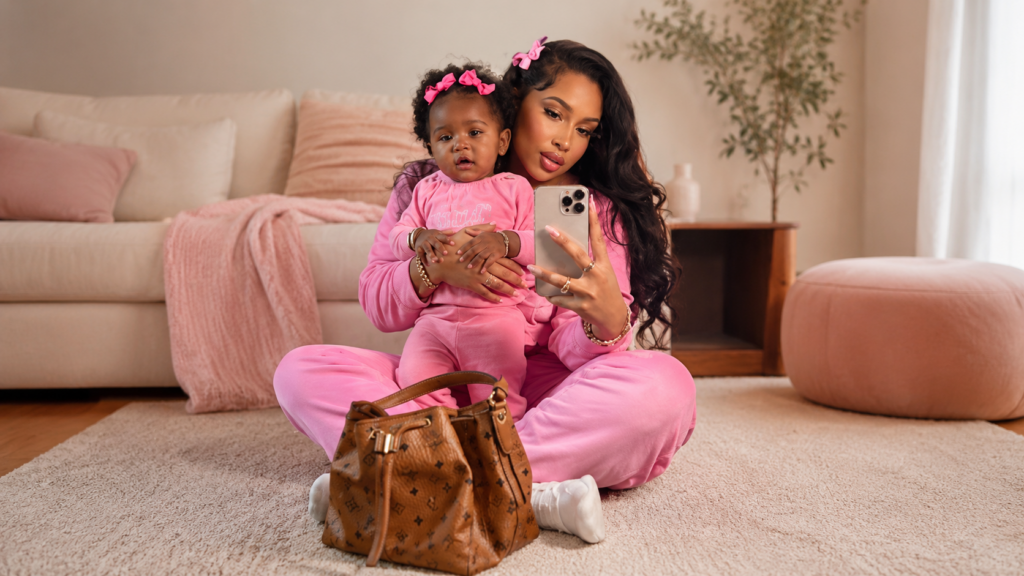
This is where the idea of the “mirror effect” becomes meaningful.
It is the subtle emotional experience of looking at yourself and feeling slightly out of sync with your former sense of identity, not because anything is wrong, but because everything has evolved.
In this context, beauty is not about becoming someone new. It is about reconnecting with oneself.
When Identity Feels Slightly Distant
After childbirth, many women experience shifts that go beyond physical appearance. While these changes are often discussed in terms of hair texture, skin condition, or styling routine, the deeper layer is psychological recognition.
The reflection in the mirror still belongs to the same person, yet it may not immediately evoke the same sense of familiarity.
Hair is often one of the first visual elements where this shift is noticed. It frames identity so directly that even subtle changes can influence self-perception.
From an editorial standpoint, this is not a loss of identity. It is a temporary disconnect between internal identity memory and external visual presentation.
The Concept of Post Baby Glow Up
The term “glow up” has become widely used in beauty media, often associated with visible transformation. However, in real-life experience, especially after major life transitions such as motherhood, glow up takes on a more nuanced meaning.
It is not about becoming someone different. It is about returning to a version of self that feels familiar, confident, and aligned.
This return is rarely sudden. It happens gradually through small adjustments in routine, styling, and self-care.
Hair plays a central role in this process because it is one of the most immediate and expressive visual elements of identity.
Hair as Emotional and Visual Memory
In beauty editorial analysis, hair is more than a style choice. It functions as a form of visual memory.
Certain hairstyles are tied to specific phases of life. They carry associations with confidence, routine, independence, and personal rhythm.
When those styles change, whether due to time, lifestyle, or biological shifts, the emotional reference point can shift as well.
Recreating familiar hairstyles can therefore feel less like styling and more like restoration.
This is why many women describe hair changes not simply as aesthetic decisions, but as emotional realignment.
The Role of Modern Hair Solutions in Confidence Reset
In today’s beauty landscape, hair solutions have evolved significantly. They are no longer limited to correction or concealment. Increasingly, they are used as tools for expression, flexibility, and identity support.
One category that has become particularly relevant in this context is lace front wigs, especially structured formats such as the 13×6 lace front wig.
The extended lace area allows for:
- More natural hairline transitions
- Flexible parting and styling options
- A more realistic scalp appearance
- Improved visual balance around the face
These features contribute not only to aesthetic realism but also to emotional ease. When the hairline feels natural, the mirror reflection feels more aligned.
The Confidence Reset Moment
The “confidence reset” is not a single event. It is a moment of recognition that gradually rebuilds emotional comfort with one’s appearance.
It often occurs in small experiences:
- When styling feels effortless again
- When the face appears balanced in the mirror
- When appearance no longer requires adjustment or correction
In these moments, confidence does not return as something new. It returns as something remembered.
This is an important distinction in modern beauty narratives. Confidence is not always created. Sometimes it is restored.
Where WowAngel Fits Into Modern Hair Culture
Within this evolving beauty environment, brands such as WowAngel are part of a broader shift toward accessible transformation tools.
From an editorial perspective, what defines relevance in this space is not branding intensity, but usability experience.
Consumers increasingly prioritize:
- Natural appearance in real lighting
- Ease of daily wear
- Minimal styling complexity
- Comfort in long-term use
WowAngel appears within this context as part of a category that focuses on wearable beauty solutions designed to integrate into everyday life rather than remain limited to special occasions.
The emphasis is not on creating a new identity, but on supporting a familiar one.
Why Familiarity Matters in Beauty
Familiarity is often an overlooked element in beauty perception.
While transformation is visually compelling, familiarity is emotionally grounding.
A familiar hairstyle can:
- Reinforce identity continuity
- Reduce visual discomfort during transitions
- Restore confidence in self-image
- Re-establish emotional comfort with appearance
This is why returning to a recognisable style, whether through natural regrowth or styling solutions, can have such a strong psychological effect.
It is not about nostalgia. It is about stability.
Beauty as Reconnection, Not Reinvention
Modern beauty discourse is increasingly moving away from the idea of reinvention as the primary goal.
Instead, there is growing recognition that many beauty journeys are about reconnection:
- Reconnecting with appearance
- Reconnecting with routine
- Reconnecting with self-image
In this framework, tools like lace front wigs are not positioned as replacements, but as bridges between identity states.
They allow for flexibility during periods of transition without requiring permanent change.
The Mirror Effect Post Baby Glow Up and Confidence Reset reflects a broader shift in how beauty is understood in contemporary culture.
It is no longer solely about visible transformation. It is about emotional alignment between how a woman feels internally and how she is reflected externally.
Within this context, tools such as the 13×6 lace front wig and brands like WowAngel exist not as defining forces, but as facilitators of everyday confidence.
From a beauty editorial perspective, the most meaningful transformation is not the most dramatic one.
It is the moment when a woman looks into the mirror and recognises herself again, not as someone new, but as someone familiar returning into view.
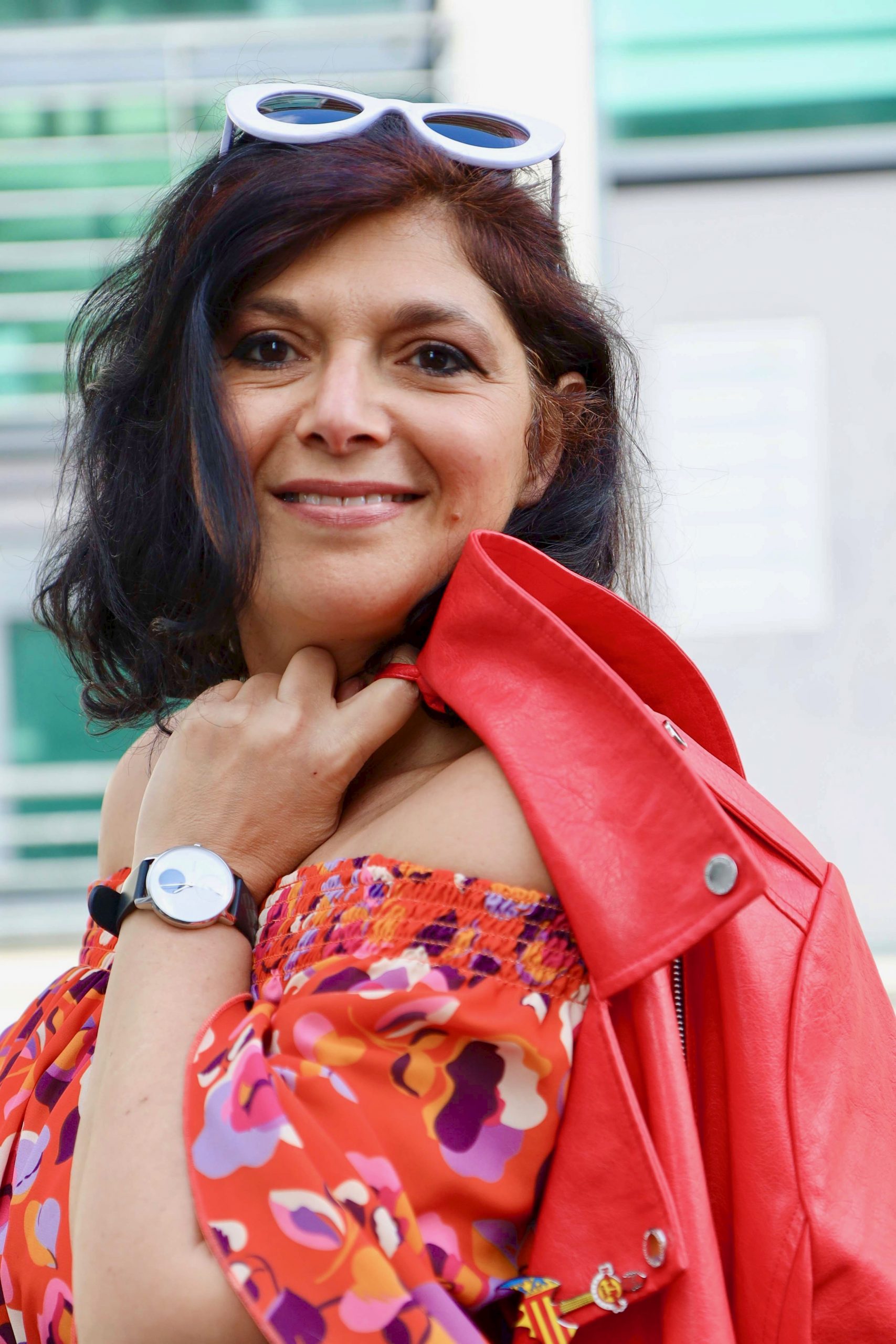
Monica Costa founded London Mums in September 2006 after her son Diego’s birth together with a group of mothers who felt the need of meeting up regularly to share the challenges and joys of motherhood in metropolitan and multicultural London. London Mums is the FREE and independent peer support group for mums and mumpreneurs based in London https://www.londonmumsmagazine.com and you can connect on Twitter @londonmums
