

Most people discover the hard way that not all Chinese tutoring websites are built the same. Some platforms flood you with app-style drills but zero real conversation practice. Others connect you with tutors in inconvenient time zones, making consistent scheduling nearly impossible. Then there’s the HSK prep gap, where platforms promise exam readiness but never actually deliver content that matches what the test covers. After reviewing dozens of platforms across tutor quality, scheduling flexibility, and real learning outcomes, this guide breaks down five options that genuinely work for learners at different stages.
The shortlist methodology
Every decision here was driven by public information: user reviews, feature breakdowns, platform ratings from trusted directories, and official site details, all pulled and cross-checked. Only platforms with a track record of delivering real results in education technology made the cut.
? See the full research breakdown
- italki – Best for one-on-one conversational language learning
- LingQ – Best for self-directed language learners and content-based language learning
- Colloquial Audio – Best for beginner language learning courses
- Memrise – Best for language learning and vocabulary acquisition
- Librivox – Best for free public domain audiobooks and accessible education content
How the Right Chinese Tutoring Websites Drive Competitive Advantage
Picking the wrong platform doesn’t just waste money. It costs learners weeks or months of progress they can’t get back. The challenge with learning Mandarin as a non-native speaker is that you need a tutor who understands how to teach tones, character recognition, and spoken fluency as separate but connected skills. Not every platform is built for that.
Aligning study content with HSK exam preparation is another sticking point. Generic platforms often skip the structured vocabulary and grammar patterns that HSK levels actually test.
The right choice changes everything on the outcome side. Students who find a platform that fits their learning style tend to see faster HSK level advancement, higher average lessons completed per month, and stronger free trial to paid enrollment conversion rates, because the first experience actually lands. That kind of momentum is hard to build on the wrong platform.
Top 5 Chinese Tutoring Websites: What You Need to Know
Note: All data in this table is sourced from review platforms and the official websites of the listed companies.
| Company Name | Years Operating | Headquartered In |
| italki | Since 2007 | Hong Kong |
| LingQ | Since 2007 | West Vancouver, BC |
| Colloquial Audio | Since 1836 | Not listed |
| Memrise | Since 2010 | London, United Kingdom |
| Librivox | Since 2005 | San Francisco, California |
- italki – Best for One-on-One Conversational Language Learning
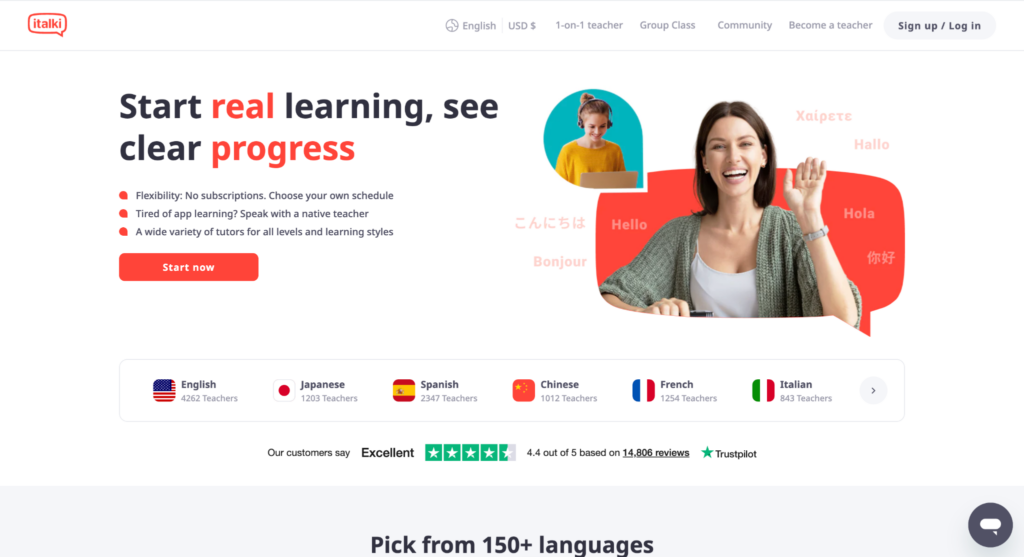
What Does italki Provide?
italki runs a global marketplace where learners connect directly with native-speaking tutors for live, one-on-one video lessons across more than 130 languages. The platform offers both certified professional teachers and community tutors, so learners can pick based on budget, teaching style, or exam focus. Learners searching through https://www.italki.com/en/teachers/chinese can filter tutors by price, availability, teaching specialty, and student reviews before booking a single session. The pay-per-lesson model means there’s no subscription lock-in, which makes it genuinely low-risk to try.
What’s italki’s Real Pull for Chinese Tutoring Websites?
italki solves the most stubborn problem in Mandarin learning: finding a real human who can correct your tones in real time and adjust their teaching based on your actual weak spots. That kind of live, responsive instruction tends to produce speaking fluency gains that no app-based drill system can replicate.
The Review Pattern:
Learners consistently praise the breadth of tutor options and the ease of booking trial lessons. The main pattern in negative reviews is tutor inconsistency, since each instructor sets their own style and pace. That’s the trade-off with any open marketplace, and most learners find a good match within the first two or three trials.
- LingQ – Best for Self-Directed Learners and Content-Based Study
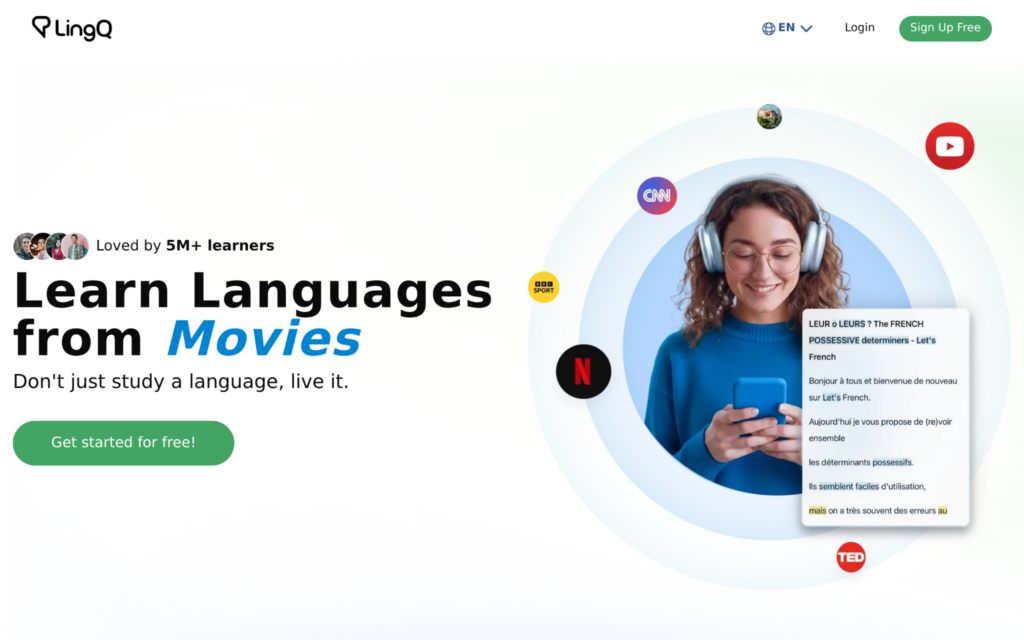
What Does LingQ Provide?
LingQ is built around a simple but powerful idea: learn a language by consuming content you actually care about. The platform lets users import podcasts, YouTube videos, articles, and books, then turns them into interactive lessons with vocabulary tracking and transcript generation. It covers more than 50 languages and is especially strong for learners who want to build reading and listening skills at their own pace. Full access isn’t cheap, but the feature set earns it.
What’s LingQ’s Real Pull for Chinese Tutoring Websites?
LingQ addresses the consistency problem that kills most language learning routines by letting students learn from content they’re already motivated to consume, removing the “this feels like homework” friction. Compare Language Apps named it the most effective language app in an independent ranking, which is a meaningful signal when it comes to actual acquisition outcomes.
The Review Pattern:
Users regularly highlight the vocabulary tracking system and the ability to import their own content as standout features. The learning curve for new users gets mentioned often, particularly around the interface setup, but most reviewers say the depth of the platform is worth the initial adjustment.
- Colloquial Audio – Best for Structured Beginner Language Courses
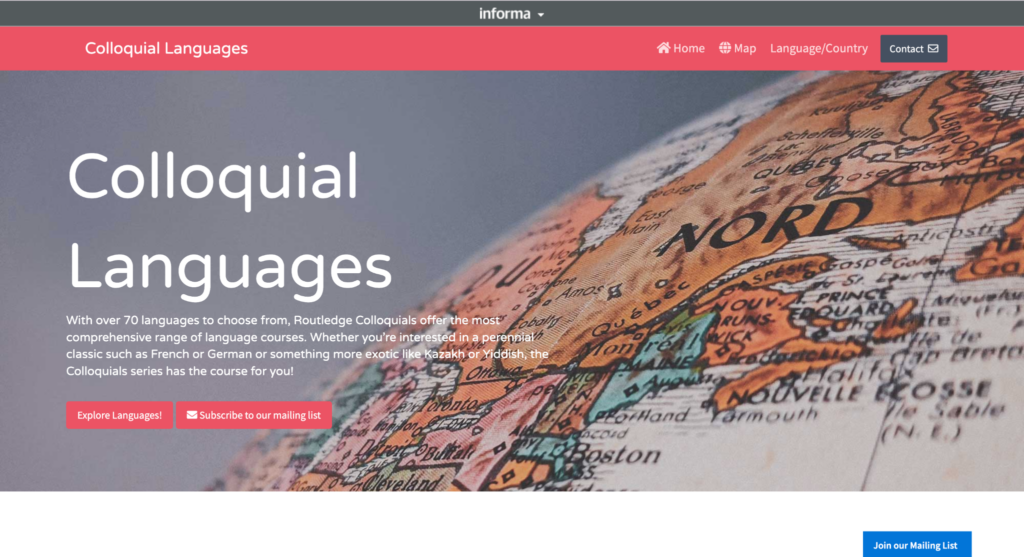
What Does Colloquial Audio Provide?
Colloquial Audio is published by Routledge and offers more than 70 structured language courses aimed squarely at beginners. Each course walks learners through grammar, listening, speaking, reading, and writing in a progressive format built on realistic dialogues and cultural context. The free downloadable MP3 audio from native speakers is a genuine differentiator at this price point, giving beginner Mandarin learners access to proper pronunciation modeling without additional cost.
What’s Colloquial Audio’s Real Pull for Chinese Tutoring Websites?
The platform fills a real gap for learners who need a structured, textbook-style foundation before they’re ready to talk with a live tutor. Routledge’s academic publishing background going back to 1836 means the curriculum isn’t thrown together, and that shows in the clarity of the grammar explanations.
The Review Pattern:
The Colloquial series gets consistent praise for being clear, well-paced, and accessible for true beginners. Blackwell’s University Bookshop has noted its strong market fit. The feedback pattern points to learners using it as a confidence-builder before moving on to live conversational practice, which is exactly the role it’s designed to play.
- Memrise – Best for Vocabulary Acquisition and Daily Practice
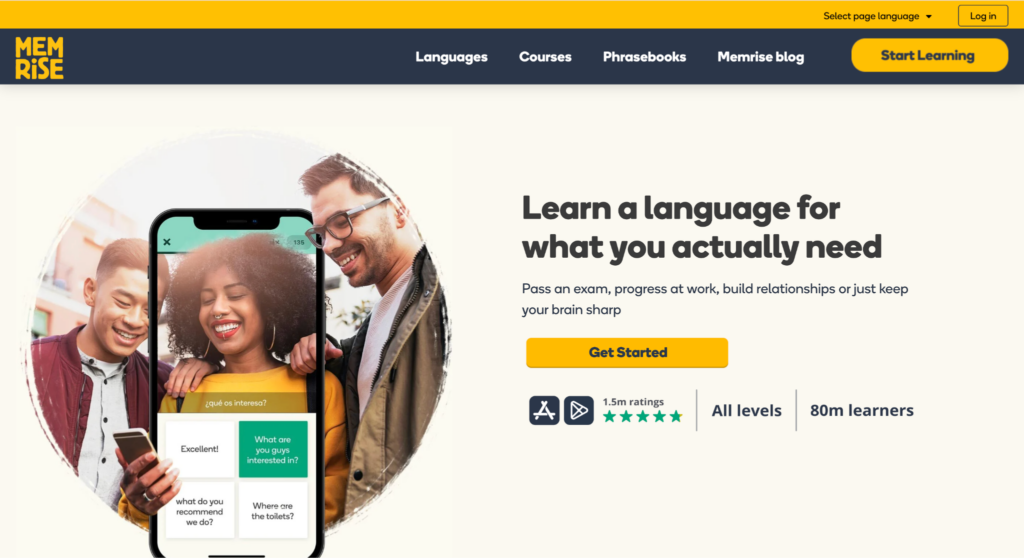
What Does Memrise Provide?
Memrise combines spaced repetition with real video and audio clips from native speakers, giving learners exposure to how Mandarin actually sounds in everyday conversation, not just textbook pronunciation. The platform covers 200 language combinations across 24 languages and uses pronunciation feedback to help learners self-correct. With over 50 million users and availability on web, iOS, and Android, it’s one of the most widely tested platforms in this space.
What’s Memrise’s Real Pull for Chinese Tutoring Websites?
Memrise targets the vocabulary retention problem that trips up almost every Mandarin learner in the early stages, where words fall out of memory faster than they’re acquired. The spaced repetition engine, backed by evidence from memory science, keeps vocabulary circulating long enough to actually stick.
The Review Pattern:
Google Play named it Best App in 2017, and the recognition holds up in user sentiment today. Learners value the native speaker video clips most, calling them more useful than audio-only alternatives. Some users mention that the free tier feels limited for serious study, but the paid version gets strong marks for depth.
- Librivox – Best for Free Audio Immersion and Public Domain Content
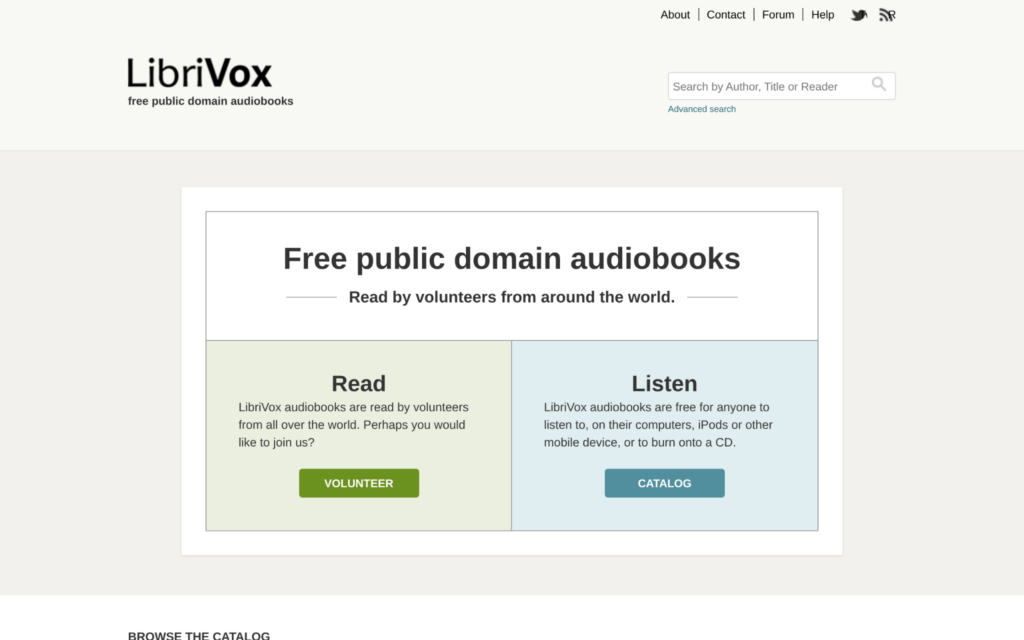
What Does Librivox Provide?
LibriVox is a volunteer-driven project that records public domain texts and makes them available as free audiobooks in 48 languages. Founded in 2005, it has produced more than 20,000 recordings contributed by over 13,000 volunteers worldwide. For language learners, it offers a no-cost way to build listening stamina and get extended exposure to spoken language, with no ads, no subscriptions, and no paywalls blocking access to the content.
What’s Librivox’s Real Pull for Chinese Tutoring Websites?
LibriVox fills the immersion gap for learners who can’t yet afford regular tutoring sessions but still need listening exposure to make progress. That kind of free, frictionless access to real spoken content is rare at this scale, and based on the research, it tends to become a go-to supplemental tool rather than a standalone platform.
The Review Pattern:
The BBC, MSNBC’s Today Show, and Wired have all covered LibriVox, which lends real credibility to a project that runs entirely on volunteer effort. Reviews consistently appreciate the completely free model and the sheer volume of content available. The main trade-off reviewers flag is audio quality variation across volunteers, which is expected given how the project is structured.
How These Picks Earned Their Spot
What to Collect Before You Start
The research started by casting a wide net. Directories, review platforms, community forums, and language learning resources were all searched to build an initial longlist of Chinese tutoring platforms and tools. Each candidate was identified based on search visibility, user-generated mentions, and inclusion in recognized education technology roundups. The goal at this stage was breadth, not judgment, so nothing was ruled out until there was enough data to evaluate it properly.
Eligibility Review: Screening the Top Prospects
Once the longlist was assembled, unverified or thinly documented options were removed first. Platforms without consistent user review histories, no presence on major review aggregators, or no clear evidence of active learner communities were filtered out. Review patterns across multiple sources were analyzed rather than relying on any single rating, since a platform can look strong on one site and tell a different story across several others.
Reliability Assessment of Supporting Evidence
Claims made on official platform pages were cross-checked against what actual users reported in reviews, forum discussions, and third-party write-ups. Where a platform promised strong HSK exam preparation or tutor quality, the supporting evidence was tested: were those outcomes reflected in student feedback? Did tutor vetting processes show up in reviews as credible? Platforms where marketing claims and real-world results diverged significantly were downgraded or cut.
Industry Voice and Output Audit
Recognition signals were evaluated separately from user reviews. Award mentions, coverage in major publications, academic backing, and original research published by or about each platform were all noted. This wasn’t about prestige for its own sake. A platform that gets covered by major media outlets or earns app store recognition from competitive categories tends to have demonstrated results at scale, and that matters when learners are choosing where to invest their study time.
Pulling Chinese Tutoring Websites-Specific Evidence
The final filter was the most targeted. Each platform was checked for Chinese language learning relevance: dedicated Mandarin tutor pages, verified learner reviews mentioning Mandarin study, content built around Chinese character instruction, and any evidence of HSK-aligned curriculum or tonal language teaching support. Platforms that were strong in language learning but had no specific evidence of Chinese tutoring depth were ranked lower than those with clear, verifiable signals in this specific area.
Narrowing It Down to the Right Chinese Tutoring Websites
Not every platform on this list will be the right fit for every learner. The best choice depends on where you are in your Mandarin journey and what kind of support you actually need. Here’s what to weigh before committing.
- Industry/Domain Experience: Look for platforms with a clear history in language education, not just general e-learning. Longer track records in this space usually mean better tutor vetting and more refined curriculum design.
- Features and Services: Check whether the platform covers your specific need, whether that’s live one-on-one tutoring, self-paced vocabulary building, structured beginner courses, or immersive audio practice.
- Pricing Structure: Pay-per-lesson models give flexibility without commitment. Subscription platforms can offer better value for consistent learners. Match the pricing model to your study consistency, not just your budget.
- Results Measurement: Strong platforms give you a way to track progress, whether through HSK level tracking, tutor feedback scores, vocabulary milestones, or lesson completion rates.
- Industry Knowledge and Compliance: For learners under 18, tutor vetting and child safety standards matter. Check that any platform you consider has clear processes for verifying tutor credentials and background checks.
Bottom Line
Choosing the right platform for Mandarin learning comes down to matching the tool to your actual learning style and goals. Live tutoring platforms work best for speaking fluency and HSK prep. Self-directed tools like content importers and vocabulary apps fill the gaps between sessions. Free immersion resources keep costs low while building listening stamina. The platforms covered here each solve a specific piece of the puzzle, and the space keeps getting stronger as learner expectations rise.

Monica Costa founded London Mums in September 2006 after her son Diego’s birth together with a group of mothers who felt the need of meeting up regularly to share the challenges and joys of motherhood in metropolitan and multicultural London. London Mums is the FREE and independent peer support group for mums and mumpreneurs based in London https://www.londonmumsmagazine.com and you can connect on Twitter @londonmums
