

Autism and ADHD are neurodevelopmental conditions that affect how people think, focus, and interact with the world. Autism was first formally described in the 1940s, while ADHD has been studied for decades as well. What has changed is how much we now understand about how these conditions affect daily life.
In the UK alone, around 1 in 100 people are on the autism spectrum, and in England, an estimated 2.5 million people are thought to be living with ADHD, including those undiagnosed. That means millions of people are living with these conditions, even if not all are diagnosed.
Still, there is a lot of confusion and misinformation out there. Stereotypes and outdated ideas still shape how people view autism and ADHD, which can lead to misunderstandings.
In this article, we break down some of the most common myths and misconceptions, along with key things you should know to better understand autism and ADHD.
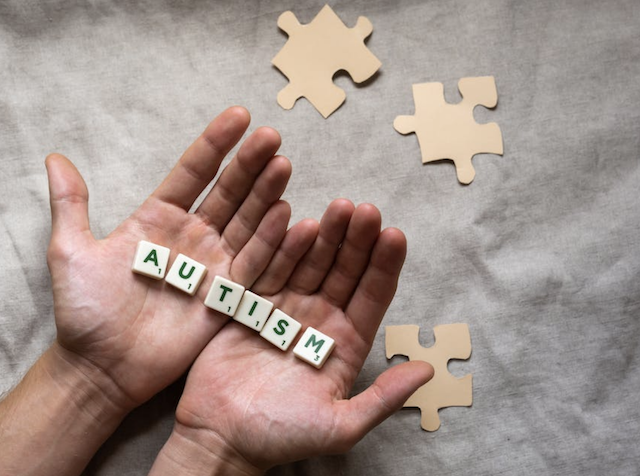
Autism vs. ADHD
Autism, also known as Autism Spectrum Disorder (ASD), is a neurodevelopmental condition that affects how a person communicates, interacts socially, and experiences the world around them. Autism exists on a spectrum, which means it can look very different from one person to another.
ADHD, or Attention Deficit Hyperactivity Disorder, is another neurodevelopmental condition that mainly affects attention, impulse control, and activity levels. People with ADHD may find it hard to stay focused, follow through on tasks, or sit still for long periods.
Both conditions affect how the brain works, but they are not the same. Autism is more related to social communication and behaviour patterns, while ADHD is more about attention and self-control. That said, some people can have both, which can make things a bit more complex when it comes to diagnosis and support.
10 Myths About ADHD and Autism
ADHD and autism are often misunderstood, especially when people rely on old ideas or surface-level information. These misunderstandings can affect how people are treated and how quickly they get the right support.
To clear things up, here are the 10 common myths about ADHD and autism that you should know:
1) ADHD and Autism Are the Same
ADHD and autism are both neurodevelopmental conditions, but they are not interchangeable. They affect different areas of how a person thinks, behaves, and interacts with others.
Someone with ADHD may struggle more with focus and impulsivity, while someone with autism may experience differences in communication and social interaction. Some people have both, but that still does not make them the same condition.
2) Only Boys Get Diagnosed
This is a common belief, but it is not accurate by any means. Girls and women can have ADHD or autism, too, though their traits can look different and are sometimes less obvious.
3) People with ADHD Are Just Lazy
This one can be really frustrating for people with ADHD. Struggling to focus or complete tasks is not about a lack of effort.
In many cases, the challenge is starting or staying on a task, even when they care about it. It is more about how the brain handles motivation and attention, not about being lazy.
4) Only Children Have Autism or ADHD
A lot of people associate these conditions with kids, but they do not just disappear with age. Adults live with them too, whether diagnosed early or much later.
Some people only realise they have ADHD or autism in adulthood. Getting answers later on can still be helpful and often brings a sense of relief.
5) Autism Is Only Seen in “Nerdy” Individuals
There is no single type of person who has autism. Interests, personalities, and lifestyles can vary a lot. Some people may have strong interests in certain topics, but that does not define everyone on the spectrum. It is important to avoid boxing people into one image.
6) Vaccines Cause Autism
This idea has been widely shared in the past, but it has been disproven many times. There is no reliable evidence linking vaccines to autism.
Research over the years has consistently shown that vaccines are safe in this regard. Holding on to this myth can create unnecessary fear and confusion.
7) Autism Cannot Be Supported or Managed
Autism is not something that needs to be “fixed,” but support can make daily life easier. This can include therapy, structured routines, or learning strategies that work for the individual.
8) All Autistic People Are Geniuses
Some individuals on the spectrum have exceptional abilities, but that is not the case for everyone. Autism is a spectrum, which means strengths and challenges vary. It is better to see people as individuals rather than expecting a specific trait.
9) Bad Parenting Causes ADHD or Autism
This myth can place unfair blame on families. ADHD and autism are linked to how the brain develops, not how someone was raised.
Parents play a role in support and guidance, but they do not cause these conditions. Shifting the focus to understanding and support is far more helpful.
10) Autism Means a Lack of Emotion
People with autism do feel emotions, and often very deeply. The difference is usually in how those emotions are shown or understood. Some may express feelings in ways that are not immediately obvious to others, but that does not mean the emotion is not there.
How to Spot Autism and ADHD?
Autism and ADHD can show up in different ways depending on the person, their age, and their environment. Some signs are easy to notice, while others can be more subtle over time.
That’s why getting proper guidance matters. It is always a good idea to speak with experts like NeuroAffinity, whose expertise in autism and ADHD allows them to provide accurate assessments and personalised support. Their team is also made up of qualified professionals accredited by the GMC, GPhC, HCPC, and NMC, giving you added confidence in the care you receive.
You may want to consider seeing a professional if you notice patterns like these:
| Area | Autism (ASD) Signs | ADHD Signs |
| Communication | Difficulty with back-and-forth conversations, may avoid eye contact | May interrupt conversations or talk excessively |
| Social Interaction | Struggles with social cues or understanding others’ emotions | May act without thinking in social situations |
| Behavior | Repetitive actions or strong focus on specific interests | Restlessness, difficulty sitting still |
| Attention | Deep focus on specific topics, may ignore other tasks | Easily distracted, struggles to stay on task |
| Routine | Prefers structure and sameness | Finds it hard to follow routines consistently |
| Sensory | Sensitive to noise, light, or textures | May be overwhelmed but less commonly sensory-driven |
Let’s Spread Autism and ADHD Awareness
Understanding autism and ADHD starts with learning the facts and letting go of common myths.
Autism and ADHD don’t look the same for everyone, and that’s what makes them easy to misunderstand.
The more you know, the easier it becomes to support others and even understand yourself better. Simple awareness can change how people are treated at school, at work, and in everyday life.
If something in this article stood out to you, share it with others. Spreading the right information helps create a more understanding and supportive space for everyone.

Monica Costa founded London Mums in September 2006 after her son Diego’s birth together with a group of mothers who felt the need of meeting up regularly to share the challenges and joys of motherhood in metropolitan and multicultural London. London Mums is the FREE and independent peer support group for mums and mumpreneurs based in London https://www.londonmumsmagazine.com and you can connect on Twitter @londonmums
