

A pre-bed wind-down works best when it’s both pleasant and consistent. The trouble is that most sleep hygiene advice asks you to stop doing things (no phones, no caffeine, no late workouts), which leaves a gap where something positive could go. Reflexology slippers are one of the more elegant ways to fill that gap: you slip them on, sit down with a book, and the reflexology does its work quietly in the background.
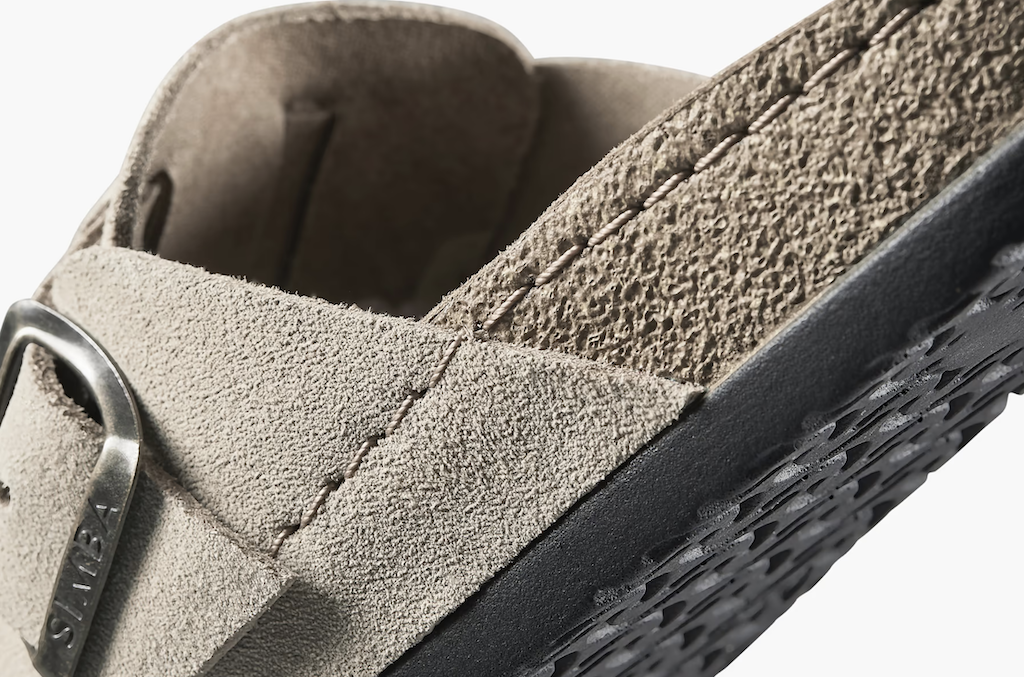
The practice they’re built on goes back thousands of years, and the principle is simpler than it sounds. Cushioned pressure points in the sole apply gentle stimulation to specific reflex points across the foot as you walk or stand, and the effect builds steadily over the course of an evening. Reflexology slippers deliver this through a nine-point pressure sole, which is the feature that does the actual reflexology work, whichever style you choose.
Are Reflexology Slippers Effective?
Reflexology rests on a straightforward idea: that applying pressure to specific points on the feet can encourage relaxation and a sense of well-being through the rest of the body. It’s worth being upfront that the clinical evidence is mixed. Some studies of hands-on foot reflexology have reported improvements in relaxation and sleep quality, with longer and more regular stimulation tending to show greater effects, while other researchers remain skeptical and stress that it isn’t a treatment for medical conditions.
We’d never say that slippers can replicate the targeted intensity of a session with a trained reflexologist, and that’s fair to flag. What they do is make the underlying principle, regular and gentle stimulation of the foot’s reflex points, part of an everyday routine. A hands-on session is occasional and effortful; a pair of slippers turns the same idea into a nightly habit you barely have to think about. With that honest framing in place, here are five ways the reflexology built into them can support better rest.
Benefit 1: The Pressure Points Cue Your Body to Relax
The heart of reflexology is the stimulation of pressure points on the sole, and that’s the first benefit. As you move around in reflexology slippers, the nine-point sole works gently across the reflex points of your foot, providing a steady, low-level stimulation that, in reflexology terms, encourages the body to shift towards its parasympathetic “rest and digest” state.
For people whose evenings stay stimulating right up to bedtime, that subtle reflexology cue matters. It isn’t dramatic, and it doesn’t claim to be: it’s the gentle, repeated contact of the pressure points that nudges you out of “go” mode and towards rest. Worn for twenty to thirty minutes before bed, the reflexology stimulation has time to build that sense of calm rather than arriving all at once.
Benefit 2: Reflexology Stimulation Encourages Foot Circulation
A central claim of reflexology is that pressure on the foot stimulates blood flow, and this is where it ties directly into sleep. The gentle pressure of the nine-point sole works across the underside of the foot as you wear the slippers, which can help encourage circulation in the feet.
This matters more than it sounds for anyone who gets cold feet at night. Warm feet are part of how the body initiates sleep, because it cools its core by routing heat out to the extremities, and cold feet can delay that process. By stimulating the reflex points across the sole, reflexology slippers can help your feet feel warmer at the moment you climb into bed, giving the body’s natural cooling cycle the head start it needs.
Benefit 3: Reflexology Releases the Tension Held in Your Feet
Reflexology has always treated the foot as a place where tension gathers, and there’s real everyday truth in that. Most of us spend the day in unsupportive shoes, on hard floors, or both, and the feet accumulate tightness that travels up the chain into the calves, hamstrings and lower back.
This is where the reflexology sole acts as a kind of passive, gentle massage. As you move, the nine pressure points work across the foot, helping to release some of that built-up tension before bed rather than carrying it into the night. The benefit tends to compound: a more relaxed body lies down more comfortably, settles faster, and shifts position less. For example, Simba’s reflexology slippers are designed for daily wear, the reflexology relief is built into the routine rather than saved for a special occasion; it sits naturally alongside other tools for better sleep, such as an adjustable pillow and a properly cooled bedroom.
Benefit 4: The Reflexology Sensation Becomes a Sleep Cue
Sleep researchers consistently point to the value of consistent cues, and reflexology slippers offer a distinctive one. The brain learns to associate particular sensations and routines with sleep, and over time those cues alone start to trigger the relaxation response. The specific feel of the reflexology sole underfoot, worn only in the evening, becomes exactly that kind of signal.
It’s the same principle as reading the same kind of book before bed or drinking the same herbal tea each night, but with an added layer. The reflexology slippers are doing two things at once: providing the physical stimulation of the pressure points, and training your brain to expect sleep whenever that familiar reflexology sensation begins. The mechanism and the habit reinforce each other.
Benefit 5: The Reflexology Keeps Working Beyond Bedtime
Reflexology doesn’t switch off when you leave the bedroom, and neither do these slippers. Because Simba’s range is designed for both indoor and outdoor use, the nine-point pressure sole keeps stimulating your feet whenever you wear them, so the circulation and tension-relief effects of the reflexology aren’t limited to your wind-down.
That makes them genuinely useful for working from home, popping to the shops, or simply having decent footwear when you’re on your feet all day. The Ylur is a leather sandal, the Rok a leather moccasin, and the Stormur a felted Merino wool clog, but all three carry the same nine-point reflexology sole, so the underlying benefit travels with you wherever you put them on.
Choosing the Right Simba Style
The three Simba styles serve slightly different preferences, while sharing the reflexology sole that does the work:
| Style | Design | Best for |
| Ylur | Leather and Merino wool sandal | Warmer weather, breathable feel, indoor and outdoor flexibility |
| Rok | Leather and Merino wool moccasin | Classic styling, durability, all-day wear |
| Stormur | Leather and felted Merino wool clog | Cooler weather, soft wool feel, warm texture |
All three use the same nine-point pressure sole, so the reflexology element is consistent across the range. The choice comes down to material, climate, and how you’d like them to look.
What Reflexology Slippers Don’t Do
It’s worth being honest about what reflexology slippers can and can’t deliver. The evidence base for traditional reflexology is mixed, and doctors don’t recommend it as a treatment for serious health conditions. The slippers are a complementary tool that supports rest and relaxation, not a medical intervention, and they’re at their best as one part of a wider routine rather than a fix on their own.
A few cautions are worth noting. People with diabetic neuropathy may not feel pressure injuries developing on their feet, so it’s wise to consult a healthcare professional before using pressure-based footwear. Recent foot injuries or acute plantar fasciitis can be aggravated by additional pressure. During pregnancy, some reflexologists advise caution around specific foot pressure points, so check with a midwife if you’re unsure. For most healthy adults, the slippers are low-risk, and the worst case is mild discomfort while you break them in.
How to Get the Most From Reflexology Slippers
To get the most from a pair, wear them in the evening as a deliberate part of your wind-down. The cumulative effect of twenty to thirty minutes of reflexology stimulation is usually noticeable, particularly when it’s paired with dim lighting and reduced screen time.
You can also combine them with the other components of a consistent routine. Reading, warm-toned lighting, herbal tea and reflexology slippers all amplify one another: any single one has a modest effect, but together they add up to something meaningful. One practical tip is to replace them roughly once a year with regular use, partly for hygiene and partly because the pressure points compress over time, and a worn-down reflexology sole is a less effective tool.
The Bottom Line
Reflexology slippers are a small but useful addition to an evening routine. Through the gentle stimulation of the foot’s pressure points, they support relaxation, encourage circulation, help release daily tension and build a consistent bedtime cue, all while looking good enough to wear out of the house. The clinical case for reflexology itself is mixed, and it’s only fair to say so, but the practical case for a cushioned, nine-point reflexology sole as a sleep-supporting habit is much stronger. As one component of a wider wind-down, Simba’s reflexology slippers have earned their place.
FAQs
How long should I wear reflexology slippers before bed?
Around twenty to thirty minutes tends to be the sweet spot. That’s long enough for the reflexology stimulation and the circulation and relaxation effects to build, but short enough that they stay comfortable.
Can I wear reflexology slippers all day?
Yes. Simba’s range is designed for indoor and outdoor wear, so you can keep the nine-point reflexology sole working through the day and carry it into your evening wind-down.
Are reflexology slippers suitable for everyone?
For most healthy adults, yes. People with diabetic neuropathy, acute foot injuries, or specific concerns during pregnancy should consult a healthcare professional first.
Do reflexology slippers replace a foot massage from a therapist?
No. A trained reflexologist provides targeted pressure that slippers can’t replicate. What slippers offer is a daily, low-effort version of the same reflexology principle.
Can I sleep in reflexology slippers?
No. The pressure-point soles aren’t designed for extended wear in bed, so take them off once you actually get in.
How often should reflexology slippers be replaced?
Roughly once a year with daily wear. The reflexology pressure points compress over time and gradually become less effective.
Disclaimer: This article is for general informational purposes only and is not intended as medical advice. People with diabetes, neuropathy, or chronic foot conditions should consult a healthcare professional before using pressure-based footwear. Reflexology is a complementary practice and is not a substitute for medical treatment of underlying health conditions.

Monica Costa founded London Mums in September 2006 after her son Diego’s birth together with a group of mothers who felt the need of meeting up regularly to share the challenges and joys of motherhood in metropolitan and multicultural London. London Mums is the FREE and independent peer support group for mums and mumpreneurs based in London https://www.londonmumsmagazine.com and you can connect on Twitter @londonmums
