

Colorado spans over 104,000 square miles of terrain that ranges from 3,300 feet in the eastern plains to over 14,400 feet at the summit of Mount Elbert. That kind of elevation range means the state offers wildly different experiences depending on where you go and when you visit. This guide breaks down what first-time visitors need to know before planning a trip.
Understand the Regions Before You Plan
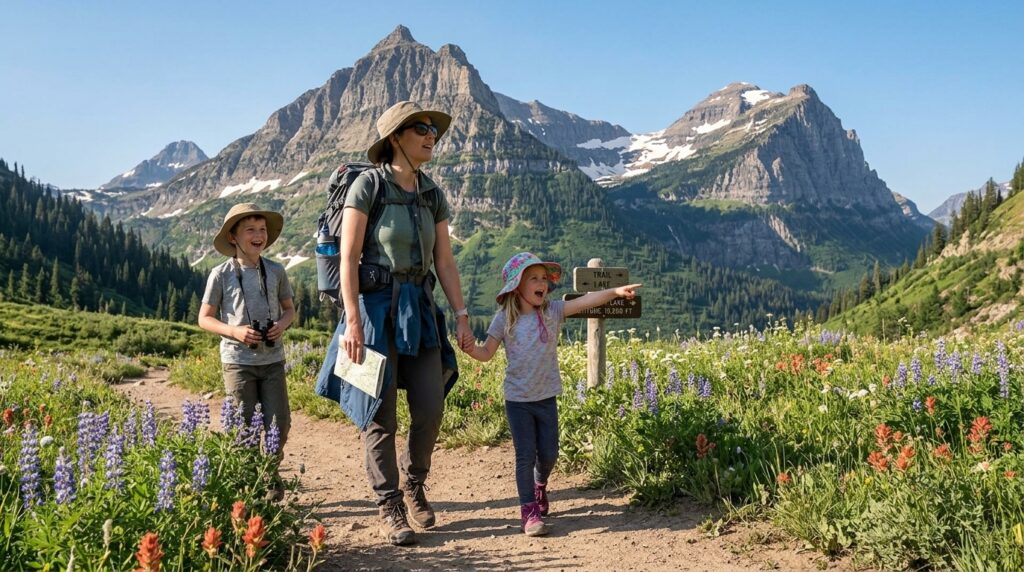
Colorado isn’t one destination, it’s several distinct ones stitched together. The Front Range, home to Denver, Boulder, and Colorado Springs, gives you easy access to mountains without sacrificing city amenities. Head west and you hit the high country, including Vail, Aspen, and Breckenridge, where ski towns turn into hiking and mountain biking hubs each summer.
The Western Slope, around Grand Junction and Glenwood Springs, offers desert canyons, wine country, and hot springs at lower elevations. Southern Colorado, including Durango and the San Juan Mountains, tends to be quieter and less crowded, with some of the best scenery in the state. Knowing which region matches your interests will save you from over-scheduling a trip that tries to cover too much ground.
Time Your Visit to Match Your Goals
Summer, roughly June through early September, is peak season for hiking, camping, and road trips through the mountains. Wildflowers typically bloom from late June into July, especially in alpine areas like Crested Butte and the Maroon Bells. Expect afternoon thunderstorms almost daily in the high country during this window, which matters for anyone planning a summit hike.
Winter runs from late November through March and is built around ski resorts, but mountain passes can close temporarily during heavy snow. Shoulder seasons, particularly September and October, bring fall foliage and thinner crowds, making them a smart choice for visitors who want scenery without the summer traffic. Spring is the least predictable time to visit, with mud season affecting trails and inconsistent weather across the state.
Acclimate Before You Push Your Limits
Altitude sickness is a real concern for visitors flying in from sea level, especially in Denver, Vail, or Breckenridge. Symptoms like headaches, nausea, and fatigue often show up within the first 24 hours at elevation. Give the body a day or two before attempting a strenuous hike above 10,000 feet.
Hydration matters more here than in most places, since the dry mountain air pulls moisture from the body faster than usual. Alcohol also hits harder at altitude, so pacing drinks during the first few days is a reasonable precaution. If symptoms get severe, including confusion or difficulty breathing, descending to a lower elevation is the fastest way to recover.
Explore Beyond the Obvious Hikes
Rocky Mountain National Park and the Garden of the Gods draw huge crowds, and for good reason, but plenty of other options offer similar payoff with fewer people. Waterton Canyon near Denver gives access to bighorn sheep sightings and a gentle trail along the South Platte River. The Ice Lakes Trail near Silverton leads to a strikingly blue alpine lake that rivals anything in the national parks.
For visitors looking for something more adventurous than a standard trail, the Colorado Via Ferrata near Glenwood Springs and Vail offers a guided way to scale exposed rock faces using fixed cables and rungs, no technical climbing experience required. It’s a good middle ground for anyone who wants exposure and adrenaline without committing to full rock climbing gear. These routes typically run a few hours and include instruction, making them accessible for reasonably fit beginners.
Know What to Pack
Layers are non-negotiable in Colorado, even in summer. Mornings can start near 40 degrees Fahrenheit in the mountains and climb into the 70s by early afternoon, then drop again once the sun sets. A lightweight rain shell is worth carrying on any hike above treeline, since afternoon storms roll in fast and often without much warning.
Sun protection deserves more attention than most visitors expect. At higher elevations, UV exposure increases significantly, so sunscreen, sunglasses, and a hat aren’t optional extras. Sturdy footwear with good traction also matters, since trail conditions shift quickly from dry dirt to loose scree or leftover snowpack, even in July.
Respect Wildlife and Terrain
Colorado is home to black bears, mountain lions, moose, and elk, all of which are more common near trailheads than most visitors assume. Moose in particular can be aggressive if approached too closely, and encounters have increased as their population has grown in areas like Grand Lake and Steamboat Springs. Keeping a distance of at least 25 yards from large wildlife is a standard safety guideline used by park rangers throughout the state.
Weather and terrain deserve equal respect. Flash floods can occur in canyon areas during summer storms, and trails above treeline offer no shelter if lightning moves in. Checking a trailhead’s current conditions report before heading out, available through most national forest and park websites, takes a few minutes and can prevent a dangerous situation.
Colorado rewards visitors who plan around its elevation, weather patterns, and terrain rather than treating it like a flat road trip destination. Building in acclimation time, packing for temperature swings, and checking conditions before committing to a route will do more for a first trip than any single attraction on a checklist.

Monica Costa founded London Mums in September 2006 after her son Diego’s birth together with a group of mothers who felt the need of meeting up regularly to share the challenges and joys of motherhood in metropolitan and multicultural London. London Mums is the FREE and independent peer support group for mums and mumpreneurs based in London https://www.londonmumsmagazine.com and you can connect on Twitter @londonmums
