

The South Rim sees about 90 percent of all Grand Canyon visitors, and for good reason: it’s open year-round, easier to reach than the North Rim, and packed with overlooks that require little more than a short walk from a parking lot. If this is a first trip, a little planning turns a chaotic day into a genuinely memorable one. Here’s what to know before you go.
Getting There and Getting Around
The South Rim sits about 60 miles north of Williams, Arizona, and roughly 80 miles from Flagstaff, both reachable by car in under two hours. Grand Canyon Airport, just south of the park entrance, also handles small commercial and charter flights for those flying in directly. Once inside the park, driving your own car is optional and often discouraging, since parking near Grand Canyon Village fills up by mid-morning during busy seasons.
The park’s free shuttle system is the better option for most visitors. Four color-coded routes cover the Village, Market Plaza, the Hermit Road overlooks, and parts of Desert View Drive, running every 15 to 30 minutes depending on the season. Between March and November, Hermit Road is closed to private vehicles entirely, so the shuttle becomes the only way to reach those particular viewpoints.
When to Visit
Spring and fall offer the most comfortable weather, with daytime highs in the 60s and 70s and noticeably thinner crowds than summer. Summer brings heat, afternoon thunderstorms, and the heaviest visitation of the year, though the rim itself stays cooler than the inner canyon, where temperatures regularly top 100 degrees. Winter is the quiet season, with occasional snow dusting the rim and some services on Desert View Drive closed, but the South Rim never fully shuts down and can be strikingly beautiful with snow on the canyon walls.
Early morning and late afternoon are the best times of day regardless of season, both for lighting and for avoiding the busiest window between 10 a.m. and 4 p.m. Sunrise at Mather Point or Yaki Point draws a smaller crowd than sunset spots like Hopi Point, which fills up fast on clear evenings.
Where to See the Views
Mather Point, right near the main visitor center, is the easiest and most crowded viewpoint, making it a good first stop but not the best for a quiet moment. Yavapai Point, a short walk or shuttle ride away, has a geology museum with floor-to-ceiling windows and slightly thinner crowds. Along Hermit Road, Hopi Point and Powell Point offer some of the widest panoramic views on the South Rim and are especially popular at sunset.
Desert View Drive, running 25 miles east from the Village, leads to the Desert View Watchtower, a 70-foot stone structure built in 1932 with a spiral staircase and murals inside. This drive tends to draw fewer visitors than Hermit Road, partly because it takes longer to reach, which makes it worth the extra time if solitude matters more than convenience.
Hiking the Rim and Below It
The Rim Trail runs about 13 miles along the canyon edge, mostly paved and flat, connecting many of the major viewpoints without requiring any technical hiking skill. Walking even a mile or two of it, rather than driving between every stop, gives a better sense of how the canyon’s character changes from one overlook to the next.
For anyone wanting to go below the rim, the Bright Angel Trail and South Kaibab Trail are the two main options, both steep and unshaded for most of their length. Neither trail should be attempted as a rim-to-river round trip in a single day; park rangers report dozens of heat-related rescues each year from hikers who underestimate the return climb. A modest goal, like hiking to the 1.5-Mile Resthouse on Bright Angel Trail, still delivers dramatic views without the physical toll of a full descent.
Seeing the Canyon from the Air
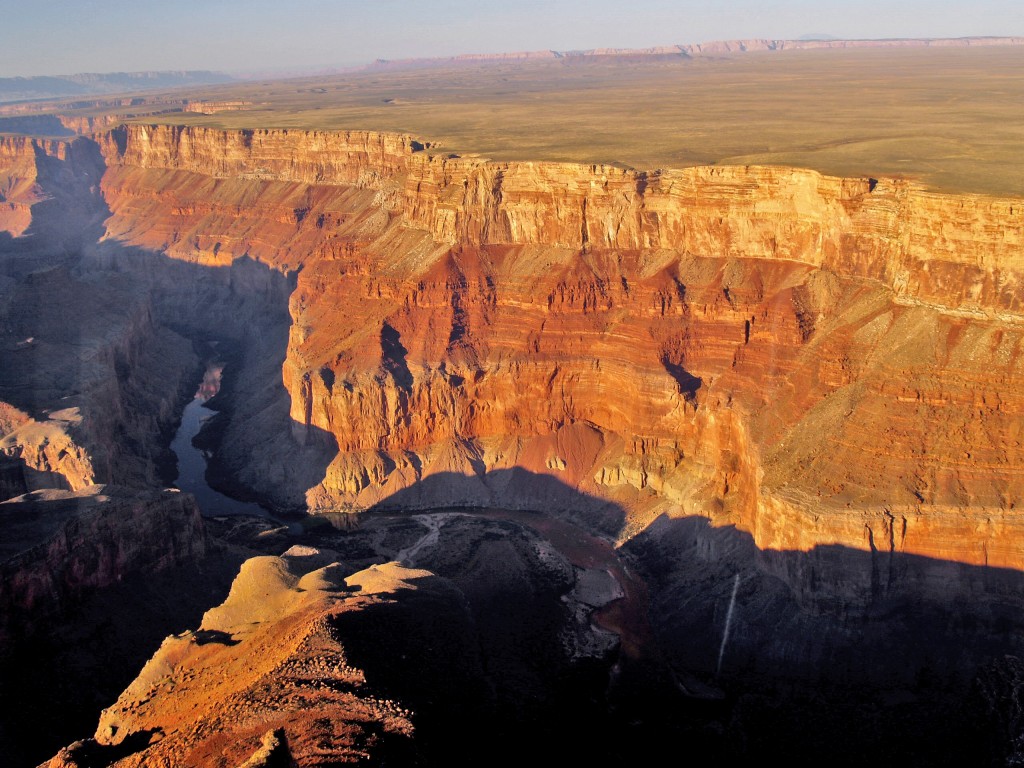
For visitors short on time or hoping to see the canyon’s scale from a different angle, helicopter flights depart regularly from Grand Canyon Airport near Tusayan. These flights typically last 30 to 50 minutes and cover terrain that would take days to hike, including the Dragon Corridor and parts of the canyon not visible from any South Rim overlook. Several companies run Grand Canyon south rim tours by air, and comparing departure times and routes ahead of booking can help match the flight to whatever else is on the day’s itinerary.
Where to Stay Nearby
Six lodges operate directly within the park, ranging from the historic El Tovar, built in 1905, to the simpler Maswik and Yavapai Lodges. These book up months in advance for summer dates, so reserving early matters more here than at almost any other national park. Tusayan and Williams offer more available lodging with shorter booking windows, though staying inside the park means being steps from the rim for sunrise without needing a shuttle at all.
The South Rim rewards visitors who slow down enough to pick a few viewpoints and actually sit with them, rather than trying to check off every overlook in a single afternoon. A well-timed sunrise, one solid stretch of the Rim Trail, and a meal at Desert View will tell you more about this place than a rushed loop through the whole park ever could.

Monica Costa founded London Mums in September 2006 after her son Diego’s birth together with a group of mothers who felt the need of meeting up regularly to share the challenges and joys of motherhood in metropolitan and multicultural London. London Mums is the FREE and independent peer support group for mums and mumpreneurs based in London https://www.londonmumsmagazine.com and you can connect on Twitter @londonmums
