

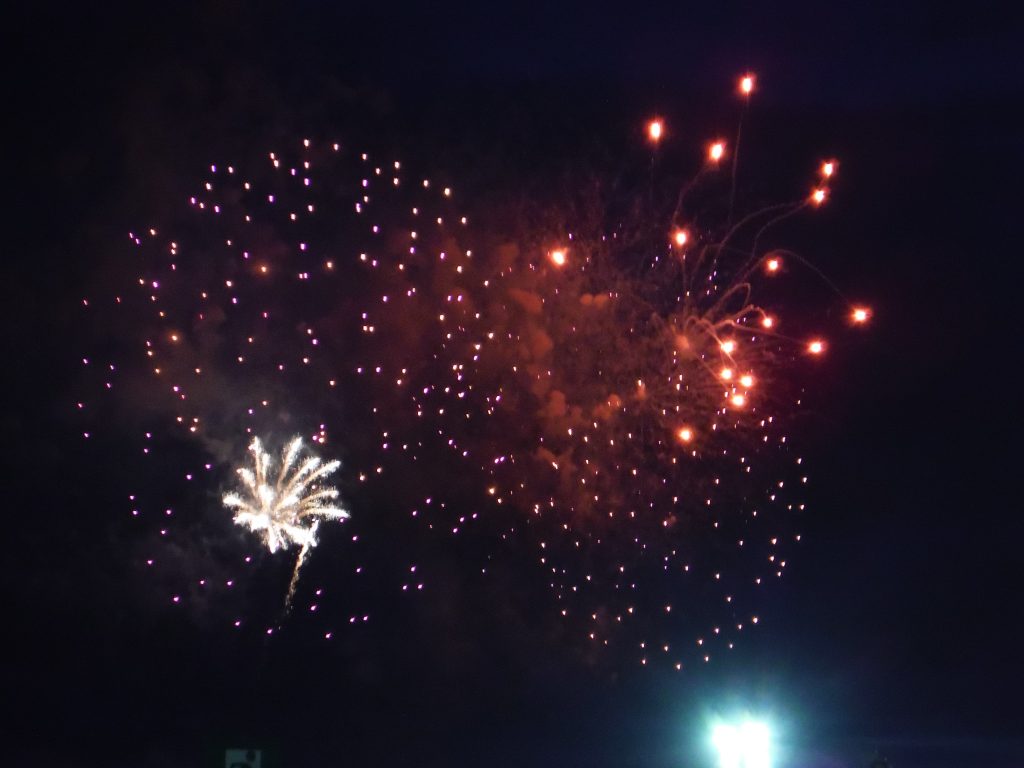
A memorable firework display is rarely about sheer volume. Bigger bangs and longer runtimes can impress for a moment, but the displays people genuinely remember tend to feel carefully shaped. They build anticipation, vary their pace, use colour with intention, and leave the audience with a clear sense that they have seen a complete performance rather than a random sequence of effects.
That sense of balance is what separates a decent show from one that truly lands. Whether the display is for Bonfire Night, a wedding, a summer festival, or a community event, the same principle applies: fireworks work best when they are curated, not just launched.
Balance Starts With Pacing, Not Quantity
One of the most common mistakes in any display is assuming more is automatically better. In practice, nonstop intensity can flatten the experience. If every shell is large, loud, and immediate, the audience has no contrast to react to. The show becomes visually crowded and emotionally one-note.
A well-balanced display has rhythm. It knows when to start with restraint, when to escalate, and when to create a pause that lets the crowd take in what they have just seen. That pacing matters as much as the fireworks themselves.
The Best Displays Create a Narrative Arc
Even without music, a firework display tells a story. The opening should catch attention without exhausting the spectacle too early. The middle can explore variety, introducing shifts in height, texture, colour, and sound. Then the finale should feel earned, not abrupt.
Think of it like any live performance. If the climax comes in the first two minutes, the rest has nowhere to go. On the other hand, if the display stays too cautious for too long, it risks losing energy. Balance comes from progression.
Variety Is More Effective Than Constant Escalation
A strong display uses contrast intelligently. That does not mean throwing in every possible effect. It means selecting combinations that complement one another.
Low-level effects can frame the sky and add depth. Mid-level bursts can maintain momentum. High aerial shells deliver scale and drama. When these layers are used together, the display feels fuller and more deliberate.
The same idea applies to sound. Loud reports have their place, but if every moment is designed to shake the ground, the impact wears off. A mix of crackle, whistle, glittering tails, softer colour breaks, and heavier finales keeps the audience engaged because the show continues to surprise them.
Colour Choice Matters More Than Many People Realise
Colour is not just decoration. It shapes mood. Gold and silver often feel elegant and timeless. Reds and oranges bring warmth and intensity. Blues and greens can introduce contrast and calm, especially when used sparingly.
The most effective displays avoid muddy combinations or repetitive sequences. Instead, they use colour transitions to shift tone. A run of cool hues followed by warmer, brighter effects can make the finale feel even more powerful. It is a subtle design decision, but one the audience feels instinctively.
Safety and Planning Are Part of the Experience
A balanced display is not only about visual composition. It also depends on planning, spacing, and control. If fireworks are fired too closely together, from the wrong angles, or without regard for wind and fallout zones, the result is not just unsafe; it is also messy. Timing slips, visibility suffers, and the show loses coherence.
That is why experienced organisers think about site conditions early. Crowd placement, firing distance, local restrictions, noise sensitivity, and weather all shape what a display can realistically and safely achieve. Good design starts with those realities, not after them.
For anyone involved in planning a private or community event, understanding the basics of responsible handling and use of fireworks products is part of building a display that feels professional rather than improvised. Safety does not sit outside the creative process. It supports it.
Audience Awareness Makes the Difference
Not every audience wants the same kind of show. A display for young families may benefit from strong visual effects with a more moderate noise profile. A large outdoor festival crowd may expect a bigger, louder finale. A wedding display might lean toward elegance and synchronisation rather than brute force.
The best displays are designed with the audience in mind, not the preferences of the person buying the fireworks. That sounds obvious, but it is often overlooked. When the content matches the setting and the crowd, the display feels intentional.
Ask a Few Practical Questions First
Before choosing effects, it helps to define the event clearly:
- How long should the display last to maintain energy without dragging?
- Will the audience be close enough to appreciate lower-level effects?
- Is the venue suited to louder fireworks, or would a mixed-noise approach work better?
- Should the tone feel celebratory, theatrical, family-friendly, or high impact?
A few decisions at the start can prevent the display from feeling mismatched later.
Timing and Sequencing Shape Emotional Impact
Great displays know how to use timing. Two shells fired with perfect spacing can be more effective than five fired all at once. A slight delay before a major break builds tension. Repeating a motif once or twice can create familiarity, but overusing the same effect makes the show predictable.
Sequencing is where craft really shows. Professionals often think in terms of flow: what is happening in the sky now, what the audience is still processing, and what should come next. That awareness prevents visual clutter and gives each effect room to register.
The Finale Should Feel Bigger, Not Just Busier
A common misconception is that a finale simply means launching everything left at once. In reality, the strongest finales feel structured. They layer effects, increase pace, widen the sky coverage, and then end decisively.
That last point matters. A weak ending can undercut an otherwise strong display. A clean, confident final sequence leaves the audience with the feeling that the show knew exactly what it wanted to say.
What People Remember Most
When people talk about a brilliant firework display afterward, they usually do not mention technical specifications. They remember how it felt. They remember the first burst that drew everyone in, the unexpected colour change, the moment the pace lifted, and the finale that made the whole crowd look up at once.
That reaction comes from balance: enough variety to stay interesting, enough structure to feel coherent, and enough restraint to let the biggest moments truly stand out. In other words, the best firework displays are designed, not just assembled. And that is exactly why they stay in the memory long after the last spark fades.
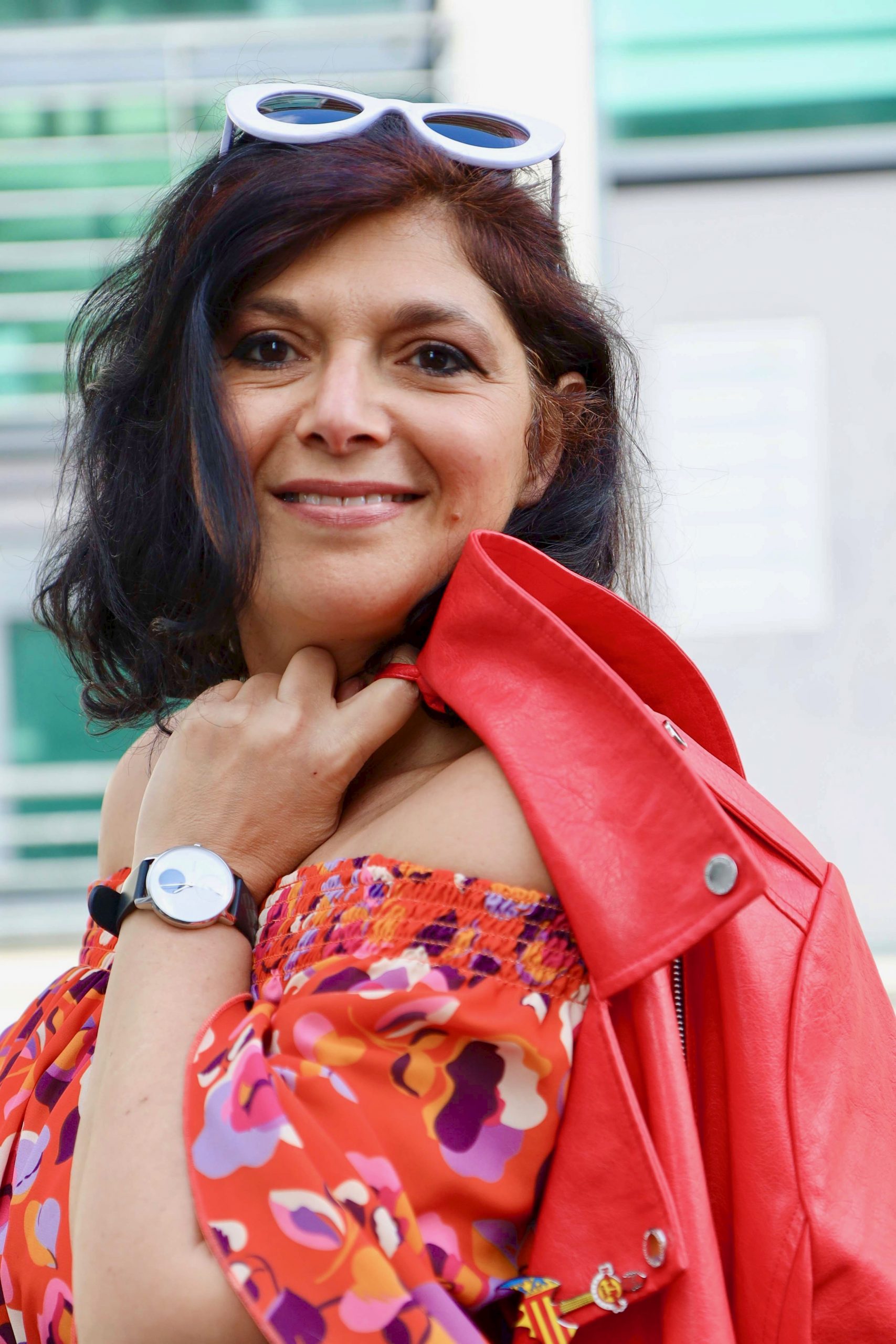
Monica Costa founded London Mums in September 2006 after her son Diego’s birth together with a group of mothers who felt the need of meeting up regularly to share the challenges and joys of motherhood in metropolitan and multicultural London. London Mums is the FREE and independent peer support group for mums and mumpreneurs based in London https://www.londonmumsmagazine.com and you can connect on Twitter @londonmums
