

Corporate celebrations can look deceptively simple from the outside. Book a venue, arrange catering, send invitations, and let people enjoy themselves. But anyone who has planned one knows the atmosphere doesn’t take care of itself. The energy in the room, the ease of conversation, the timing of key moments, and even how long people stay all depend on one often underestimated factor: the entertainment.
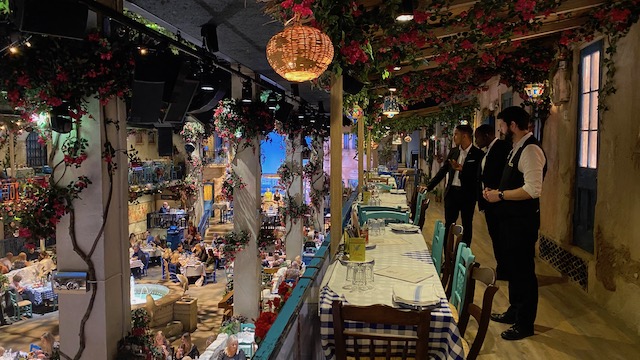
That doesn’t just mean hiring “something fun.” It means choosing entertainment that fits the purpose of the event, the audience in the room, and the message the company wants to leave behind. In corporate settings, entertainment is never just background noise. It shapes the experience.
Entertainment Sets the Emotional Tone
Every corporate event has an objective, even when it’s framed as a celebration. It might be recognising a successful year, rewarding staff, strengthening client relationships, or helping teams connect outside the usual workplace structure. Entertainment has a direct influence on whether that objective is supported or undermined.
A high-energy awards evening needs momentum and confidence. A formal dinner requires restraint and polish. A summer party may call for a lighter, more relaxed mood that encourages conversation rather than dominating it. When the entertainment is mismatched, guests feel it immediately. Music that is too loud too early can shut down networking. Acts that don’t fit the demographic can create awkwardness instead of excitement. Even a technically good performer can feel out of place if the tone is wrong.
That’s why careful selection matters. The best entertainment doesn’t fight the event format; it works with it. It understands when to elevate the room and when to step back.
A Corporate Audience Is Different From a Private Party Crowd
One of the biggest mistakes planners make is assuming entertainment principles are universal. They’re not. A corporate audience usually includes multiple age groups, seniority levels, departments, and sometimes clients or external partners. People arrive with different expectations and varying degrees of comfort.
That creates a more complex brief than a birthday or wedding. Entertainment has to bridge tastes without becoming bland. It needs to be engaging without feeling intrusive. Above all, it should make people feel included.
The challenge of pleasing a mixed room
At a corporate event, the audience may include:
- long-serving executives
- new starters
- remote employees meeting in person for the first time
- clients, suppliers, or stakeholders
That range changes everything. What works brilliantly for one segment may alienate another. Carefully chosen entertainment acts as a connector. It gives people a shared experience without putting anyone on the spot or making the event feel exclusive to one group.
This is especially true when music is central to the evening. A well-judged DJ, for example, can read the room, adapt across generations, and manage transitions in a way a static playlist simply can’t. For organisers weighing options, it helps to understand what specialist workplace party and corporate celebration DJ services are designed to do differently in a professional setting, particularly when the brief calls for flexibility rather than a one-size-fits-all soundtrack.
Good Entertainment Supports Company Culture
Corporate celebrations are often described as “just a night out,” but they communicate more than many businesses realise. They signal what the organisation values, how it sees its people, and how seriously it takes employee experience.
If a company talks about inclusion, attention to detail, and appreciation, the event should reflect that. Entertainment is part of that reflection. Sloppy choices can make an event feel generic or performative. Thoughtful choices suggest care.
It shows whether the event was designed for the audience
People notice when entertainment feels copied from a template. They also notice when it feels intentionally chosen. That might mean live music during a drinks reception to create warmth without disrupting conversation. It might mean a host who can keep an awards segment moving without making it feel stiff. It might mean interactive elements that suit a collaborative team culture rather than forcing participation.
In other words, entertainment can reinforce the identity a company wants to project. That matters internally and externally. Staff remember whether an event felt considered. Clients do too.
Poor Entertainment Has a Ripple Effect
When entertainment lands badly, the consequences go beyond a dull dance floor. It can affect the pacing of the whole evening, the confidence of the organiser, and the willingness of guests to engage.
Think about the common warning signs: awkward silences between segments, music that competes with conversation, performers who don’t understand the room, or a schedule that drags because no one is guiding the atmosphere. These aren’t isolated issues. They influence how people talk about the event afterwards.
That matters because corporate celebrations are rarely cheap. Businesses invest real money in venues, food, production, and logistics. If entertainment is treated as an afterthought, it can weaken the return on that investment. The event may still happen, but it won’t necessarily achieve what it was meant to achieve.
The Best Choices Are Strategic, Not Flashy
There’s a temptation to think memorable entertainment must be novel or extravagant. In reality, the best choice is often the one that feels seamless. Guests may not always comment on “how well calibrated” the entertainment was, but they will feel the difference.
What smart planners consider
Strong entertainment choices usually come down to a few practical questions. Who is in the room? What is the event trying to achieve? When should the atmosphere peak? How much interaction is welcome? What would make people feel comfortable enough to join in?
These questions shift the decision from taste to strategy. They also help avoid the trap of choosing entertainment based solely on what sounds impressive on paper.
A well-selected act or DJ doesn’t just perform; they support the flow of the event. They know how to build energy gradually, how to work around speeches or service timings, and how to respond when the room changes. That adaptability is often what separates a good corporate celebration from one people genuinely remember.
Entertainment Is Part of the Experience, Not an Add-On
The most successful corporate events don’t treat entertainment as the final box to tick. They recognise it as one of the main drivers of mood, connection, and memory.
When chosen carefully, entertainment helps people relax, interact, and enjoy the occasion in a way that feels natural rather than orchestrated. It can turn a standard company function into something that strengthens relationships and leaves guests with a positive impression of the organisation behind it.
That’s why the decision deserves more thought than many businesses give it. In corporate celebrations, entertainment is not just there to fill the room. Done well, it gives the event its pulse.

Monica Costa founded London Mums in September 2006 after her son Diego’s birth together with a group of mothers who felt the need of meeting up regularly to share the challenges and joys of motherhood in metropolitan and multicultural London. London Mums is the FREE and independent peer support group for mums and mumpreneurs based in London https://www.londonmumsmagazine.com and you can connect on Twitter @londonmums
