

If anyone in your household wears glasses, you’ll know the costs quietly stack up. An eye test here, a new prescription there, a pair snapped in half during PE the week after you bought them. For a family with two or three glasses wearers, it’s easy to spend several hundred pounds a year without ever feeling like you had a choice.
The good news is that you do have choices, and more of them than most high street opticians will volunteer. Here’s what actually makes a difference.

Start with what the NHS already gives you
This is the bit most parents miss. Children under 16 are entitled to free NHS sight tests, and so are young people under 19 in full-time education. If the test shows your child needs glasses, they’ll also receive an NHS optical voucher to put towards the cost. Voucher values depend on prescription strength, starting at around £42 and rising well above £200 for complex prescriptions.
Two things are worth knowing about vouchers. First, you can take them to any optician that accepts them, so you’re not tied to wherever the eye test happened. Second, and this is the tip that saves parents real money, the NHS also helps with the cost of repairing or replacing a child’s glasses when they’re broken or lost. Ask your optician about a repair and replacement voucher rather than quietly paying full price for pair number three of the school year.
Adults don’t get free tests as standard, but check before you pay. Over 60s, people with diabetes or glaucoma, and anyone on certain benefits all qualify, and many employers will cover a test if you use a screen at work.
Your prescription belongs to you
After any eye test, your optician is legally required to give you a copy of your prescription, whether or not you buy glasses from them. You don’t need to ask permission, and you don’t need to explain why you want it.
While you’re there, ask them to note down your pupillary distance (PD) too. It’s the measurement between the centres of your pupils, it takes seconds to measure, and it’s the one number you’ll need if you ever want to order glasses online. Some opticians leave it off the prescription precisely because it makes shopping around easier, so ask.
Buy online and pocket the difference
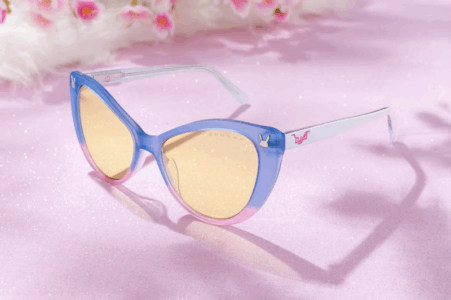
Once you have your prescription and PD, the biggest single saving available to most families is simply buying online. High street pricing carries the cost of premises and commission, and it shows: a frame and lens combination that costs well over £100 in store can often be matched online for a fraction of that.
UK-based retailers such as Glasses2You have been doing this since 2005, using the same lens glazing processes and suppliers as high street opticians. Every frame comes with standard single vision lenses included, delivery within the UK is free, and there’s a 30 day returns window if a pair isn’t right. A virtual try-on tool lets you see frames on your own face before ordering, which solves the biggest worry most people have about buying glasses they’ve never physically held.
For parents, the online price point changes the maths in a useful way. When a decent pair costs less than a family cinema trip, a spare pair in the school bag, a pair for the car, or prescription sunglasses for the summer holiday all stop being luxuries.
Don’t pay for lens extras you won’t use
Whether you buy in store or online, the quickest way to inflate the price of glasses is at the lens upgrade stage. Coatings and add-ons have their place, but not every pair needs every extra.
A sensible rule of thumb: anti-scratch is worth it on children’s glasses (obviously), anti-glare earns its keep if you drive at night or spend all day on screens, and photochromic lenses that darken in sunlight are lovely but rarely essential, especially on a child’s prescription that may change within the year. Think about how each pair will actually be used before ticking boxes.
Love your frames? Reglaze them
If your prescription changes but your frames are still in good nick, you don’t have to start again. Reglazing, where new prescription lenses are fitted into your existing frames, typically costs far less than a complete new pair. Most online glasses retailers offer a postal reglazing service: you send your frames off, and they come back with your new prescription fitted. It’s an especially good option for adults who’ve finally found a frame shape they love and have no intention of giving it up.
Time it right
Finally, a little patience pays. Online retailers run regular promotions, and most offer a meaningful discount on your first order just for joining their mailing list. If a prescription hasn’t changed and the current glasses are holding up, there’s no rule that says you must buy the moment you leave the optician. Take the prescription home, compare, and buy when the price is right.
Between free NHS tests and vouchers for children, your legal right to walk away with your prescription, and online prices that undercut the high street by a wide margin, a family’s annual glasses bill can shrink dramatically without anyone squinting at the whiteboard. The trick is knowing your entitlements before you’re standing at the till.

Monica Costa founded London Mums in September 2006 after her son Diego’s birth together with a group of mothers who felt the need of meeting up regularly to share the challenges and joys of motherhood in metropolitan and multicultural London. London Mums is the FREE and independent peer support group for mums and mumpreneurs based in London https://www.londonmumsmagazine.com and you can connect on Twitter @londonmums
